


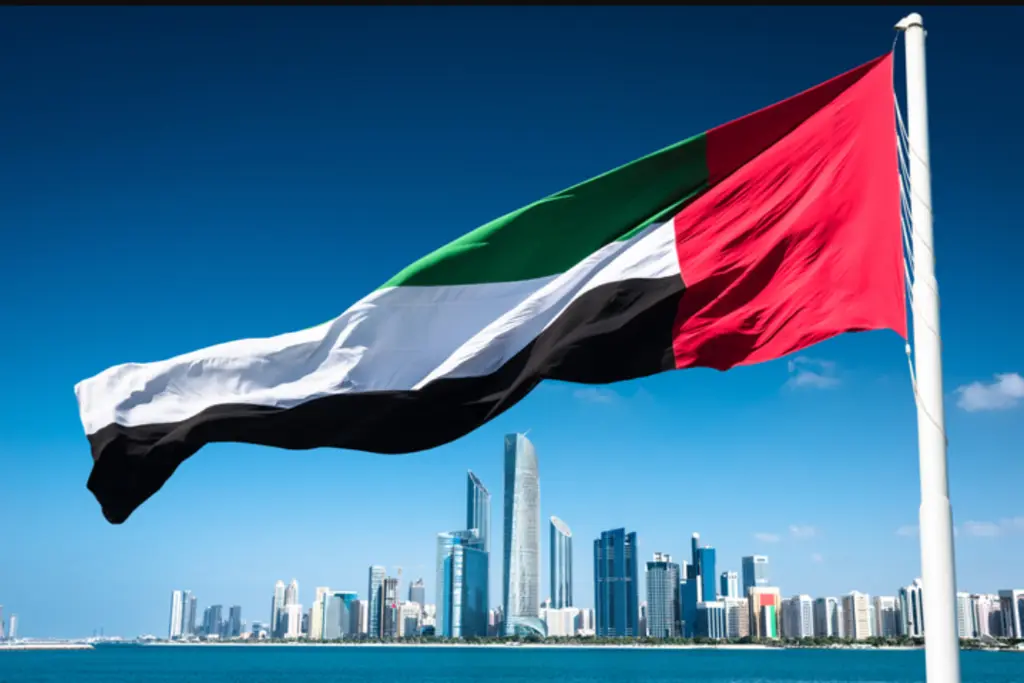
Since becoming president in May 2022, Sheikh Mohamed bin Zayed (MBZ) has been gradually increasing the UAE strategic presence in South Asia. More than high-profile diplomacy, the UAE has been a silent stabilizer in the region- in investment, debt relief and political equilibrium when economies are under pressure. In India, Pakistan, Sri Lanka, Bangladesh and even the Maldives, Abu Dhabi has gone beyond providing the financial backstops to development of the infrastructure and people to people interaction.
Economic Anchor: A Trustworthy Financial Ally
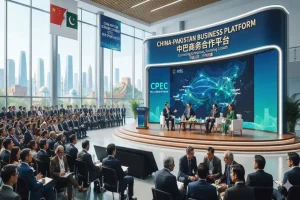
The UAE has put itself in the category of a reliable economic partner in times when the region is experiencing instability. In Pakistan, the UAE has intervened with the central bank deposits, debt relief and funding of energy projects in response to recurrent IMF crisis. As Colombo came out of debt restructuring, Sri Lanka enjoyed Emirati investments in ports, logistics and energy.
Abu Dhabi has used its financial reserves to provide liquidity support and investment even during times of global uncertainty as it plays a stabilizing factor in certain economies where volatility can bring growth to a grinding halt.
Infrastructure Power: linking South Asia to Global Markets
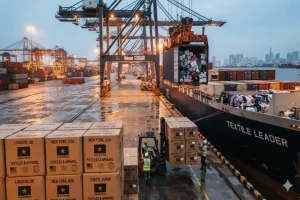
Other than financial assistance, the UAE is very active in terms of investment in infrastructure and trade routes linking south Asia to the global markets. Long term investments in energy, ports and logistics make the region efficient in trade and resilient over time.
India: Tens of billions of dollars of infrastructure, ports, energy, and technology businesses; an omnibus trade agreement in 2022 makes Abu Dhabi a major development ally.
Sri Lanka: The Emirati companies play a central role in the port and logistics services of Colombo to help the country recover economically after restructuring its debts.
Maldives: UAE financing of development enhances the infrastructure projects, which are competing in a subtle way with the Saudi and Indian influences.
Such investments do not just strengthen economic growth but they also make Abu Dhabi a regional base in terms of strategic infrastructure development.
People to people impact: Labor, Remittances, and Stability
The UAE does not just have influence on capital and infrastructure only but also on human capital and social stability. Abu Dhabi promotes the movement of labor, remittances as well as cross-border social relationships by accommodating millions of South Asian workers.
Bangladesh: The UAE continues to be a primary worker destination, which increases the flow of domestic remittance and increases investment in energy and infrastructure.
Pakistan: In addition to supporting the debt, UAE-funded projects create employment and improve energy security, which supports social stability in the long term.
The efforts made to make sure that economic aid is converted into practical gains to communities make the UAE a solid stabilizing force within South Asia.
| Country | UAE’s Strategic Role |
| India | Top foreign investor, strategic growth partner, technology and infrastructure investment |
| Pakistan | Economic stabilizer, debt backstop, central bank support, energy projects |
| Sri Lanka | Recovery partner post-debt restructuring, investments in ports and logistics |
| Bangladesh | Labor corridor, remittance support, future energy investments |
| Maldives | Development financing, political backing, regional influence |
Conclusion: Quiet Influence, Lasting Stability
The South Asian policy of the UAE can be characterized by soft power instead of open intervention. Abu Dhabi has emerged as a stabilizer in one of the most vibrant regions in the world without much noise which is through financial assistance, development of infrastructure and involvement of labor. Through a balance between investment and political activity, the UAE can make sure that the economies and societies of South Asia will continue to be resilient even during the times of economic crises and changes in the geopolitical environment.