




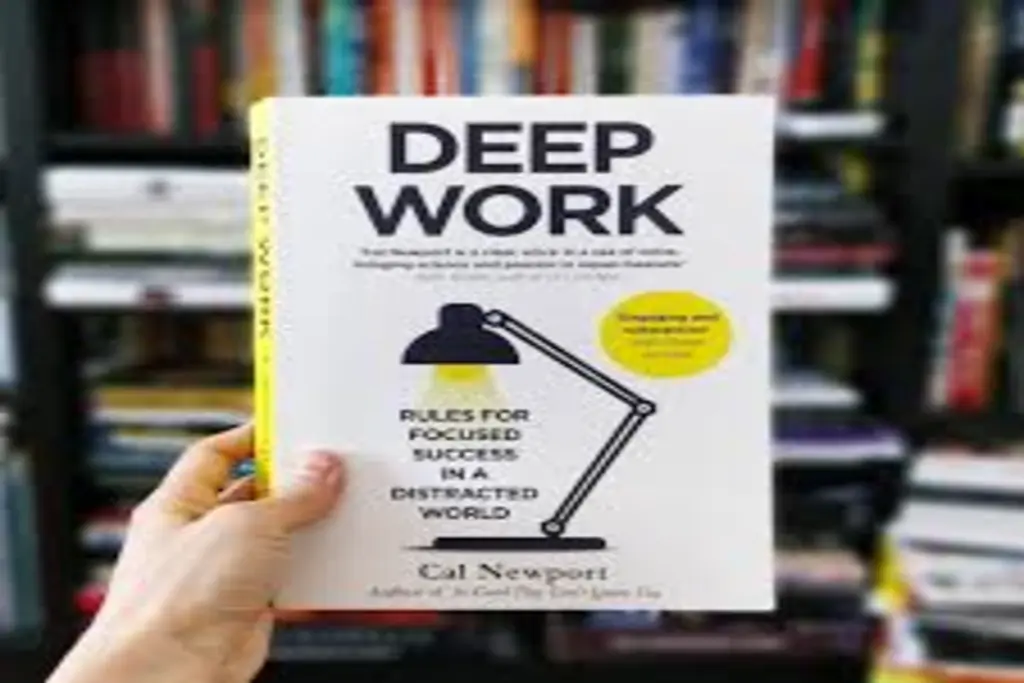
In our current economy, the ability to focus without distraction is becoming increasingly rare—and therefore, increasingly valuable. This concept, coined by professor Cal Newport as Deep Work, is defined as professional activity performed in a state of distraction-free concentration that pushes your cognitive capabilities to their limit.
Most of us spend our days in “shallow work.” We answer emails, attend unnecessary meetings, and slack message colleagues. While these tasks are sometimes necessary, they do not create new value or improve our skills. Deep work, on the other hand, is what allows you to write a book, code a complex algorithm, or solve a difficult engineering problem.
To cultivate this skill, you must first accept that multitasking is a myth. You cannot perform at an elite level while checking your phone every ten minutes. To practice deep work, you need to schedule it. Treat it like a dentist appointment; put it on your calendar and defend that time.
Start small. If you are used to constant distraction, focusing for one hour will feel difficult. Try scheduling 45 minutes of deep work where you disconnect from the internet entirely. Over time, you can extend this to 90-minute or two-hour blocks.
The benefits are twofold: you produce higher quality work in less time, and you gain the ability to learn hard things quickly. In a rapidly changing world, the ability to master new tools and concepts via deep work is the ultimate competitive advantage.