
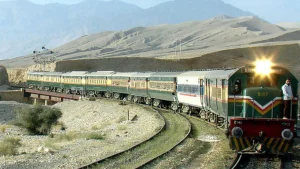




For Muslims residing in Gilgit, the beautiful and mountainous capital of Gilgit-Baltistan, knowing the exact fasting timings during the holy month of Ramadan 2026 (1447 AH) is extremely important.
Gilgit Sehri and Iftar Timings 2026
| Ramadan | Gregorian Date | Sehri Ends | Iftar Time |
| 01 | 19 February | 5:19:17 | 5:53:57 |
| 02 | 20 February | 5:18:11 | 5:54:55 |
| 03 | 21 February | 5:17:04 | 5:55:53 |
| 04 | 22 February | 5:15:56 | 5:56:50 |
| 05 | 23 February | 5:14:46 | 5:57:47 |
| 06 | 24 February | 5:13:35 | 5:58:44 |
| 07 | 25 February | 5:12:23 | 5:59:40 |
| 08 | 26 February | 5:11:10 | 6:00:37 |
| 09 | 27 February | 5:09:56 | 6:01:33 |
| 10 | 28 February | 5:08:41 | 6:02:28 |
| 11 | 01 March | 5:07:03 | 6:03:38 |
| 12 | 02 March | 5:05:45 | 6:04:33 |
| 13 | 03 March | 5:04:27 | 6:05:27 |
| 14 | 04 March | 5:03:07 | 6:06:22 |
| 15 | 05 March | 5:01:46 | 6:07:16 |
| 16 | 06 March | 5:00:25 | 6:08:09 |
| 17 | 07 March | 4:59:02 | 6:09:03 |
| 18 | 08 March | 4:57:39 | 6:09:56 |
| 19 | 09 March | 4:56:15 | 6:10:50 |
| 20 | 10 March | 4:54:50 | 6:11:42 |
| 21 | 11 March | 4:53:24 | 6:12:35 |
| 22 | 12 March | 4:51:57 | 6:13:28 |
| 23 | 13 March | 4:50:30 | 6:14:20 |
| 24 | 14 March | 4:49:02 | 6:15:12 |
| 25 | 15 March | 4:47:33 | 6:16:04 |
| 26 | 16 March | 4:46:04 | 6:16:56 |
| 27 | 17 March | 4:44:34 | 6:17:47 |
| 28 | 18 March | 4:43:03 | 6:18:38 |
| 29 | 19 March | 4:41:32 | 6:19:30 |
| 30 | 20 March | 4:40:00 | 6:20:21 |
What is the impact of mountainous location on Gilgit on the Iftar times?
Gilgit is enclosed in high-lying mountains. This is because very often these peaks obscure the sun long before the true sunset, and it gets dark early. The fast is however never broken before the actual astronomical sunset. Thus, thou should not fast because the sun is no more behind a mountain: do thou certainly keep the hour, according to this calendar, and according to the announcement of thy own mosque.
Is this the schedule in the neighbouring regions in Hunza, Nagar, or Ghizer?
Although this calendar can be totally correct with the city of Gilgit, the variations in latitude and longitude of other areas and valleys within Gilgit-Baltistan (such as Hunza, Nagar or Ghizer) can result in a difference in sunrise and sunset by a few minutes. It is strongly recommended that the residents of these valleys keep time with their respective mosques.
Is this particular schedule applicable to every Islamic school of thought?
The above calendar is prepared based on the pillars of Fiqh Hanafi (Sunni). Why not the fact that Gilgit is the home to numerous schools of thought, the adherents of Fiqh Jafaria (Shia) type of faith are to be aware of the fact that their time of Sehri usually stops several minutes earlier, and that their time of Iftar commences roughly 10 to 12 minutes later than the time listed (when the sky turns red).