



Traveling via public transport in Punjab is getting a major safety and regulatory upgrade. In a landmark move, the provincial government has completely digitized the way commercial vehicles are monitored for passenger safety.
Through the unification of the provincial public transport permit system with the Securities and Exchange Commission of Pakistan (SECP), the government has introduced a completely digitalized public transport insurance checking system.
But what is the mechanics behind this new digital infrastructure and how does it impact on the transport operators and day to day commuters? The following is a breakdown of the new mechanism.
Core Mechanism of Public Transport Insurance Verification System
Previously, checking the insurance of a commercial vehicle was a manual and paper intensive exercise that was likely to delay and allow loopholes. The new system is fully digital and it will do away with the paper work.
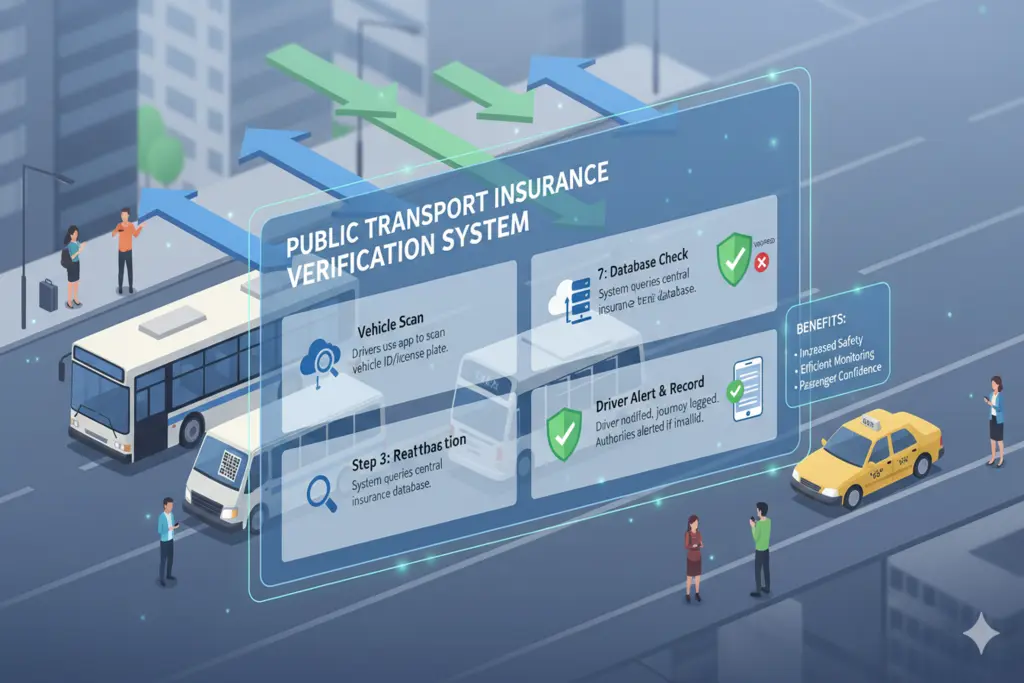
The digital verification works in the following way:
Centralized Data: The SECP maintains a massive digital insurance repository (which currently holds data for about one million insured vehicles nationwide).
System Handshake: The Punjab government’s route permit issuance system is now directly linked to this SECP database.
Automated Cross-Checking: Each time a transport operator uses a new route permit or attempts to renew an existing permit, the provincial system will automatically ping the SECP repository to verify the registration number of the vehicle.
Instant Verification: When the system identifies valid and active 3rd party motor insurance, the permit process proceeds.
If there is no active insurance found in the SECP database, the system automatically blocks the route permit application.
Third-Party Insurance is Now Mandatory
The most significant policy shift tied to this new system is that third-party motor insurance is no longer optional. It has been made strictly mandatory for every single public transport vehicle operating within Punjab.
Because the issuance and renewal of route permits are strictly tied to this digital verification, transporters simply cannot legally operate their buses, vans, or coasters on provincial routes without actively paying for passenger insurance coverage.
Financial Protection and the “No-Fault” Model
Why go through all this effort to digitize insurance verification? It all comes down to the safety and financial security of the public.
The main objective, according to the authorities such as Dr. Kabir Sidhu, is to save passengers, drivers, and innocent people who are involved in road accidents. Authentic third-party insurance is the one that guarantees the victims to get the money on time in case of a crash.
Furthermore, officials are pushing for federal legal reforms to introduce a no-fault compensation model. Under this proposed model, the insurance system would ensure that accident victims receive their financial compensation immediately, regardless of which driver was actually at fault for the crash. This eliminates lengthy legal battles and provides instant relief to those injured.
Future Challenges: Expanding the Coverage
While the digital system is a massive leap forward, authorities acknowledge there is still work to do. Currently, the SECP repository holds data for about one million vehicles, but the overall insurance coverage across the country remains quite low compared to the actual number of vehicles on the road.
Moving forward, the government is taking urgent steps to expand this digital verification and insurance coverage on a nationwide scale.
What is the new public transport insurance verification system in Punjab?
It is a fully digital system that links the Punjab government’s public transport route permit system directly with the SECP’s insurance database to automatically verify a vehicle’s insurance status.
Is third-party insurance mandatory for public transport in Punjab?
Yes. Under the new digital system, third-party motor insurance has been made strictly mandatory for all public transport vehicles operating in the province.
Can a transporter get a route permit without insurance?
No. The digital system blocks the issuance or renewal of any route permit if the SECP repository does not show active, valid third-party insurance for that specific vehicle.
What is the “no-fault” compensation model being proposed?
It is a proposed legal reform where accident victims would receive timely financial compensation from the insurance system regardless of who was at fault for the accident, ensuring quick relief without long legal disputes.
READ : More Informative News