



In Pakistan, purchasing a second-hand car is a considerable financial investment. Most will only consider the base price agreed with the seller or showroom owner which, of course, is the first cost and they don’t realize that this is not the final cost. There are a number of unavoidable extra costs, however, for legally changing ownership of that vehicle and legally driving it on public roads. If you don’t plan for these costs, you may completely throw off your purchasing budget.
Before purchasing a used car in Pakistan, you should know how to calculate on-road costs and excise taxes to make sure you have the necessary capital.
What Constitutes the Total On-Road Cost?
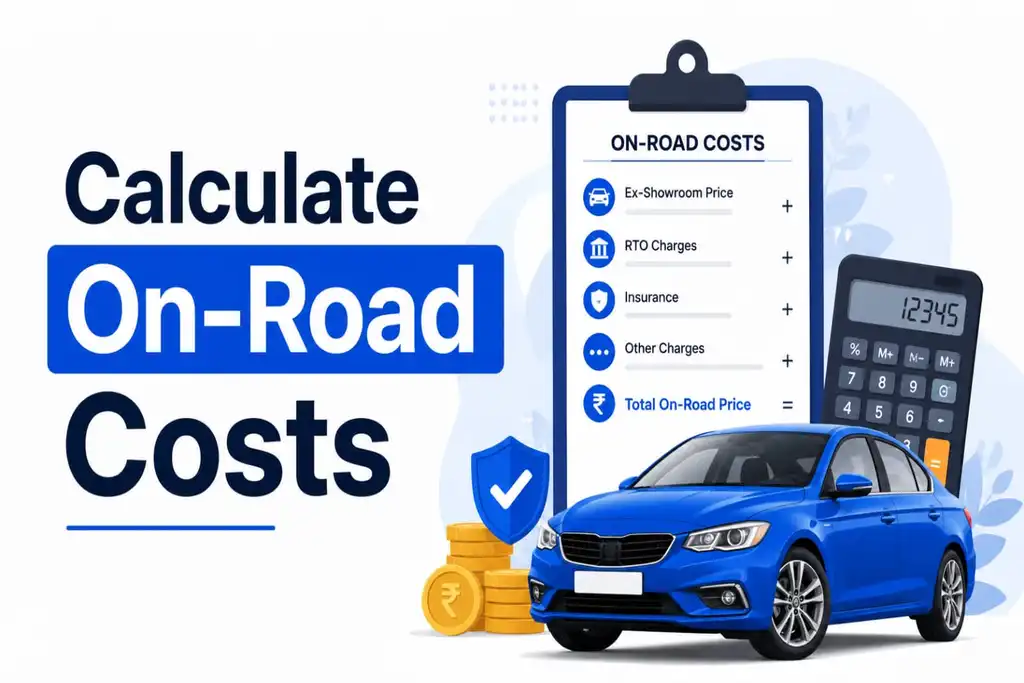
The “On-Road Cost” of a vehicle refers to the total amount spent from the moment of purchase until the vehicle becomes legally compliant to drive on the road. For a used vehicle, this sum includes:
Government Ownership Transfer Fee
Withholding Tax (WHT) / Advance Income Tax
Arrears or Annual Token Tax
Smart Card and Number Plate Issuance Charges
Vehicle Insurance and Periodic Fitness Testing (Optional/Recommended)
Summing up these legal and administrative fees with the vehicle’s retail price gives you the actual expenditure required to hit the road.
Breaking Down Excise Taxes and Transfer Fees
Excise and Taxation Department and Narcotics Control Department of respective provinces (Punjab, Sindh, Khyber Pakhtunkhwa and Balochistan) are responsible for regulating taxes for vehicles on the basis of two main parameters which are engine capacity (CC) of the vehicle and the tax-filing status of the buyer.
1. Ownership Transfer Fee
To legally move the registration from the seller’s name to yours, a fixed transfer fee must be paid to the provincial excise office.
Under 1000cc: The transfer fee generally ranges between Rs. 2,000 and Rs. 5,000.
1000cc to 1800cc: The fee spans from Rs. 5,000 to Rs. 15,000 depending on the exact engine capacity.
Above 1800cc (Luxury Vehicles): The transfer fee increases significantly for high-end luxury sedans and SUVs.
2. Withholding Tax (WHT) / Advance Income Tax
The Government of Pakistan heavily penalizes non-compliant taxpayers. The Federal Board of Revenue (FBR) sets distinct tax slabs for Active Taxpayers (Filers) and Non-Active Taxpayers (Non-Filers). If you are a Non-Filer, your advance income tax during a vehicle transfer can be two to three times higher than what a Filer pays. For example, transferring a 1300cc car may cost a Filer a nominal amount, whereas a Non-Filer could be charged tens of thousands of rupees. Always check your FBR active status before initiating a purchase.
3. Annual Token Tax Arrears
When purchasing a used car, it is vital to audit the previous owner’s tax history. If the token tax is not paid up to the current fiscal year or is not “Lifetime Paid” (standard for vehicles under 1000cc in certain provinces), the new buyer must clear all remaining balance dues and fine penalties before the vehicle can be transferred.
Using Online Excise Calculators for Instant Estimates
Manually computing provincial vehicle taxes can get complicated due to changing fiscal policies. Fortunately, provincial governments offer reliable digital portals to calculate these costs instantly:
Punjab: Use the “MTMIS Punjab” official website or download the “e-Pay Punjab” mobile application. Entering the vehicle’s registration number allows you to verify the owner’s details, check tax dues, and use the built-in “Tax Calculator” to see exact transfer expenses.
Sindh: Visit the official portal of the Excise, Taxation & Narcotics Control Department Sindh. Use the “Vehicle Verification” and fee calculator utilities to assess pending liabilities.
Islamabad (ICT): Residents can utilize the “City App Islamabad” or the Islamabad Excise website to fetch live tax and registration records.
Crucial Tips to Avoid Financial Scams
Biometric Verification: Pakistan has fully digitized vehicle transactions. A transfer cannot proceed without the biometric thumb impression of the seller. Ensure the seller is physically available or has a valid, active biometric verification slip.
Document Authentication: Physically check the original registration book, Smart Card, and the complete registration file (if it is an open-file vehicle) against the online excise database.
Token Tax Receipts: Request the original physical paper tokens and bank stamps of previous years to ensure no unpaid challans are pending against the chassis number.