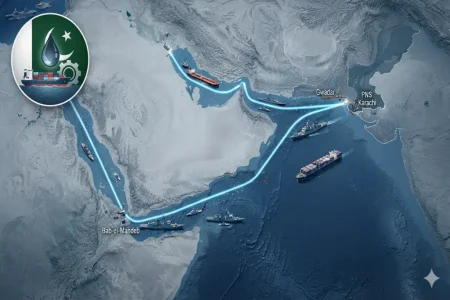



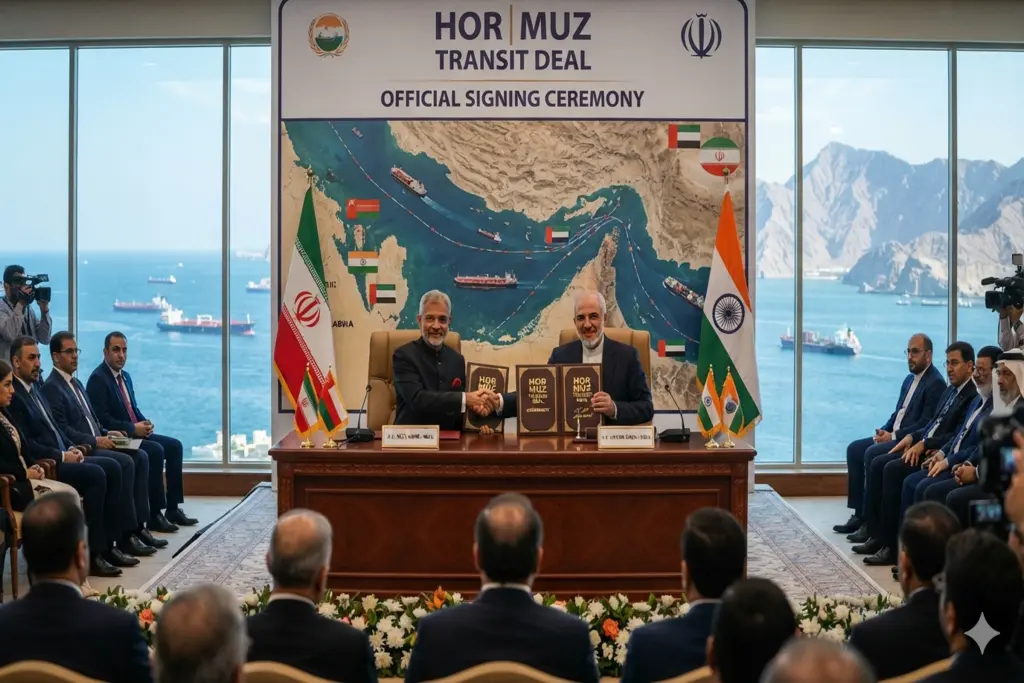
Iran has confirmed it reached a transit understanding with Oman covering the Strait of Hormuz, but Tehran has made one thing very clear: nothing moves forward until the United States keeps its promises. For Pakistan, a country that ships most of its crude oil and LNG through this exact stretch of water, this isn’t a distant Middle East story. It’s a supply chain concern sitting right at our doorstep.
What Iran and Oman Have Actually Agreed
Iran’s Deputy Foreign Minister, Kazem Gharibabadi, said the understanding will not automatically enter the implementation stage. Implementing this understanding requires the other side, particularly the US, to fulfil its commitments, and only then will Iran take its own measures in return.
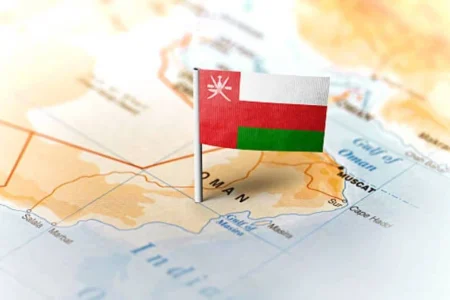
The two sides had already worked out the practical side of things too. Iran and Oman agreed on the coordinates of routes to be taken by vessels through the waterway, with inbound ships passing through a northern lane inside Iranian territorial waters. But Iran’s navy left no doubt about who is watching the strait closely. The Strait of Hormuz remains closed, and if any vessel passes through this route, it will be with the coordination and authorization of the Islamic Republic of Iran.
Why the US Commitment Is the Real Sticking Point
This entire standoff goes back to an earlier ceasefire understanding. Iran said the waterway will not fully reopen until the United States fulfils its commitments under an interim peace deal signed in June, a deal that has since lapsed. Gharibabadi added that the US must follow through, including sanctions relief and the release of frozen Iranian funds, before talks can move forward again.
Why This Should Matter to Pakistan
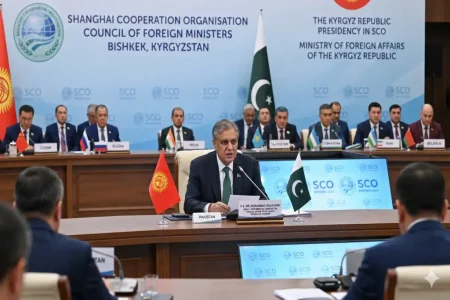
Pakistan’s fuel security is closely linked to how calm or chaotic the Gulf shipping lanes remain. A blocked or slow Hormuz means higher freight charges, pricier insurance for tankers, and eventually a heavier bill at the petrol pump for ordinary people. Notably, Gharibabadi mentioned that Iran’s contacts with Qatar and Pakistan came in light of their roles as mediators, meaning Islamabad already has some influence in how this plays out.
Quick Points Worth Watching
- Keep an eye on OGRA updates regarding fuel supply contingency plans.
- Businesses dependent on imports should review shipping and insurance options early.
- Watch State Bank of Pakistan statements if oil price swings start pressuring the rupee.
Conclusion
Until Washington acts, the Hormuz corridor stays a diplomatic waiting game, and Pakistan cannot afford to wait passively while it unfolds. Staying alert now is far cheaper than reacting to a fuel price shock later.