
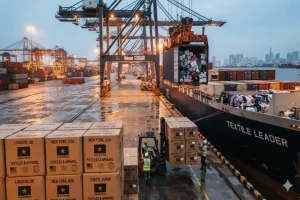



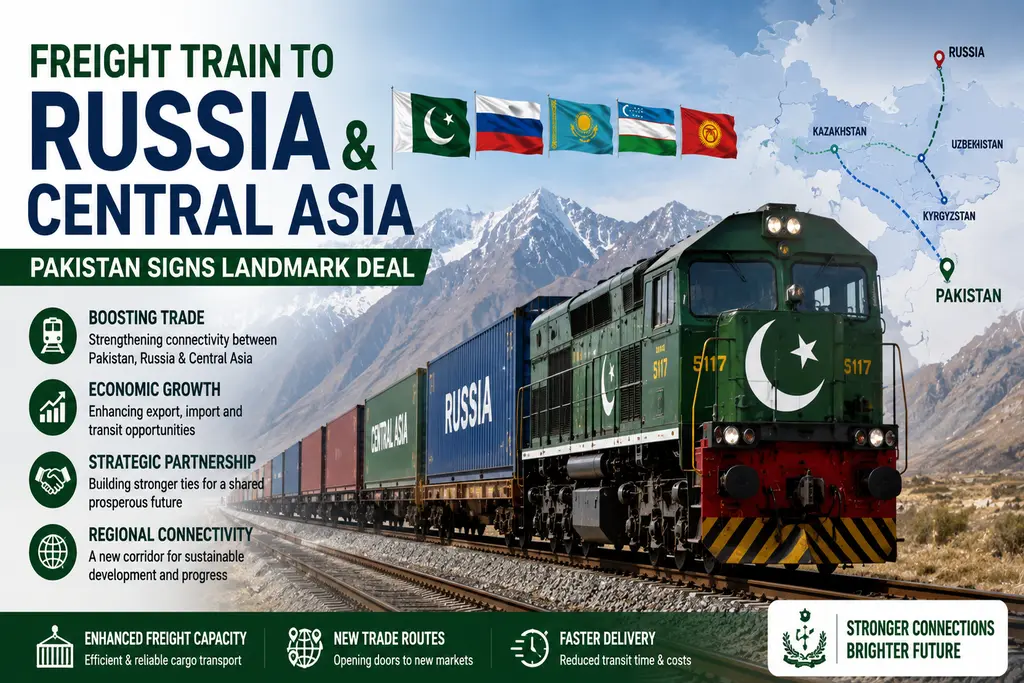
In a monumental stride toward bolstering regional connectivity and diversifying international trade, Pakistan has unlocked a historic diplomatic and logistical gateway. Pakistan Railways has officially signed a comprehensive “Freight Forwarding Contract” with Russia’s leading state-backed logistics giant, RZD Logistics. This strategic agreement sets up the regulatory and operational framework to operate a specialized pilot containerized freight train to Russia and Central Asia. The transit project is being hailed as a major milestone that will provide Pakistani exporters with direct, fast-tracked, and low-cost land routes into the lucrative markets of Eurasia.
The Signing Ceremony and Pilot Multi-Modal Framework
At the high level signing ceremony, held in Islamabad, the Executive officials of Pakistan Railways and Russian Railway Logistics delegation participated. This trans-border multi-modal initiative is meant to overcome the logistical obstacles for a pilot container train that will cross Pakistan, Iran, Turkmenistan and Kazakhstan to end up in the key trading areas of Russia.
While certain geo-political complexities and border management protocols along the route require final fine-tuning, both railway networks are maintaining active communication. Field trials and the official launch of the pilot container service are slated to commence as soon as ground clearances and transshipment regulations are synchronized across the transit nations.
Pakistan Railways has signed a Freight Forwarding Contract with Russian Railways Logistics (RZD Logistics) to strengthen international freight transportation and multimodal logistics cooperation. Both sides have also agreed to launch a pilot container freight train to improve… pic.twitter.com/cAsBv80tBx
— Fetch Pakistan (@FetchPakistan) September 2, 2026
The 8,000-Kilometer Corridor: Faster and Cheaper Trade
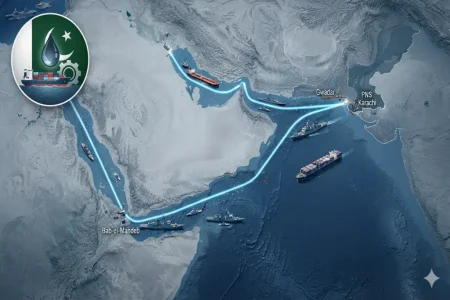
It is a mega international rail corridor, which runs along the eastern route of the International North-South Transport Corridor (INSTC) at a length of approximately 8,000 km. The industry supply chain analysts predict that the land-based option has huge structural benefits over the traditional maritime shipping lines:
Drastic time reduction: The rail route will allow shipments to reach Moscow in 20-25 days, cutting shipping time by almost half from conventional sea routes.
Cost-Efficient Freights: In the first pilot tests, the freight cost per container is expected to be much lower than ocean freight charges, which gives a competitive advantage to the local traders.
Technical Synchronization: The adjacent rail networks of Turkmenistan, Kazakhstan and Russia are based on the same type of broad gauge tracks, facilitating the seamless transport of goods between these countries, while minimizing the need for regular track gauge changes.
Ushering in a New Era of Pakistan-Russia Import and Export
The bilateral trade between Islamabad and Moscow can be exponentially increased with the operationalisation of the freight train to Russia and Central Asia. Pakistan would like to make use of this land route to export high demand commodities like leather goods, surgical instruments, textiles, and premium rice, citrus fruits and mangoes among perishables agricultural products.
In exchange, Pakistan will be able to safely import gigantic amounts of industrial raw material such as economic wheat, fertilisers, scrap steel, petroleum derivatives, chemical compounds and similar things from Russia through the rail route. The project for the connectivity creates a major hub in Pakistan, where the deep-sea trade will be going through seamlessly with the infrastructure projects of China-Pakistan Economic Corridor (CPEC) to make it central to the trade in Central Asia.

2 Comments
Pingback: Official Clarification Issued Under Nigar Johar KP Sehat Card Probe Fact Check Review
Pingback: CM Deploys Fleet via Punjab Mobile Health Units Industrial Workers Initiative