



The first-ever consensus UN General Assembly (UNGA) resolution on Access to Assistive Technology has been passed. The framework is a historic example of collaboration and is authored and led by Pakistan, it is the first step in a new approach to addressing the needs of persons with disabilities, the aging population worldwide, and persons living with chronic health conditions. Its widespread application reflects Pakistan’s growing presence in multilateral diplomacy and its dedication to fostering social inclusion and human rights globally.
Positioning Assistive Tech in the Global Development Agenda
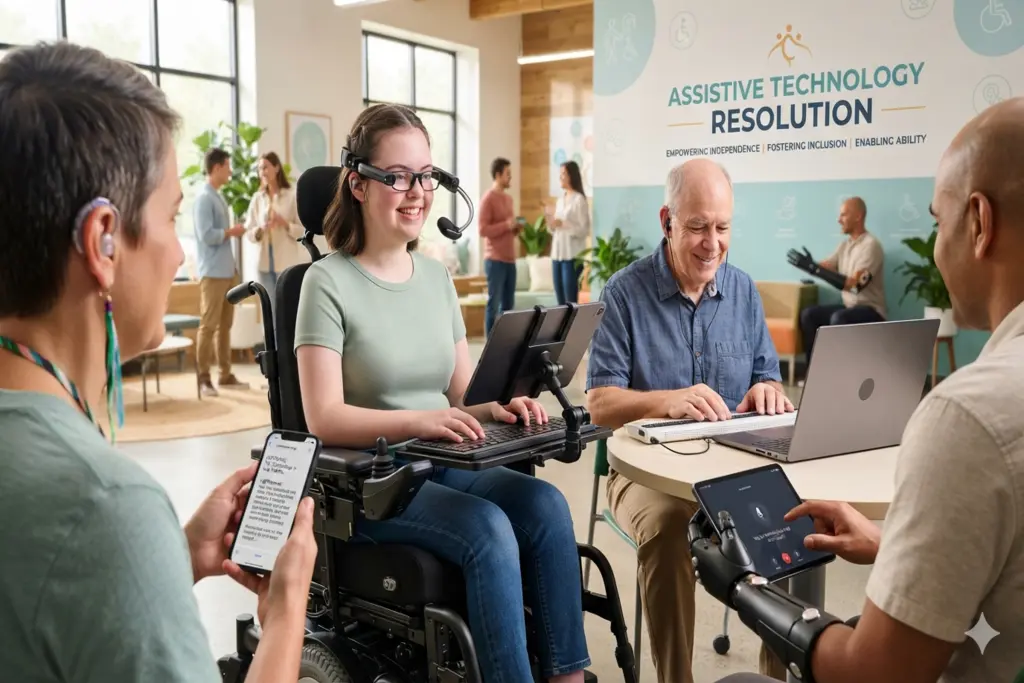
Introducing the milestone text before the world body for official adoption, Pakistan’s Permanent Representative to the United Nations, Ambassador Asim Iftikhar Ahmad, delivered a compelling address. He emphasized that the Access to Assistive Technology resolution fundamentally integrates bodily and cognitive aid such as wheelchairs, hearing aids, prosthetics, prostheses, and specialized software directly into the broader international development and human inclusion landscape.
The Ambassador noted that these basic instruments are not only health logistics, but also a key element of human rights. Access to affordable services can directly affect an individual’s capacity to attend school, find good work, improve physical health, access the national social protection system and enjoy a dignified, active role in daily civil society.
The United Nations General Assembly has adopted by consensus a Pakistan-led first-ever resolution on “Access to Assistive Technology"@PakistanUN_NY @PakistanPR_UN @Asimiahmad @PakinUSA #PakistanAtUN #RadioPakistan #news https://t.co/iOBBh3fFYI pic.twitter.com/fVOSKmHmXN
— Radio Pakistan (@RadioPakistan) September 3, 2026
Strategic Mandates Established by the New Resolution
The Pakistan-led resolution establishes a comprehensive set of action items and policy recommendations, urging all UN member states to overhaul their institutional approaches to inclusive health.
The primary pillars of the adopted framework include:
Sustainable & Affordable Access: Calling upon governments to design supply chains that guarantee sustainable access to high-quality, low-cost assistive products.
National Strategic Priority Lists: Encouraging countries to formulate localized national strategies and draw up “priority assistive-products lists” to streamline procurement.
Research and Innovation: Promoting aggressive scientific research, public-private innovations, stronger demographic data tracking, and modern, transparent state procurement systems.
Meaningful Consumer Participation: Heavily emphasizing that policy decisions must include the meaningful, active participation of the very individuals who utilize and benefit from these assistive technologies.
A Major Diplomatic Win for Pakistan’s Global Stature
The consensus passing of this resolution by the UN is considered a big success of Pakistan’s foreign policy and its presence in the multilateral world. Pakistan has been a leader on the issue which directly affects more than 2.5 billion people around the world who need assistive products to be developed collaboratively and human centric.
The signing of the adoption reaffirms Pakistan’s reputation as a pragmatic and progressive leader with the ability to forge consensus among nations on some of the world’s most pressing socio-economic issues at the UN. Moving forward, the resolution provides a structural template for developing nations to enact domestic laws, ensuring that the most vulnerable segments of society are never left behind in the digital and physical evolution of the modern world.