

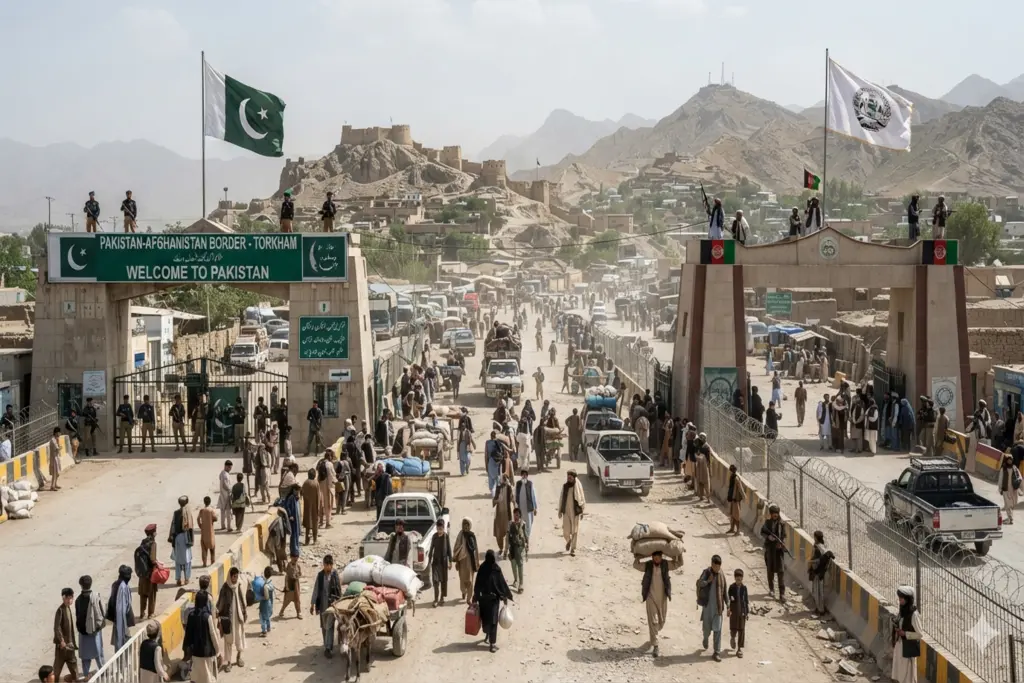
Pakistan-Afghanistan ties are back in the news, and honestly, not for a good reason. Islamabad’s Foreign Office sat down for a briefing this week and said something that many Pakistanis have been thinking for a long time: talks with Kabul can’t move forward until the Afghan side actually stops militants from using its land against Pakistan. There’s no real dialogue with Kabul possible on empty promises. If you live in a border district in Khyber Pakhtunkhwa or Balochistan, this isn’t some far-off political matter. It shapes whether markets stay open, whether trucks can cross, and whether families feel safe at night.
Why the Foreign Office Is Taking a Firm Stand
The past few years have been hard on Pakistan’s border regions. TTP fighters have carried out one attack after another on soldiers and civilians, and in many cases, they’ve slipped back across into Afghan territory when things get too hot. That’s the part that frustrates Pakistani officials the most. China has been quietly working to bring both countries back to the table, something people are calling the Urumqi process, but the Foreign Office made it clear that goodwill gestures aren’t enough anymore.
Just a day before this briefing, ISPR shared an update on border security operations, saying several militants trying to sneak into Pakistan had been stopped near the frontier. So while diplomats talk about cooperation in air-conditioned rooms, soldiers on the ground are still dealing with infiltration attempts almost weekly. That gap between the diplomatic tone and the reality at the border is exactly what’s fueling Pakistan’s tougher stance right now.
What Pakistan Wants From Kabul
It isn’t complicated, really. Pakistan has said the same thing, over and over, for months:
- Written, checkable assurance that Afghan land won’t be used to launch attacks on Pakistan
- Actual crackdowns on TTP fighters, not just moving a few families further from the border
- Stronger border management from the Afghan side, not just talk
- Honesty when attacks are traced back to Afghan soil, instead of denial
The Taliban government has made a few small moves, like relocating some TTP families away from the frontier. But most Pakistani officials see this as more of a PR gesture than a real solution. Attacks haven’t stopped, and that’s the part that matters most.
What This Means for Common Pakistanis
Ask any trader in Peshawar, Quetta, or Chaman what shaky ties with Kabul feel like, and they’ll tell you: delayed shipments, closed crossings, and money lost every time the border shuts down without warning. For families living close to the frontier, it’s a different kind of cost. It’s the constant background worry of not knowing what tomorrow looks like. And on a bigger scale, this uncertainty makes foreign investors nervous too, at a time when Pakistan really needs their confidence to fix the economy.
A Practical Way Forward
- Keep supporting outside mediation efforts, like the one China has been pushing
- Don’t let border vigilance slip, even during quiet periods
- Insist on written commitments instead of verbal reassurances
- Keep the public informed honestly, so people know what’s actually happening at the border
Conclusion
At the end of the day, Pakistan-Afghanistan ties won’t improve just because both sides sit at the same table. They’ll improve when Kabul’s actions finally match its words. Islamabad has been clear about that, dialogue is on the table, but not at the cost of ignoring ongoing attacks. Whether the coming months bring real cooperation or more of the same tension is really up to Kabul now.