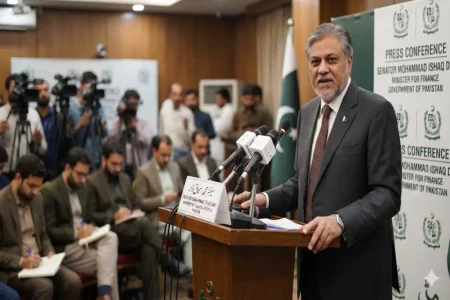


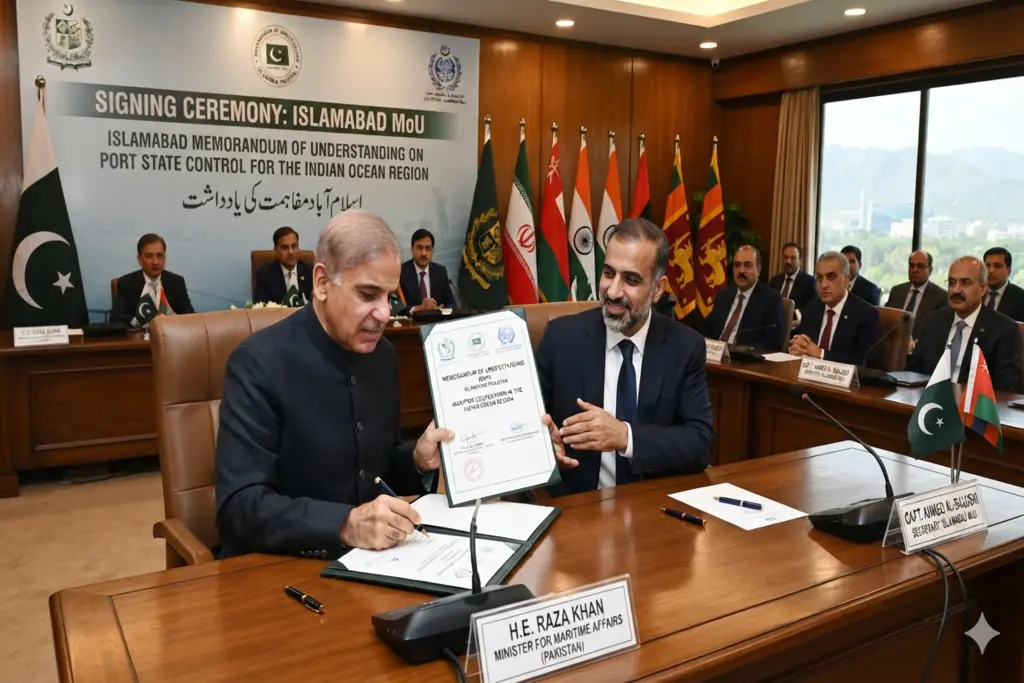
This week, Pakistan’s diplomacy was in the spotlight as Deputy PM Ishaq Dar joined the foreign ministers of Turkiye, Saudi Arabia and Egypt at the UN General Assembly in New York. They also emphasised the necessity of safeguarding the Islamabad MoU, a regional understanding to de-escalate tensions in the Middle East.
What Is the R-4 Group?
The R-4 group is a group formed by Pakistan, Turkiye, Saudi Arabia and Egypt in March 2026. It was designed to act as a go-between for the US and Iran in a time of increasing strife.
•Regional security cooperation emphasis.
•Calls on both Washington and Tehran to remain in talks.
•Debates on the sidelines of major international forums such as the UNGA.
The significance of the Islamabad MoU for Pakistan
The Islamabad MoU signals Pakistan’s increasing role as a peace facilitator rather than a mere observer of regional conflicts. For the average Pakistani this is important because:
•Gulf remittances, trade routes, and fuel prices are directly impacted by regional stability.
•A more stable Iran-US relationship reduces energy supply risk.
•Pakistan’s diplomatic stature can help in attracting investment and easier visa or trade terms with Gulf partners.
Pakistan’s Broader Diplomatic Drive
PM Shehbaz Sharif and Dar also separately held talks with leaders of Somalia, Kenya, Austria and Kuwait. Interior Minister Mohsin Naqvi had visited Tehran days earlier and met with Iranian President Masoud Pezeshkian to keep the communication channels open.
UN Secretary-General António Guterres’ office publicly praised Pakistan’s role, calling it “critical” in efforts to prevent a wider war.
Checklist: What it Means for the Average Pakistani
•Gulf and Iranian stability affects supply – keep an eye on fuel and LPG prices.
•Follow the Foreign Office’s pronouncements on Gulf labour and remittance policies.
•The Pakistan Stock Exchange moved on news of peace in the region.
•Get your information from official channels not social media rumours.
Conclusion
With the Islamabad MoU and the R-4 platform, Pakistan has moved from a position of reacting to regional crises to one of actively shaping outcomes. For citizens wrestling with everyday issues like inflation and job security, this diplomacy’s ability to keep the peace in the region could mean steadier prices and safer trade routes.