




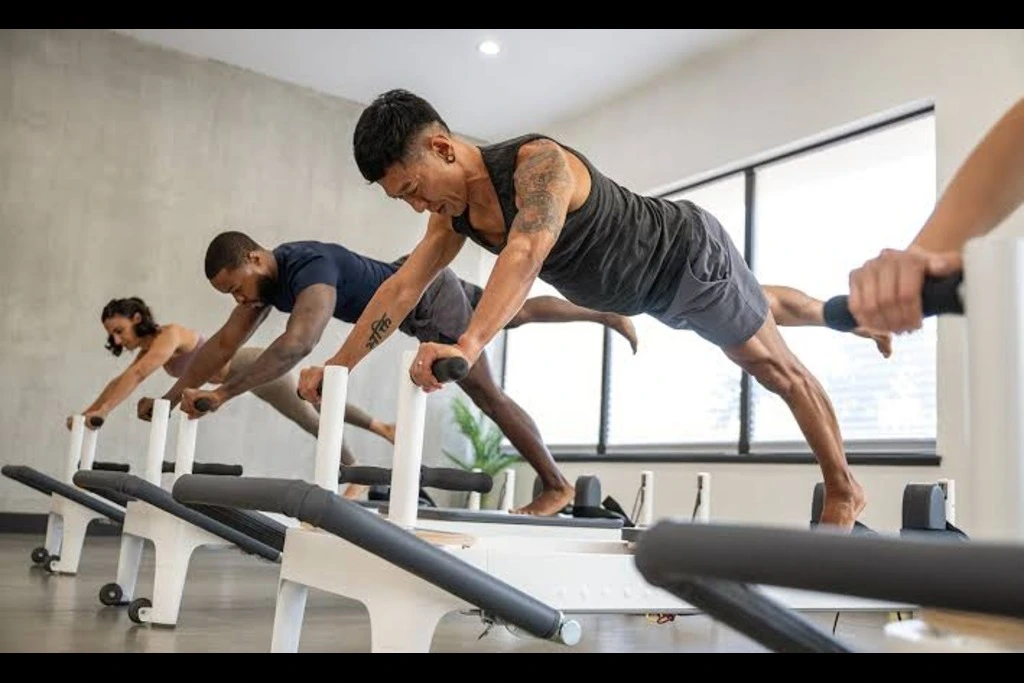
Pilates is often shown as a polished studio workout, but its value goes beyond stretches and sculpted poses. It is a method of controlled movement that builds strength, balance and body awareness through steady motion and focused breathing. For anyone exploring Pilates for core strength and rehabilitation, the question is simple: what can it really do?
What Pilates actually works
Pilates may be performed on a mat or on equipment like the moving platform, which has spring resistance. The two forms are all about control, alignment and breathing, not speed. The exercises engage muscles in the abdomen, back, hips and around the pelvis. These areas combine to create the core (core 2), which serves as the foundation of the spine and stability while moving throughout the day.
This is why Pilates can’t just be an “abs workout”. It helps the body to move with control. Practicing regularly can help to strengthen the core, gain balance, become more flexible and have better posture, but depending on the person and how often they practice.
Can Pilates help with pain and rehab?
There is some encouraging, although limited, research to support this. A 2024 systematic review included 36 studies, including 19 in a meta-analysis. It determined that Pilates was at least as efficient as no exercise for alleviating lower back pain, and had a similar beneficial effect to general exercise.
In another study, eight randomised trials were reviewed, and there was emerging evidence that Pilates can help to strengthen the core muscles of individuals with chronic low back pain. This does not mean that Pilates is to be considered a recovery plan as opposed to a cure for any injury.
The NHS states that there is a need for more research, although evidence suggests that Pilates could be useful for lower-back pain. It recommends that people with an injury, health problem, pregnancy or recent surgery seek expert advice before beginning. If an exercise causes pain or illness, STOP.
What real results look like
Progress can be gradual rather than sensational – for example, more control, better balance, more confidence when bending and lifting. Pilates is in control, but not all exercises work for all bodies. Modification of movements can be done by a trained instructor or physiotherapist to suit an individual’s needs.
Pilates is not a primarily aerobic workout, so it should be combined with walking or cycling. British Heart Foundation recommends 150 minutes of moderate exercise per week. Pilates can be used to support general fitness; however, it is not guaranteed to be a quick weight reduction fix. Consistent performance yields consistent output – consistent technique and realistic aspirations.
Pilates is not magic. Its strength lies in teaching people to move with control, support the spine and build strength over time. For pain or injury, seek a professional assessment; for everyone else, begin at the right level and let consistency, not hype, shape the results.