
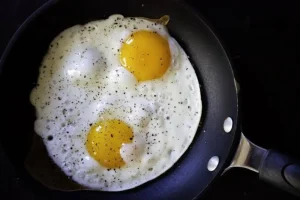


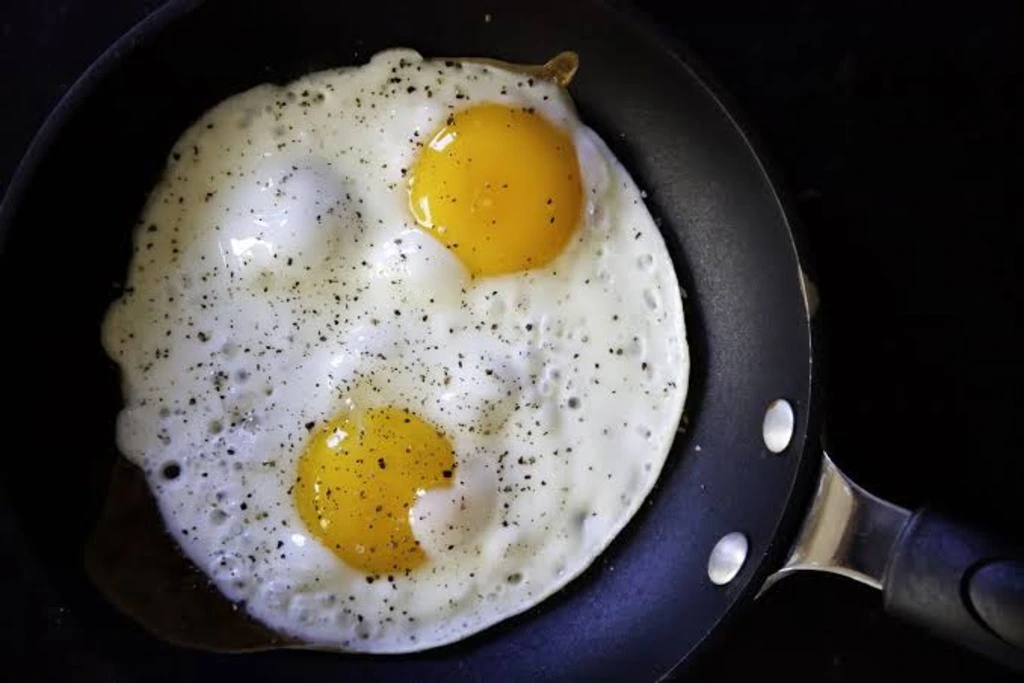
A high cholesterol report can make breakfast confusing. Eggs are often the first food people drop, but the link between eggs and high cholesterol is not so simple. The yolk contains dietary cholesterol, yet its effect depends on a person’s health, overall diet and meal choices. So, should you give up eggs completely? Not necessarily.
What Is Inside an Egg?
That’s about 186 milligrams (mg) of cholesterol in a large egg, of which nearly all of it is found in the yolk. Egg whites are a protein source that has no cholesterol. Eggs are also a source of vitamin B12 and vitamin D. They may be utilized in a balanced diet, but the correct quantity varies among individuals.
For the majority of healthy humans, consuming up to seven eggs weekly isn’t associated with an increased risk of heart disease. This general advice, however, does not apply to persons with high LDL, diabetes or a disease that leads to extremely high cholesterol levels.
The Bigger Concern May Be What Comes With Eggs
There are other factors that influence cholesterol in the blood besides the food we eat. Saturated fat has the ability to increase LDL, or “bad” cholesterol. Examples include butter, ghee, fatty meat, bacon, sausages and full-fat dairy products.
Bacon, butter and a fried egg are not the same as a poached or boiled egg with whole-grain toast and vegetables. Excessive use of butter or ghee in cooking may also contribute to the meal being high in saturated fats. Heart-health tips are about the overall eating pattern: more vegetables, fruits, whole grains, nuts, seeds and healthier fats, and less saturated fat.
What Should People With High Cholesterol Do?
However, there is no one universal egg limit that is appropriate for everyone who has high cholesterol. Those who have high LDL, diabetes and familial hypercholesterolaemia may need to pay extra attention to their dietary cholesterol. Which one is best will be based on blood test results as well as other health risks and overall diet. A limit can be determined by a doctor or registered dietitian.
You could try cutting down on whole eggs and using egg whites as a protein supplement that’s not high in cholesterol. Opt for boiled or poached eggs, minimal oil and eat them with foods rich in fibre. Do not just pick on one item of saturated fat- look at other foods as well.
A high cholesterol diagnosis does not automatically mean eggs must disappear from your plate. But it is a reason to review portions, cooking methods and the full meal. Keep track of your LDL levels and follow your clinician’s advice. The aim is not to fear eggs; it is to build a heart-healthy eating pattern that works for you.