



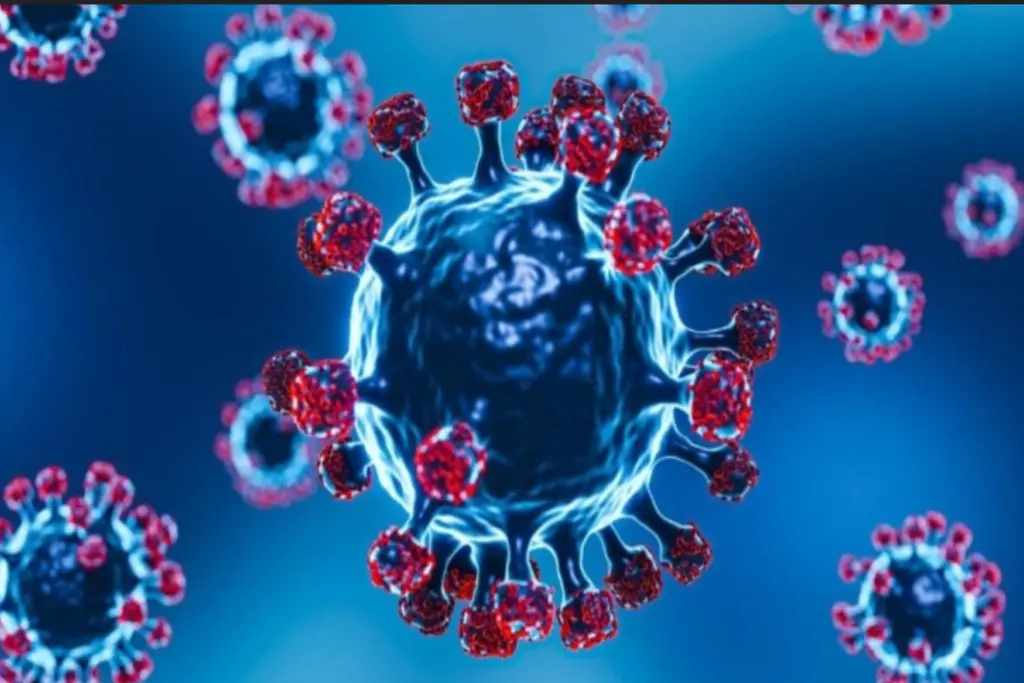
It is quite natural to be a little bit fatigued or worried about the pandemic, in case you have been reading headlines about a new strain of COVID-19 that is called the Cicada variant. But, there is always nothing to panic about.
The unofficial name assigned by scientists to a new variant of BA.3.2 that has been tracked is merely Cicada.
Why is it called Cicada?
In November 2024, the BA.3.2 variant was first detected in South Africa. It mostly disappeared in world genomic databases in subsequent months after this first identification, apparently entering a dormant state. By the time it started resurfacing in international surveillance and wastewater testing in late 2025 and the first part of 2026, scientists dubbed it Cicada. The name was in order to indicate how its manner was a reflection of the insect that lies down to the ground until it suddenly comes up in immense numbers.
Key Characteristics of Cicada COVID-19 Variant BA.3.2
High rate of mutation: It is the genetic composition that attracts the attention of scientists to the Cicada variant. It contains a very high count of mutations- about 70 to 75 mutations- that are located mostly in the spike protein of the virus.
Dissemination on a global scale: BA.3.2 was reported in over 20 countries at the start of 2026, including the United States, United Kingdom, Japan, Germany, and the Netherlands.
Status: It is currently considered by the World Health Organization (WHO) as a Variant Under Monitoring. It is not considered a high risk Variant of Concern, and in spite of the fact that the spread is rising, it is not the mainstream strain in the world as yet.
Cicada COVID-19 Variant Symptoms and Severity
The Cicada variant has symptoms that are quite similar to the common COVID-19 infections. Common signs include:
Fever and fatigue
Congestion and cough
Muscle aches and headaches
Severe Sore Throat: Some patients who get infected with BA.3.2 complain of a very sharp sore throat that is often called a razorblade.
Is it more dangerous? There is no current clinical information available to imply that the Cicada variant causes more severe disease, greater hospitalization, and mortality rate than the variants we have been experiencing over the recent past. Most of the cases which are registered are mild to moderate.
Cicada COVID-19 Variant Vaccines and Immunity
Due to the high mutations in its spike protein, the portion of the virus that facilitates its entry into human cells and which is the major target of current vaccines, BA.3.2 does exhibit evidence of “immune escape. This implies that the variant may partially be more effective in causing breakthrough infections, even in people who have recently had COVID-19 or are vaccinated.
What is the “Cicada” COVID-19 variant?
“Cicada” is the unofficial nickname given to the BA.3.2 variant of SARS-CoV-2. It earned this name because it went undetected in global databases for several months before suddenly resurfacing, much like the insect it is named after.
What are the symptoms of the Cicada variant?
The symptoms closely mirror standard COVID-19 infections, including fever, fatigue, congestion, and muscle aches. However, many patients infected with BA.3.2 report experiencing a particularly severe, intense sore throat.
Is the BA.3.2 Cicada variant more dangerous?
At this time, there is no clinical evidence to suggest that the Cicada variant causes more severe illness, higher hospitalization rates, or increased mortality compared to recently circulating strains. It is currently classified as a “Variant Under Monitoring” by the WHO.
Do current vaccines work against the Cicada variant?
While the variant has a high number of mutations that allow for some “immune escape”—meaning mild breakthrough infections are possible—health experts confirm that current vaccines still provide critical protection against severe disease and hospitalization.
READ : More Informative News