



When paying online or with a card, you have frequently been requested to provide a CVC. Numerous individuals read this code and do not know what it entails and its significance. Learning the CVC can assist you in making safe use of your card and prevention of fraud.
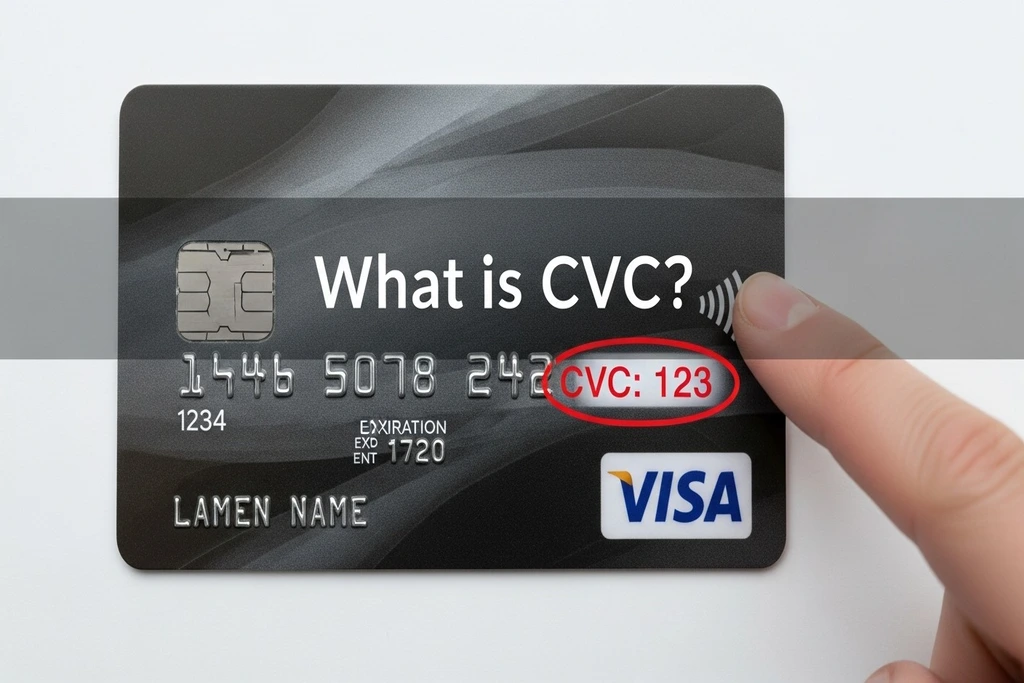
CVC is an abbreviation of Card Verification Code. This is a security element that is printed in the debit or credit card to assist in guarding you when conducting online and phone payments where the physical card is not used.
CVC is typically a 3 digit code printed on the reverse side of Visa and Mastercard, that is the right side of the signature strip. It appears as a 4-digit number that is placed on the front of the card in American Express cards.
The primary reason behind the CVC is to ensure that the individual who is paying with the card is in possession of the card. Even when one is aware of your card number and expiry date, they will not be able to make numerous online payments without the CVC. This renders it to be a significant barrier of defenses against card fraud.
CVC is mostly required for:
- Online shopping
- Mobile app payments
- Phone or mail orders
- Subscription services
It is not required when you physically swipe or insert your card in a shop, because the card itself is present during the transaction.
It is important to remember that you should never share your CVC with anyone, not even bank representatives. Banks and legitimate companies will never ask for your CVC through calls, messages, or emails. Sharing it can allow scammers to misuse your card.
In simple terms, the CVC is a small but powerful security code that helps keep your money safe during online payments. Always enter it only on trusted websites and keep it private to avoid fraud.