



In the latest T20I series, Pakistan washed out Australia 3-0 in an historic victory at the Gaddafi stadium, Lahore. But, in the midst of the festivities of the huge 111-run win of Pakistan, there was a particular incident that engaged the wicketkeeper Khawaja Nafay and the Australian batter Cooper Connolly that has generated a controversy based on ICC rules.
Replay shows that the stumping of Cooper Connolly, which provided Mohammad Nawaz with his fifth wicket was not by the letter of the law, but should have been considered as Not Out.
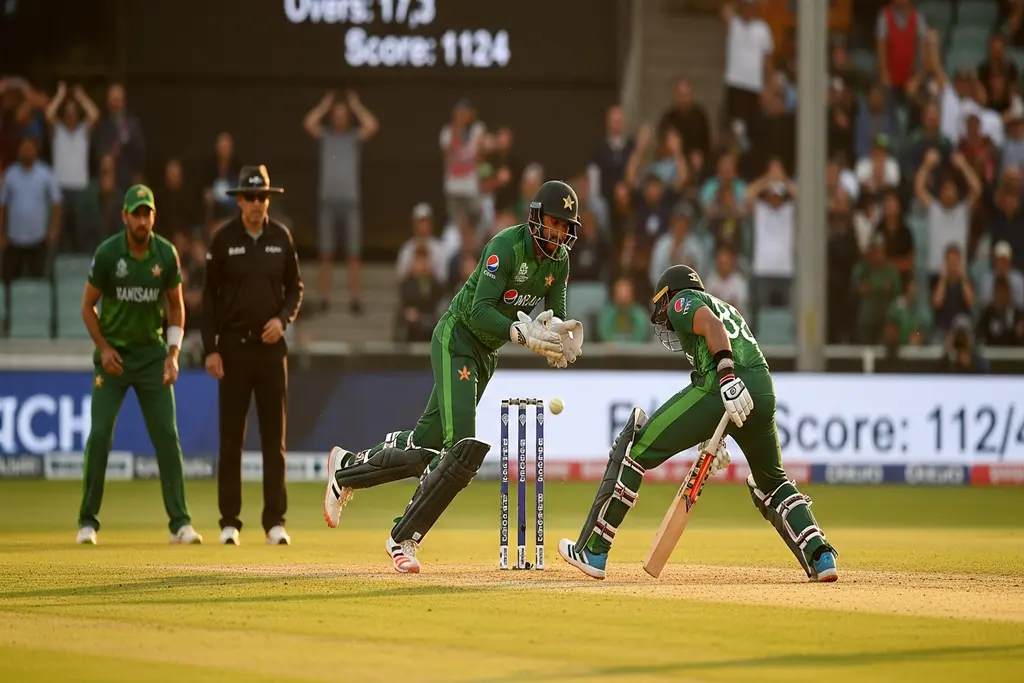
The event took place in the process of Australia pursuing a huge 208-run target. Australia was crumbling at 82-6 when Cooper Connolly went out to confront Mohammed Nawaz. The ball turned down the leg side and the batter completely missed it.
Khawaja Nafay picked up the ball, and tossed off the bails. The square-leg umpire jerked up his finger and Connolly went back to the pavilion. Efforts were made, however, to point out a vital mistake which was missed by officials on the ground at the time, with later replays in slow motion:
The ball lodged into the right hand of Nafay.
Cooper Connolly was given out stumped in the third Pakistan-Australia T20I… but was it the wrong decision? 👀 pic.twitter.com/udYWR0Akik
— Wisden (@WisdenCricket) February 2, 2026
Why Was Khawaja Nafay Stumping Illegal?
According to the Laws of Cricket, a wicket is only considered “fairly broken” if the hand used to remove the bails is holding the ball.
ICC Clause 29.2.1 states:
“The wicket is broken fairly if a bail is completely removed from the top of the stumps… by a fielder with his hand or arm, providing that the ball is held in the hand or hands so used, or in the hand of the arm so used.”
In the particular situation, the dismissal was not technically sound as Nafay used his left hand to smash the stumps when the ball was in his right hand. Quite possibly, had the umpires managed to notice this technicality, Connolly would have survived and Mohammad Nawaz would have ended up with 4 wickets rather than 5.
READ: More informative news