


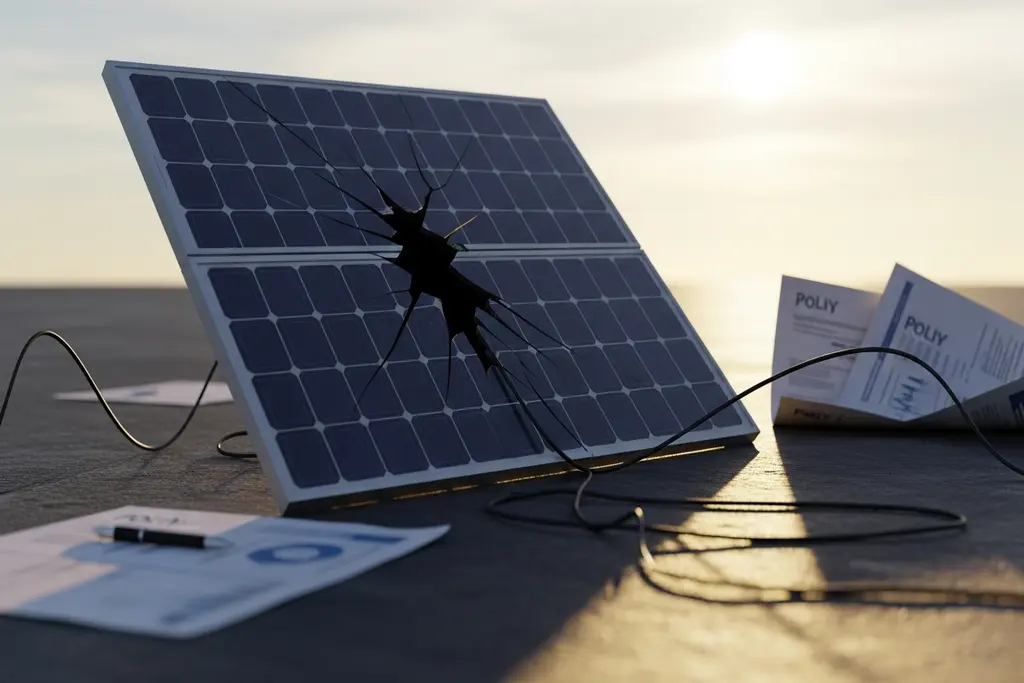
The federal government has taken a final decision to end the net metering system for solar users and replace it with a gross billing policy. To move forward with this plan, the power regulator NEPRA has issued draft rules for the new system.
This time, NEPRA has not announced any date for a public hearing, which is unusual. If implemented, Pakistan may become one of the few countries to end net metering after just ten years. This comes at a time when neighboring countries are encouraging solar energy and, in some cases, even allowing people to sell excess electricity directly to nearby consumers.
Under the current net metering system, homes, shops, and offices with solar panels can send extra electricity produced during the day back to the national grid. When they need power, they can take the same number of units from the grid. Imported and exported electricity units are adjusted at the same rate, which has made solar energy attractive for millions of consumers struggling with high electricity bills.
The Ministry of Energy argues that net metering has caused power companies losses worth billions of rupees and that grid costs are not being recovered. However, on November 18, 2025, CPPA CEO Rehan Akhtar told NEPRA that although solar power generation is increasing, it has not yet caused major pressure on the national grid. He explained that while solar users are consuming more electricity, their overall withdrawal from the grid has remained mostly unchanged.
Critics believe the real problem lies in poor government planning, which forces the state to make huge capacity payments for unused electricity. Instead of fixing these issues, the burden is now being shifted to solar users. Environmental experts also warn that ending net metering will slow down solar installations and harm climate goals, while the Ministry of Climate Change has remained silent.
Under the proposed gross billing system, electricity taken from the grid will be charged at the full national tariff, around Rs 55 to Rs 65 per unit. Meanwhile, electricity sent to the grid from solar systems will be purchased at only around Rs 9 per unit, much lower than the current rate of Rs 24 per unit. Imported and exported units will be calculated separately, meaning consumers will no longer benefit from unit adjustments.
Ironically, while the government will continue buying electricity from solar power producers at very high rates for years, ordinary solar users will be forced to install expensive batteries to store excess power instead of selling it cheaply to the grid. This will also increase battery imports, putting extra pressure on foreign exchange reserves.
As a possible solution, the writer urges Prime Minister Shehbaz Sharif to intervene and stop changes to the existing net metering system. Instead, it is suggested that Pakistan introduce a national carbon emission policy, allowing solar users to transfer carbon credits to electricity distribution companies, which could then sell them internationally.
The article also proposes creating Digital Electricity Units Trusts (DEUT) in major cities. Through these trusts, solar users could voluntarily donate excess electricity units, which would then be passed on to deserving households, especially widows, through a transparent and well-defined system.