



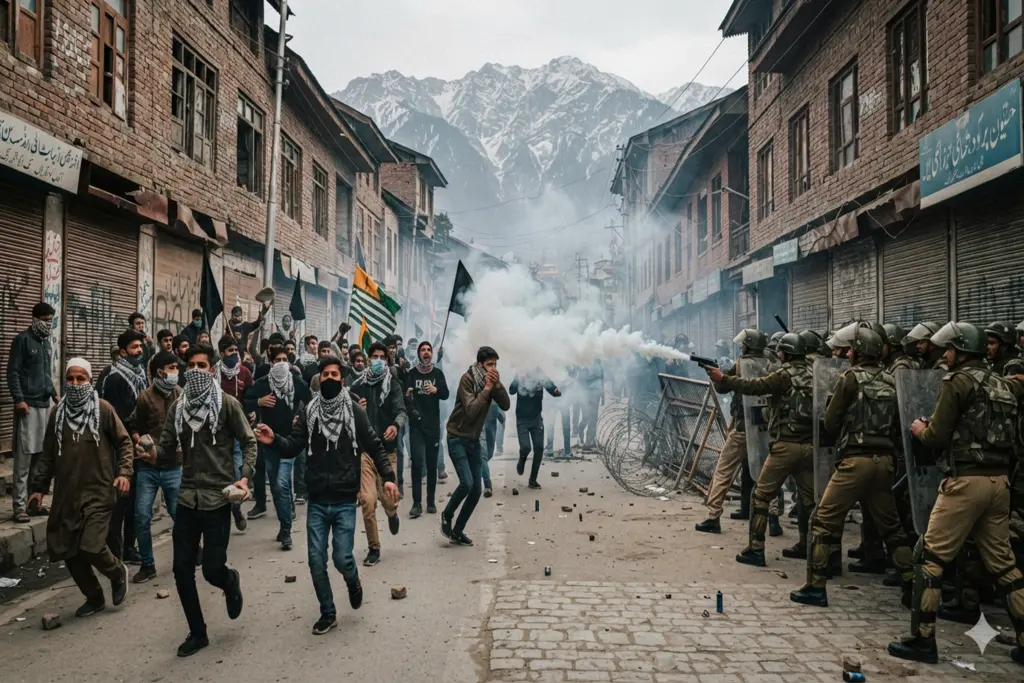
Since June 2026, a wave of unrest has swept Pakistan-administered Kashmir, killing more than 30 people and causing sharp concern from the United Nations. The violence has transformed a local political dispute into an international human rights issue with governments and rights groups worldwide closely monitoring it ahead of regional elections on July 27.
How the Protests Started
The riots were not a political movement. It was born out of popular anger over rising food prices and utility bills. The protests, mostly spearheaded by the Joint Awami Action Committee (JAAC), a coalition of traders and civil society organizations, ultimately morphed into a legal battle for legislative seats earmarked for Kashmiri refugees. The JAAC says these seats give non-residents a say in local elections and wants them abolished.
Why the Kashmir crisis blew up so fast
Tensions erupted in the Poonch division on July 14 as security forces attempted to remove roadblocks ahead of a planned march to Muzaffarabad. Nine people were killed that day, including seven civilian activists and two law enforcement officers. Local officials say protesters attacked a security convoy first and activists say the crackdown was heavy-handed. Pakistani authorities have since proscribed the JAAC as an organization, which the UN says raises serious concerns about the right to peaceful assembly.
The UN’s Response and Worldwide Response
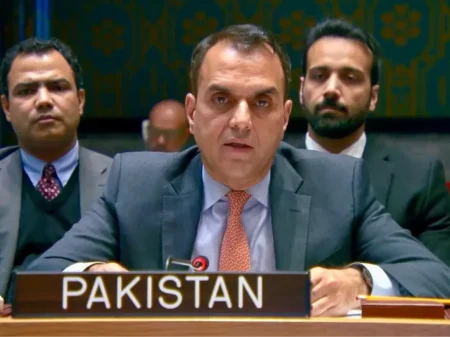
UN High Commissioner for Human Rights Volker Turk has called for prompt, thorough and impartial investigations into every death associated with the unrest, whether protester or security personnel. His office has also condemned widespread internet blackouts in the region, saying they cut people off from basic information during a tense period. India’s foreign ministry blamed the violence on what it called Pakistan’s long-term mismanagement of the territory, a charge that Islamabad rejected.
What Readers Need to Know
•More than 30 deaths reported since June 2026, including civilians and security personnel.
•Regional legislative assembly polls to take place on July 27.
•JAAC banned under anti-terrorism law.
•Internet restrictions still apply in some parts of the region.
•The UN is calling for dialogue instead of more security crackdowns.
Conclusion
The Kashmir dispute has smouldered for decades, but the latest unrest shows how quickly local grievances over prices, jobs and political representation can turn deadly when mixed with restricted freedoms and weak dialogue. The weeks around the July 27 election will be a real test for the international community to see if calls for calm and accountability will be translated into action on the ground. For concerned readers, the best way to keep track of what happens next is through credible, independent reporting.
References:

1 Comment
Pingback: Official Clarification Issued Under Nigar Johar KP Sehat Card Probe Fact Check Review