

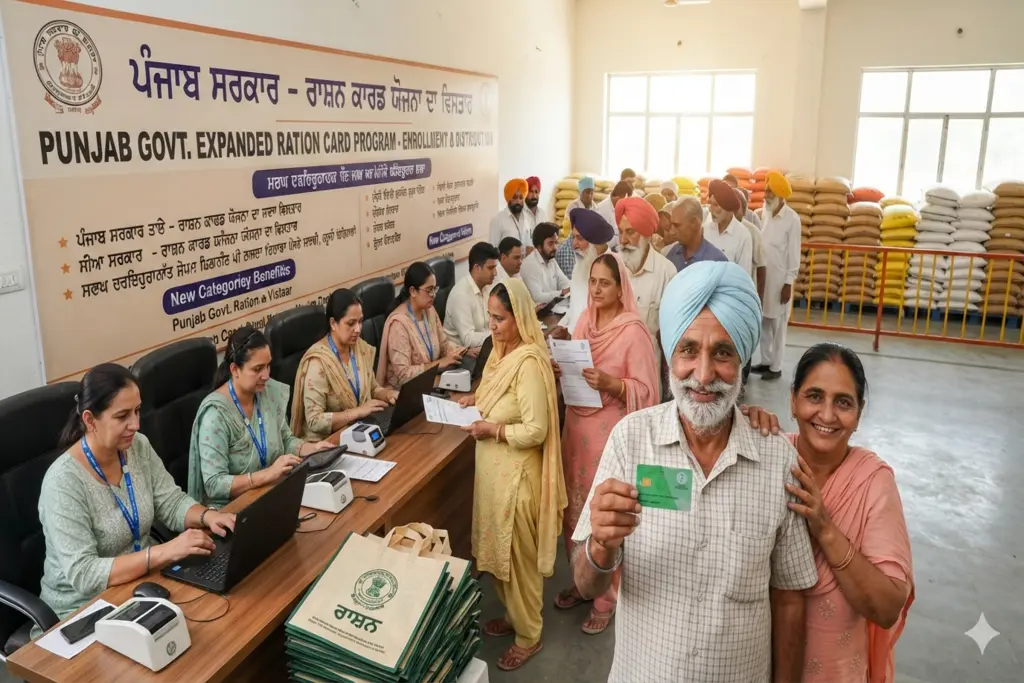
The Chief Minister of Punjab, Maryam Nawaz Sharif, has officially approved a massive expansion of the Maryam Nawaz Ration Card Program, allocating an additional Rs. 43.2 billion to shield low-income laborers from inflation. This flagship social welfare initiative, extended into the 2026-27 fiscal year, aims to broaden the province’s social safety net. Prior to this expansion, the Punjab government successfully disbursed Rs. 28 billion in targeted financial relief to over 1.2 million registered industrial and domestic workers across the province.
Punjab Expands Ration Card Program Enrollment Milestones
The expansion was finalized during a high-level briefing in Lahore, chaired by Chief Minister Maryam Nawaz. Punjab Labor Minister Mansallah Butt and Secretary Labor Danish Afzal presented the updated performance data, revealing that institutional worker registration has climbed to a record 1,403,063 individuals.
According to the official data released by the Punjab Labor Department:
Disbursed Cards: A total of 1,244,130 Maryam Nawaz Ration Cards have been printed and successfully distributed to verified workers.
Pending Issuance: An additional 4,984 cards are currently under active production and will be issued immediately upon biometric verification.
Sanitation Worker Inclusions: For the first time, over 100,000 sanitation workers and field laborers associated with the “Suthra Punjab” clean-up campaign have been legally integrated into the relief database.
Punjab Expands Ration Card Program Subsidized Essential Commodities
The core objective of this welfare framework is to ensure sustainable food security for Punjab’s underprivileged workforce. The cardholder with verified details will receive a monthly subsidy wallet of Rs. 3,000, which can be redeemed seamlessly across 62,000 registered retail outlets, utility stores, and designated grocery shops throughout Punjab. The subsidised basket of food is carefully selected and comprises the assortment of day-to-day needs in the kitchen such as wheat flour, ghee, sugar, pulses and rice.
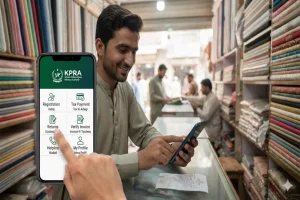
The Punjab Information Technology Board (PITB) in consultation with Bank of Punjab (BOP) has introduced a real-time digital monitoring dashboard to prevent any financial leakage and structural corruption. The beneficiaries are required to do biometric verification at the point of sale for mandatory identity verification before releasing any ration subsidy. This automated system ensures that financial aid is delivered directly to the intended hands without mid-level exploitation.
Punjab Expands Ration Card Program Long-Term Socio-Economic Relief Plans
Chief Minister Maryam Nawaz Sharif reiterated that providing robust economic protection to the labor community is a binding state responsibility. Economic analysts view this Rs. 43.2 billion capital injection as a critical measure to boost the purchasing power of low-wage households, stimulating retail economic activity at the grassroots level. The provincial government has instructed the Labor Department to accelerate specialized registration desks in historically marginalized south Punjab districts—including Dera Ghazi Khan, Bahawalpur, and Muzaffargarh—ensuring full provincial inclusivity.