




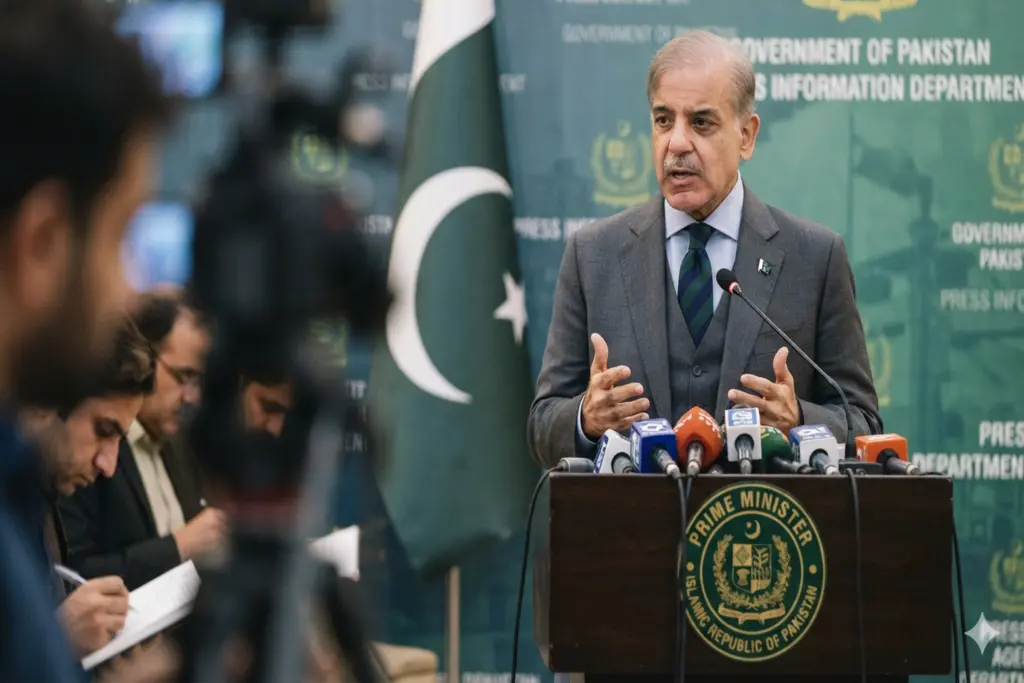
The federal government has introduced a legislative bill in the National Assembly to execute a significant privatization merger across its asset management frameworks. The law consolidates Pakistan’s Privatisation Commission and the Public-Private Partnership Authority (P3A) into a single body called the Privatization and Public-Private Partnership Commission (PPPPC).
This unified institution will oversee the sale of state assets and private-sector infrastructure projects. The bill amends the Privatization Commission Ordinance 2000 and repeals the P3A Act 2017 dissolving the old authority. Shifting these roles under one roof aims to eliminate duplication and improve transactional efficiency. Incumbent chairman Muhammad Ali will lead the commission supported by a board featuring a private-sector majority.
The PPPPC will administer four non-lapsable funds: the privatization, public contribution, viability gap and project development funds. Capital will come from the federal budget, international lenders and investments. The public contribution fund will clear state obligations like land acquisition.
Furthermore, all finalized partnerships will become public documents. However, the draft grants extensive legal and investigative immunity to current and former officials for actions taken in good faith dedicating public funds to contest legal cases brought against them. Existing P3A contracts will transfer seamlessly and staff will be retained for up to six months.
Will a single commission speed up sales?
Who will lead this massive unified body?
Get to know the incoming leadership structure and private-sector board dynamics.
What happens to existing infrastructure contracts?
See how current public-private partnership agreements are transferring to the new system.
Why are officials getting legal immunity?
Look into the new protections granted to board members and chairmen under the law.
Where will the project funds come from?
Uncover the four financial pipelines set to back future public service ventures.