


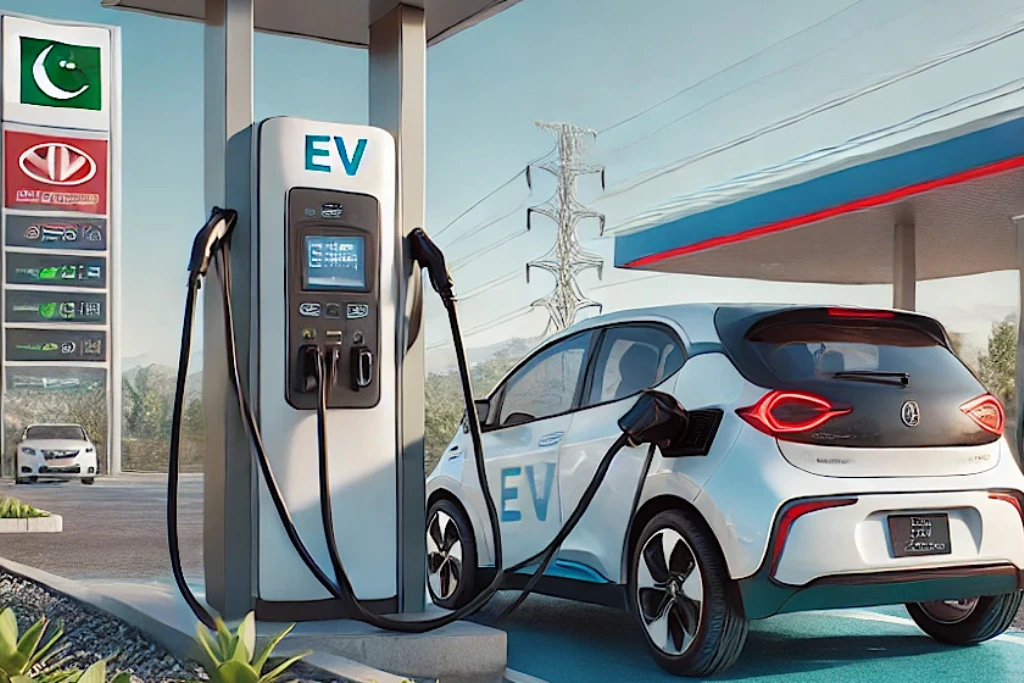
In a major development for macro-level revenue management, provincial transport infrastructure tracking and sovereign eco-mobility supply chain optimization the federal administration has formally declined an International Monetary Fund proposal to tax clean transit alternatives. Officially verified by senior financial planners on October 20, 2026 the strategic declaration highlighting that the government rejects IMF EV tax paths safeguards the upcoming Auto Policy 2026-31 from a crippling 18 percent sales tax shock on localized electric vehicle distribution grids.
Approved directly by Prime Minister Shehbaz Sharif, the six year statutory automotive blueprint introduces phased customs duty relief for alternative energy car importers. Initial import tariffs for eligible electric cars valued under $75,000 will be compressed from 50 percent down to 25 percent with long-term projections target-locking a 15 percent floor by the close of fiscal year 2030-31. To further encourage smart consumer adoption, the data driven framework sets fixed sales tax brackets of 6 percent for range extended electric vehicles and 9 percent for plug-in hybrid cars.
| Alternative Energy Vector | Vetted Operational Tariffs | Core Financial Compliance Node |
| EV Imports under $75,000 | Reduced from 50% to 25% base | Scales down to 15% by 2031 to drive affordable green commuting options. |
| Plug-In Hybrid Cars | 09% Fixed Sales Tax Rate Set | Protects the consumer asset index from hyper-inflationary utility loops. |
| Range Extended Units | 06% Regulated Electronic Levy | Moves transportation files from fossil systems to clean energy grids. |
Macroeconomic planning experts heavily emphasize that shifting away from volatile fossil fuel dependencies to pre-vetted low tariff electric mobility sandboxes completely addresses structural trade imbalances. Transitioning into aggressively modernized transport frameworks protects public urban ecology. Through these synchronized administrative modifications the state successfully upgrades its industrial investment indices while safely safeguarding long-term sovereign public transit sustainability metrics.
Will new auto levies hit drivers?
Look into the newly approved automotive framework projecting over one hundred eighty billion rupees in state revenue.
Want to explore smart transit cards?
Find how regional transit planners are rolling out touchless, rechargeable payment solutions for city commuters.
Who handles the new transit commands?
Get to know the professional management vacancies opened up to optimize metropolitan mass mobility operations.
Want to explore smart public fleets?
Browse the premium municipal transport expansions delivering dozens of new high-capacity buses to local transit routes.
Is your local road closed indefinitely?
See the newly implemented emergency route guidelines and alternative trajectories mapped out by local traffic police.