

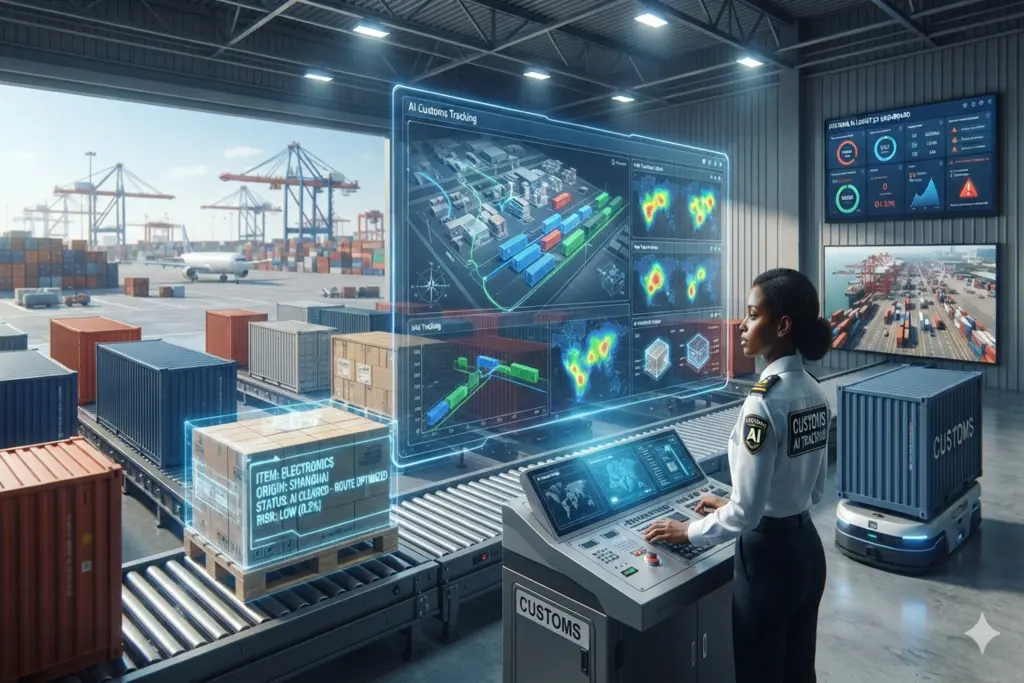
Technology is now being added to trade between Central Asia and South Asia. Pakistani and Uzbek customs officials said at a meeting in Tashkent they would collaborate on AI-powered customs systems to make border crossings faster and smarter. This good news is for Pakistani traders, transporters and small importers who are fed up with the queues and paper files at the border.
What Was Really Agreed Upon
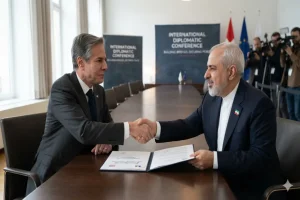
The talks were held on the sidelines of a conference organized by the United Nations Office on Drugs and Crime and the World Customs Organisation. The Pakistani side was headed by Syed Shakeel Shah, Member of Customs (Operations) FBR. The two countries also agreed to cooperate on customs digitalization, risk management through machine learning, transit cargo monitoring and stronger enforcement through shared intelligence. Uzbekistan has also become the first country to connect to Pakistan’s Single Window (PSW) platform for the exchange of advanced customs data on imports and exports.
Why This Should Concern the Average Trader in Pakistan
Pakistan is a cash-heavy economy, predominantly mobile-first, and small and medium exporters often lack the resources to battle bureaucratic delays. An AI-based system for cargo tracking is quicker, meaning trucks wait less at borders, there are fewer opportunities for paperwork errors, and traders pay less in informal costs to speed up the movement of goods. This is an extension of Pakistan’s existing efforts for the e-Bilty and Cargo Tracking System, which is already replacing the old paper-based Bilty document with electronic QR-coded waybills.
So what does this mean for the average guy?
•Shorter clearance time could mean cheaper imported goods in the long term, as delays will add to transport costs.
•For small exporters on trade corridors such as Karachi to Central Asia, the turnaround may be quicker.
•AI risk flagging could help reduce smuggling risks and protect local industries from the threat of undocumented competition.
•Those using PSW and WeBOC systems must update documentation, since digital checks will be more rigorous.
Trader and Transporter Quick List
•If you are into imports or exports, make sure to register or update your profile on Pakistan Single Window.
•Don’t just keep paper copies of invoices and shipping documents, keep digital copies as well.
•Watch your sector for FBR and PSW announcement timelines for rollout.
•If you are using routes through Central Asia by transit, please check with your goods forwarder on the current rules for documentation.
Conclusion
This is more than a diplomatic kiss. This is a practical step to reduce the daily frustrations faced by the Pakistani traders at the border crossings. Small businesses that are currently wasting time and money on slow, manual processes should be the real winners as AI-enabled customs and better cargo tracking are deployed. The first people—traders. Early electronic documentation will be a boon to them.
References: