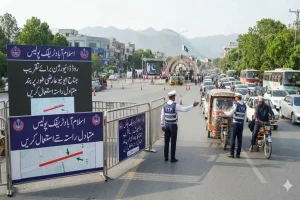


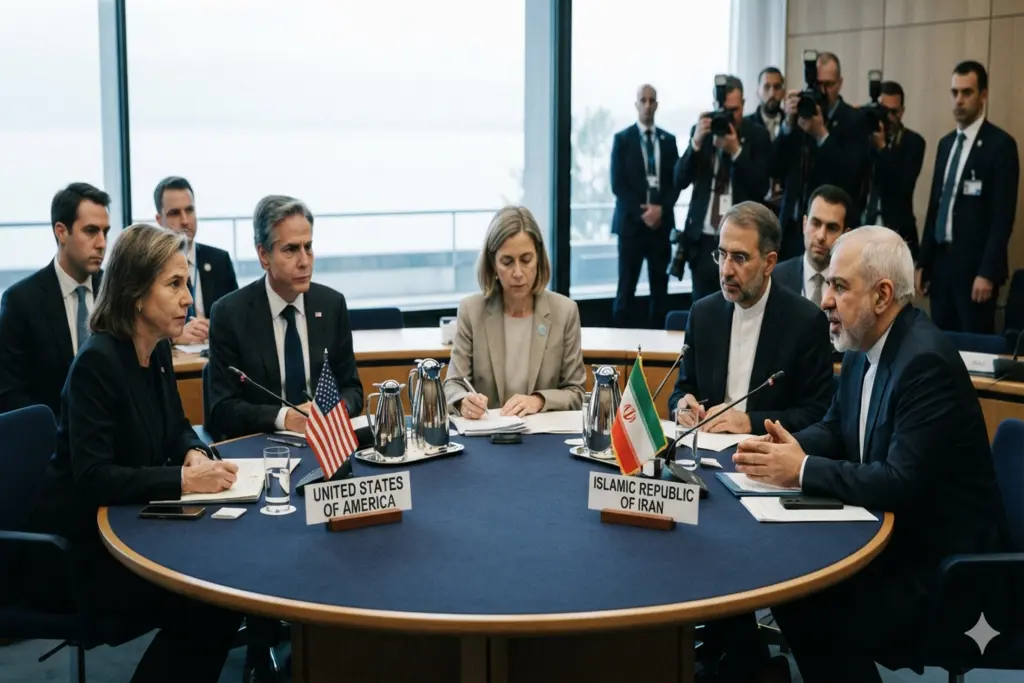
The 60-day window that Washington and Tehran had set for themselves to settle their differences over the Strait of Hormuz quietly ran out on August 17, 2026, and no final agreement was reached. Yet Pakistan has not stepped back from its role as go-between, and officials in Islamabad say indirect contact between the two sides is still ongoing.
How the Islamabad-brokered deal started
Back in June, Pakistan helped put together a 14-point memorandum of understanding, signed in Islamabad, which called for a halt in fighting and gave both countries 60 days to work out a lasting settlement. The plan was meant to cover a reopening of Hormuz for shipping and a longer-term understanding on Iran’s nuclear programme. That timeline has now lapsed, and neither Washington nor Tehran has agreed to extend it.
Why the deadline passing matters
For ordinary readers, this is more than diplomatic back-and-forth. The Hormuz waterway carries a huge share of the world’s oil, and continued disruption there keeps pushing up fuel and shipping costs. For Pakistan specifically, instability so close to its western border affects trade routes, fuel import costs, and regional security, all of which can filter down to everyday prices at home.
Pakistan’s continuing role
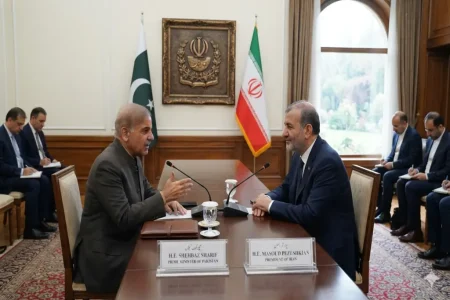
Even without a signed deal, Pakistani officials, including the interior and defence ministers, have kept travelling between capitals and passing messages, while Qatar and Oman assist with communication on the Iranian side. Iran maintains it is only talking to Oman directly, but messages are still reportedly moving through these intermediaries toward Washington.
What this means going forward
- No new deadline has been agreed, so talks could drag on indefinitely.
- Tensions around Hormuz remain a risk for oil prices and shipping.
- Pakistan’s mediating role gives it diplomatic weight, but also exposes it to pressure from both sides.
- Any future breakthrough will likely first be signalled through Islamabad or Doha before it reaches the public.
A note on how to read this story
Given how fast this situation shifts, treat single-day headlines with some caution and look for confirmation across more than one source before drawing conclusions.
Conclusion
The passing of the Hormuz deadline is not the end of the process, it is simply a pause without resolution, and Pakistan’s quiet diplomacy remains one of the few active channels keeping the door open. For now, the takeaway is simple: watch Islamabad, not just Washington or Tehran, for the next real sign of movement.