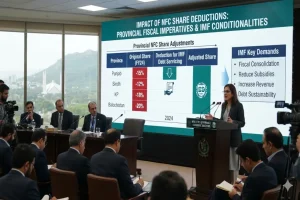


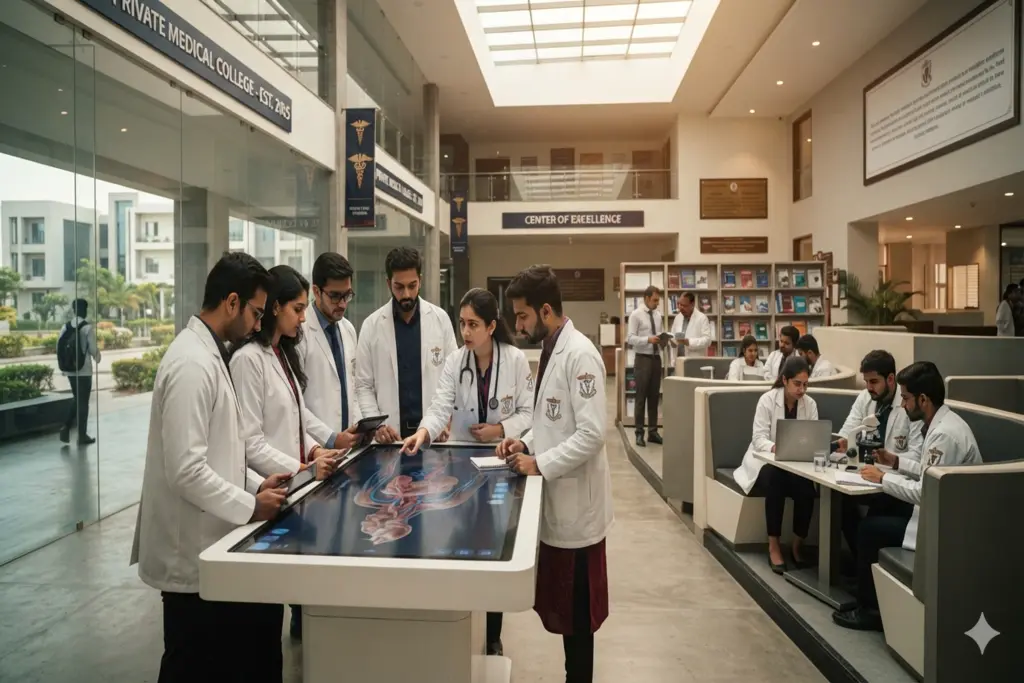
Medical education in Pakistan is facing an uncomfortable question this year. Why are hundreds of seats in private medical colleges sitting empty when so many students dream of becoming doctors? A National Assembly standing committee has now ordered a full inspection of these institutions, and the findings could change how medical college admissions work across the country.
Why So Many Seats Are Going Unfilled
Punjab has more private medical and dental colleges than any other province, yet during the last admission cycle, over 700 MBBS and BDS seats across the country stayed vacant. More than 600 of these were BDS seats. In Punjab alone, 426 MBBS seats remained empty after the admission process closed.
Parents and students point to one main reason: cost. Many private colleges charge fees that keep rising every year, sometimes by 10 to 20 percent, making a private medical degree feel out of reach for middle class families. As a result, a growing number of students are choosing to study MBBS abroad, where costs can work out cheaper than staying home.
What the Inspection Will Look At
The committee has directed teams to examine every private college in detail, including:
- Faculty strength and qualifications
- Laboratories and clinical training facilities
- Attached teaching hospitals
- Compliance with regulatory standards
- Whether student numbers match actual capacity
Colleges that fall short may see their approved seats reduced.
Government Colleges Add More Pressure
For the 2026-27 session, over 500 new seats have opened in government medical colleges across Punjab and Khyber-Pakhtunkhwa. Since public sector fees are far lower and teaching hospitals are already established, many students are now preferring government colleges over private ones, adding further strain to private admissions.
What This Means for Students and Families
- Compare total program cost, not just yearly tuition, before choosing a college.
- Check whether a college has an attached teaching hospital.
- Confirm PMDC or relevant regulatory recognition before applying.
- Watch for updates once the National Assembly committee releases its inspection report, as seat numbers may shift for the next session.
Conclusion
The scrutiny facing Punjab’s private medical colleges is really a signal that admission capacity has grown faster than affordability and quality. For Pakistani families planning a child’s medical career, the wise move now is to research fees, facilities and hospital tie-ups carefully before committing, because the rules around seats may look very different by next year.