


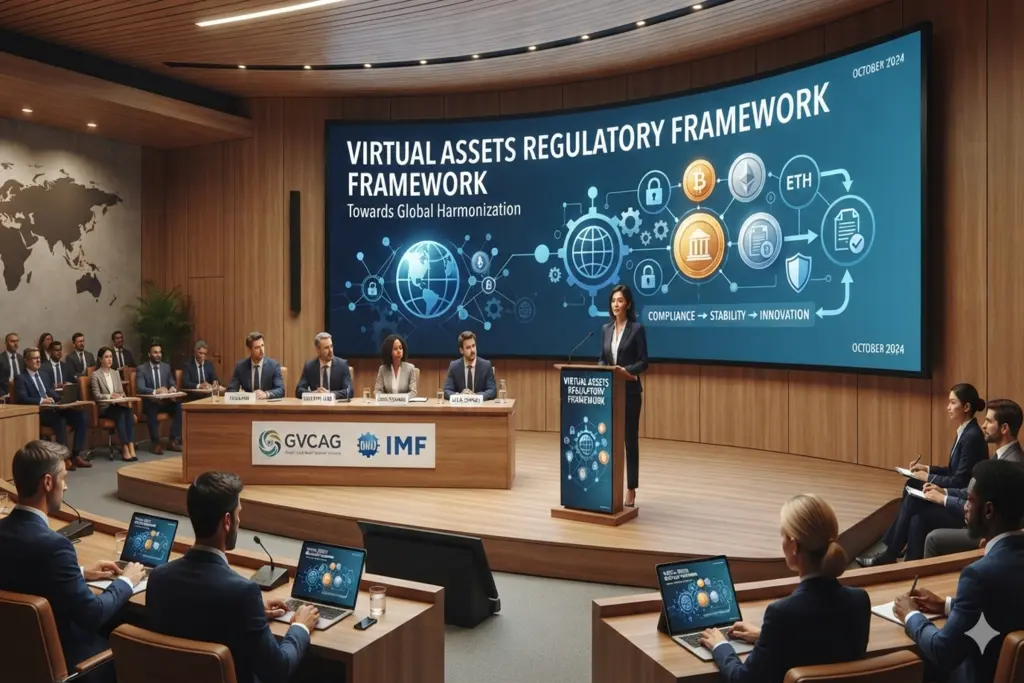
In a definitive policy address mapping the state’s transition toward next-generation web3 governance and smart fiscal structures, the Minister of State and Chairman of the Pakistan Virtual Assets Regulatory Authority (PVARA), Bilal Bin Saqib, declared that the federal government is fully committed to injecting regulatory clarity and building robust digital infrastructure.
Delivering his address during the opening ceremony of the Silk Road Finance and Technology Forum in Tashkent, Uzbekistan, the state executive called upon international finance ministries and technology managers to build forward-looking regulatory institutions. He stressed that modern governing bodies must systematically keep pace with emerging technologies developing much faster than traditional, manual policy-making cycles.
Tokenization and AI: Overhauling Global Value Movements
Addressing a diverse gathering of Central Asian policymakers, corporate investors, and software architects, Bilal Bin Saqib outlined how technological convergence is fundamentally altering consumer operations. He noted that artificial intelligence, asset tokenization, and digital assets are beginning to disrupt traditional financial institutions, reshape capital markets, and redefine the global movement of economic value.
The PVARA Chairman highlighted Pakistan’s distinct regulatory pivot, tracing its path from previous eras of restricting virtual assets to establishing a dedicated, legally recognized regulatory framework. He described this calculated adjustment as part of a broader, well-coordinated national effort to safely position Pakistan for the next generation of digital finance. This deployment links with current initiatives by the State Bank of Pakistan (SBP) and the Securities and Exchange Commission of Pakistan (SECP) to eliminate bureaucratic friction and secure a frictionless fintech environment.
Minister of State and Chairman Pakistan Virtual Assets Regulatory Authority @Bilalbinsaqib has called for building regulatory institutions capable of keeping pace with technologies developing faster than traditional policy cycles#RadioPakistan #news https://t.co/yTUmhDBNIU pic.twitter.com/gB4CGF813N
— Radio Pakistan (@RadioPakistan) August 25, 2026
Shifting Youth Focus From Consumers to Infrastructure Builders
Emphasizing Pakistan’s prominent demographic advantage, Bilal Bin Saqib presented a core mental shift for the country’s vast youth workforce. He asserted that the younger population should actively transition from being simple consumers of emerging technologies to becoming global builders of the companies and financial infrastructure created around them.
The Chairman advised that Pakistani youth should view AI and blockchain engineering not simply as automated software tools to run, but as high-yield global industries around which they can construct enterprise-grade companies worldwide. This macroprudential mandate closely mirrors the Higher Education Commission’s (HEC) recent rollout of certified blockchain and cryptographic syllabi across national universities.
By establishing clear guidelines under PVARA, the government aims to expand technical human capital, secure foreign direct investment pipelines, and position local web3 firms to safely trade across international borders without facing domestic legal ambiguity.