


There’s a number doing the rounds in Islamabad these days, and it’s a big one: $10 billion. Pakistan has put in a formal request to the United States Treasury for a $10 billion exchange stabilisation facility, and finance officials say Washington could respond by September 2026. If you’re someone who checks the dollar rate before making a big purchase, or if fuel prices affect how you plan your month, this story is worth following.
So What Exactly Is This Facility
First, let’s clear up a common confusion. This isn’t a loan in the usual sense, the kind Pakistan is used to taking from the IMF or friendly countries. Finance Minister Muhammad Aurangzeb has been fairly clear about this in his recent briefings. What’s on the table is a bilateral exchange stabilisation support facility, essentially a currency swap arrangement that could run for up to five years. Think of it as a safety net. If the rupee comes under sudden pressure, this facility would give Pakistan a way to steady things without immediately running to the IMF for another bailout.
Why Now
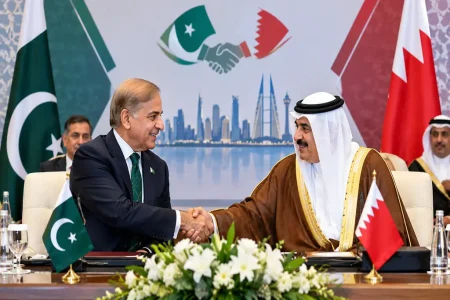
Timing matters here. Pakistan’s role in helping ease the recent tensions during the US-Iran conflict put Islamabad on Washington’s radar in a way it hasn’t been for years. Officials seem to be reading that as an opening. Adviser to the finance minister, Khurram Schehzad, described the ongoing talks with the US as “constructive,” which in diplomatic language usually means things are moving in the right direction, even if slowly. Alongside this facility, Pakistan is also in talks with the US Exim Bank and Development Finance Corporation, hoping to stretch out the repayment period on existing bilateral loans, possibly up to ten years.
What This Could Mean for You
Here’s where it gets practical for the average household or small business owner:
- A stronger reserve position generally means less pressure on the rupee, which in turn keeps fuel and import bills from swinging wildly.
- Less dependence on IMF tranches could mean fewer surprise tax measures, since a lot of those come tied to loan conditions.
- If you run a small business that imports raw material or uses apps like Raast or JazzCash for daily transactions, currency stability makes your costs easier to predict.
- A better credit rating for Pakistan usually trickles down to cheaper borrowing for the government, which eventually affects public spending.
Keep an Eye On
Over the next few weeks, it’s worth watching statements from the Finance Ministry and the State Bank of Pakistan, along with how the rupee behaves against the dollar. Also worth tracking is how this fits alongside Pakistan’s existing IMF programme, since the two are meant to work together rather than replace each other.
Wrapping Up
Nobody should expect this facility to solve Pakistan’s economic troubles overnight, and it won’t put money directly into anyone’s pocket. But if it comes through, it acts as a cushion, something that keeps the rupee from swinging too hard and takes a bit of pressure off the usual IMF route. For now, the ball is in Washington’s court, and Islamabad is waiting, cautiously hopeful that September brings an answer worth celebrating.