


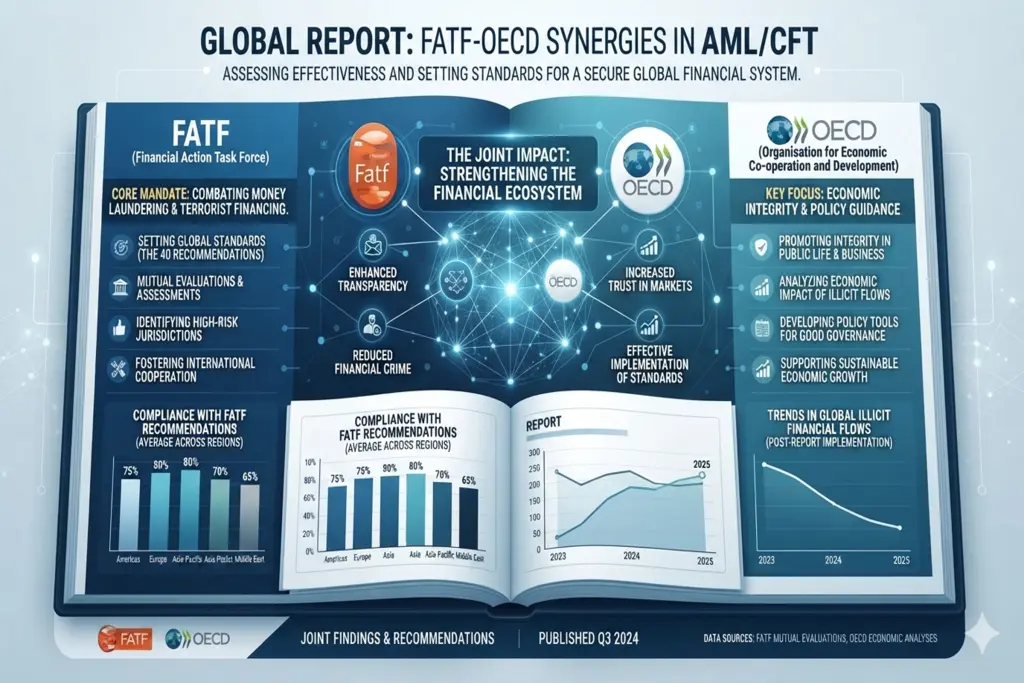
A new global report has once again put Pakistan’s informal money transfer system in the news. The FATF and OECD studied how hawala networks are moving away from cash and into crypto wallets and fintech apps, and Pakistan was one of the countries whose experts helped shape this research.
What the Report Actually Found
Researchers pulled input from 32 jurisdictions, Pakistan among them, along with 22 FATF member states and three observer groups: Europol, Interpol and UNODC. That’s a wide pool of contributors, and Pakistan’s presence in it says something. Islamabad is now treated as a partner giving input, not just a country being watched from the outside.
One case in the report should catch attention here. A hawala group ran WhatsApp groups targeting Pakistani workers in Oman, promising rates better than banks. Once people paid in, the money moved through e-wallets and eventually through Raast, Pakistan’s own instant payment system, to reach families back home.
Why This Matters to Pakistani Families
Think about how many households survive on money sent by a brother, father or son working in the Gulf. For many families, hawala simply makes more sense than a bank. It’s quicker, cheaper, and in places where the nearest branch is a bus ride away, often the only realistic option. That’s exactly the problem this report points to. The same reasons hawala works so well for ordinary people are being copied by criminals hiding behind encrypted chat apps and mobile wallets.
A Simple Checklist for Safer Remittances
- Stick to licensed options such as Raast, direct bank transfers, or a registered exchange company
- Avoid random WhatsApp or Telegram groups promising unusually good rates
- Check whether a money service provider is registered with the State Bank of Pakistan
- Report unlicensed operators or suspiciously cheap deals to your bank or the FIA
- Keep transaction slips, even for informal transfers, just in case
Pakistan’s Regulatory Push
The State Bank, alongside the FIA, has been cracking down harder on exchange companies operating without proper licenses, largely to keep up with FATF expectations. This latest report adds weight to that effort, especially as digital hawala and AI-assisted laundering tricks show up more often across South Asia.
Conclusion
The lesson here is simple: don’t let a slightly better exchange rate tempt you into an unregulated channel. Stick with traceable, licensed ways of sending money to or from Pakistan, because whatever you save today isn’t worth the trouble tomorrow.