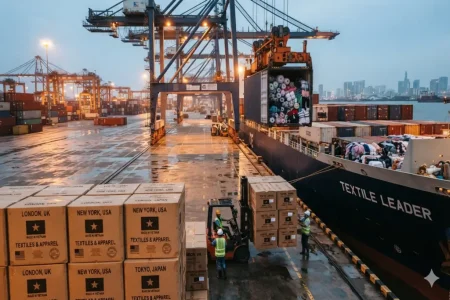


Companies everywhere are rethinking how products get from factory to market. Wars, disruption of shipping routes and spiralling costs are forcing companies to search for new and safer routes. This is a huge move for Pakistan, because the country’s location on the Arabian Sea places it right in the middle of this global rethink.
Why Pakistan’s Location Suddenly Matters More
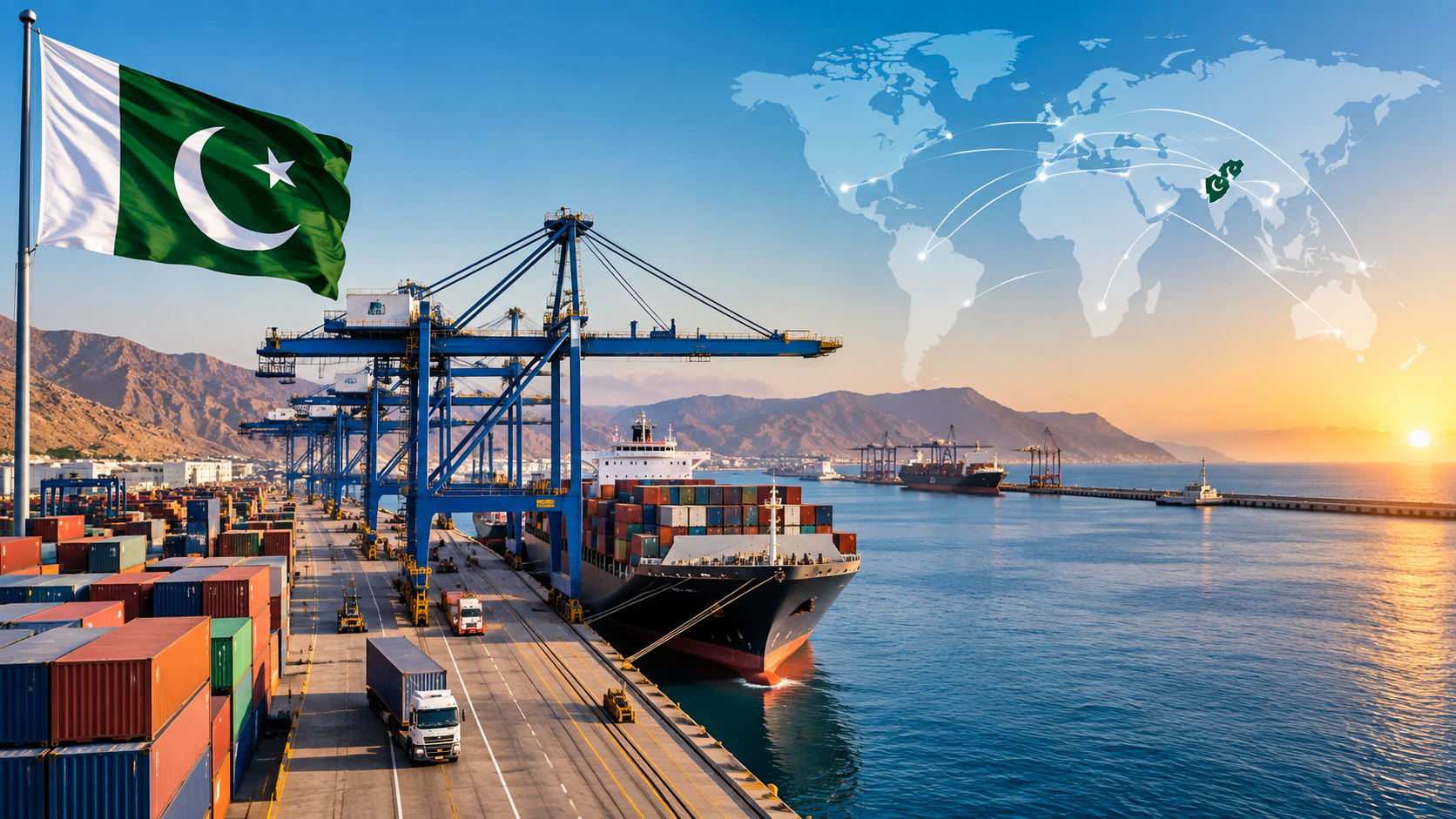
Pakistan is a natural crossroads between South Asia, Central Asia and the Middle East. It is located with the physical access to the major shipping lanes with three working ports i.e. Karachi Port, Port Qasim and Gwadar port. A stable alternative corridor is useful for buyers and manufacturers wanting to avoid congested or risky routes elsewhere. This is exactly the kind of opportunity that is now presented to us.
What needs to happen on the ground
Geography alone won’t draw shipping lines or investors. There are still some practical gaps left for the common businesses and traders all over the Pakistan:
•Limited digital cargo tracking at smaller ports.
•Transit trade delays caused by inconsistent customs procedures.
•Weak rail and road links between ports and interior cities.
•Payment and banking delays for exporters, particularly small companies outside the big cities
The importance of local rules and regulations
Pakistan is now starting to tackle some of these issues. The more widespread use of the TIR transit system and its digital version, e-TIR, can make cross-border cargo movement faster and more transparent. The State Bank of Pakistan push for digital trade payments also benefits smaller exporters, who had relied on slow paper-based banking methods. Apps linked to customs and banking portals also cut down the need for mobile-first traders in smaller towns to travel to Karachi for basic paperwork.
Constructing “Three Ports, One System” Concept
A useful idea gaining traction is to treat Karachi, Gwadar and Port Qasim as one linked network instead of separate competitors. If one port is congested or disrupted, cargo can be diverted to another port with little time lost. There is a need for better inland transport, dry ports and container depots to link cities like Lahore, Faisalabad and Multan with the coast.
Checklist for Companies That Want to Benefit
•Register for e-TIR and digital customs where possible.
•Better port management systems to track shipments.
•Build relationships with goods forwarders who know several ports.
•Find out about new government trade schemes and subsidies.
Conclusion
This moment won’t last forever. “Global buyers are actively looking for new trade partners right now, and Pakistan’s coastline gives it a real seat at that table. But the advantage is a lasting benefit only when ports, roads, digital systems and policies are working together consistently, and not just during a crisis.