


Cotton isn’t just a crop for Pakistan, it’s practically part of the national identity, and it still pays the bills for a huge chunk of the economy. Recently, Pakistan’s Ambassador to France, Mumtaz Zahra Baloch, brought this up at a gathering in Paris, tying the country’s centuries-old cotton traditions to today’s apparel industry. It might sound like a small diplomatic event on paper, but for a country that leans so heavily on textile earnings, this kind of visibility abroad genuinely counts.
What Actually Happened at the Paris Event
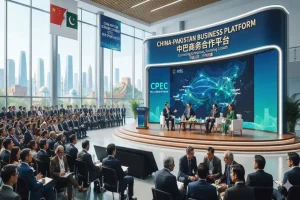
The event, called “Cotton Thread,” was hosted at the Pakistan Embassy in Paris and pulled together an interesting mix of people, diplomats, UNESCO officials, French textile industry folks, and fashion designers. During her talk, the ambassador walked through cotton’s history in the region, going back nearly 7,000 years. She made a point that spinning, weaving, and embroidery in Pakistan aren’t just trade skills passed down for money. They’re cultural knowledge, the kind of thing UNESCO tries to preserve so it doesn’t disappear with older generations.
Why This Actually Matters for Pakistan’s Economy
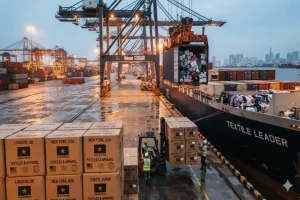
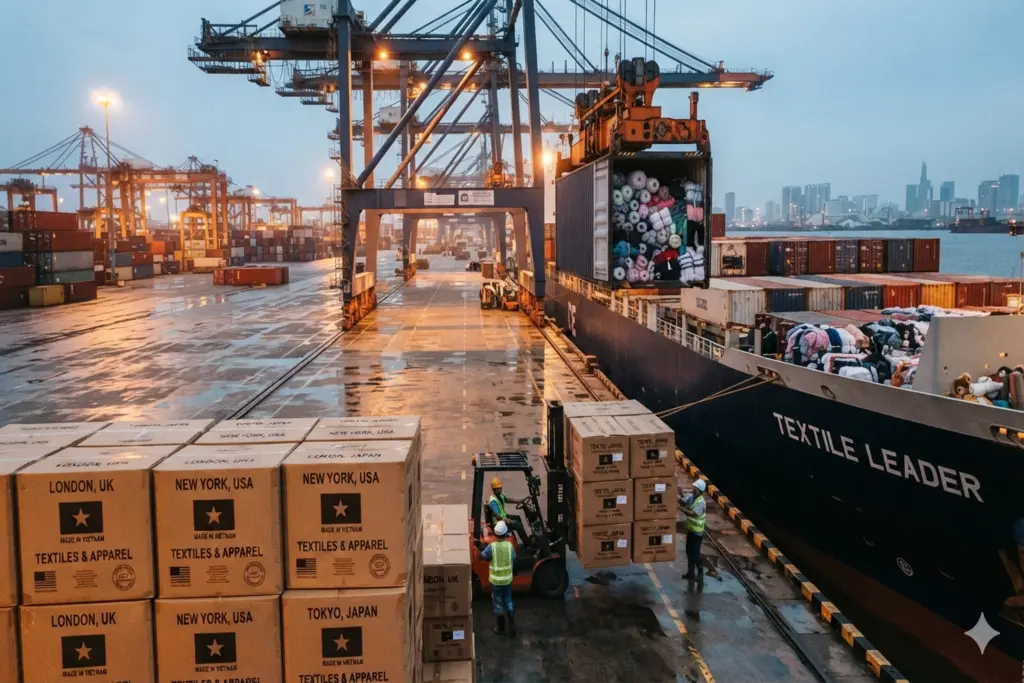
Here’s the thing about apparel in Pakistan, it’s not one industry among many. It’s basically holding up a large part of the economy, from the spinning mills scattered across Faisalabad to the export houses running out of Karachi and Lahore. For someone reading this at home, that translates into a few very real things:
- Jobs in spinning units, weaving floors, and garment stitching lines across Punjab and Sindh
- Foreign currency coming into the country, which affects everything from the rupee’s value to what we can afford to import
- Smaller businesses that supply raw cotton or stitch finished garments for export
- A shot for local brands to actually get in front of European buyers through embassy connections
What It Means for Exporters and Workers on the Ground
This kind of event isn’t just ceremonial, it’s part of what’s called economic diplomacy, where embassies go out of their way to push local industries abroad rather than waiting for buyers to come knocking. .
If you’re an exporter or run a small textile business, here’s a practical starting point:
- Get registered with the Trade Development Authority of Pakistan (TDAP), they run export facilitation programmes worth looking into
- Keep your product samples and quality certifications ready, since international showcases move fast
- Keep an eye on embassy trade announcements for exhibitions coming up in France and across the EU
- Don’t underestimate mobile-based trade groups and apps, a lot of small exporters run their entire business from a phone, not an office, and that’s completely fine
Conclusion
Pakistan’s cotton history isn’t just something to bring up at conferences and then forget about. It’s an economic asset that’s still very much in use, and diplomats are now putting real effort into showcasing it on international stages. When an ambassador talks about textile exports at an event like this one in Paris, it puts a spotlight on an industry that quietly employs millions of people, mill workers in Faisalabad, stitching units in Karachi, and everyone in between.