


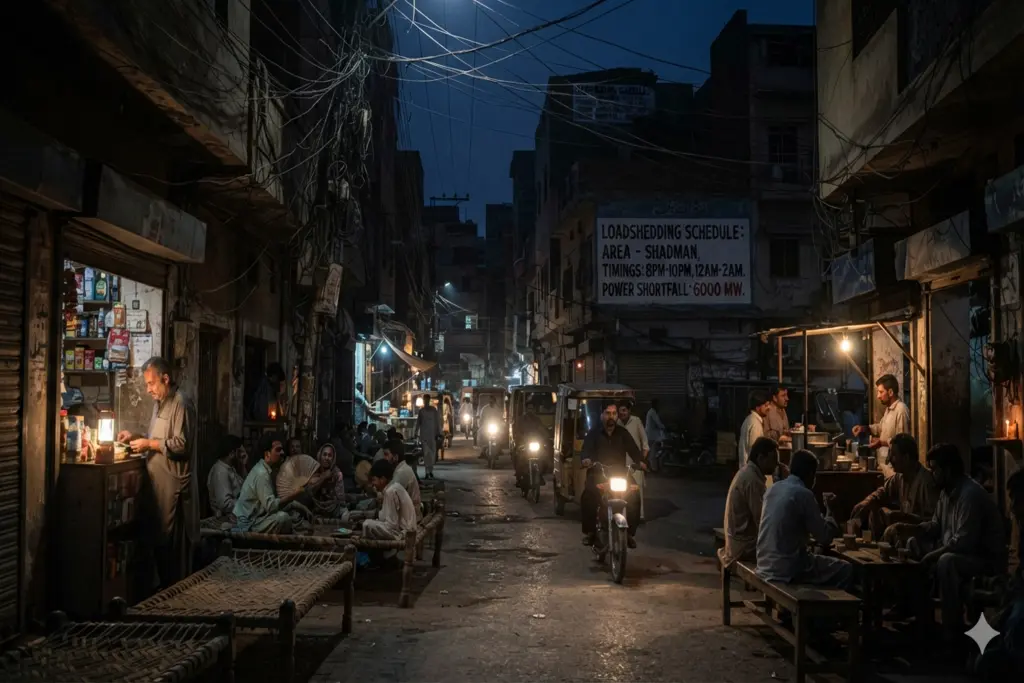
In a major structural crisis for national utility infrastructure, energy grid management and public service reliability Pakistan’s electricity shortfall has officially crossed the 4,000 megawatt (MW) threshold. The severe generation deficit transitions urban and rural distribution grids into an emergency forced load management sandbox. According to platform updates from National Transmission and Despatch Company (NTDC) software engineers the system vetted collapse stems from several major thermal power plants going offline alongside a rapid drop in seasonal hydropower generation.
As national energy planners struggle to balance the grid the Lahore Electric Supply Company (LESCO) region has experienced a localized deficit exceeding 1,500 MW. This severe regional short-term fuel deficit caused by low diesel and gas supplies has forced grid managers to implement a strict one-hour power cut after every single hour of electricity supply across the provincial metropolis.
| Utility Ingestion Grid | Current Cascading Caseload | Mandated System Response Protocol |
| National NTDC Core | Exceeding 4,000 MW Deficit | 3 to 4 hours of standard daily rolling blackouts |
| LESCO Lahore Circuit | Exceeding 1,500 MW Deficit | Forced loadshedding on an alternating 1-hour cycle. |
Power sector directors warned that these localized grid shutdowns will likely persist for the next several days. Shifting from slow manual monitoring to centralized real-time load shedding updates is necessary to prevent a total blackout of the transmission network. Through these emergency utility controls the state aims to protect vulnerable power assets while trying to restore industrial trust across corporate production corridors.