



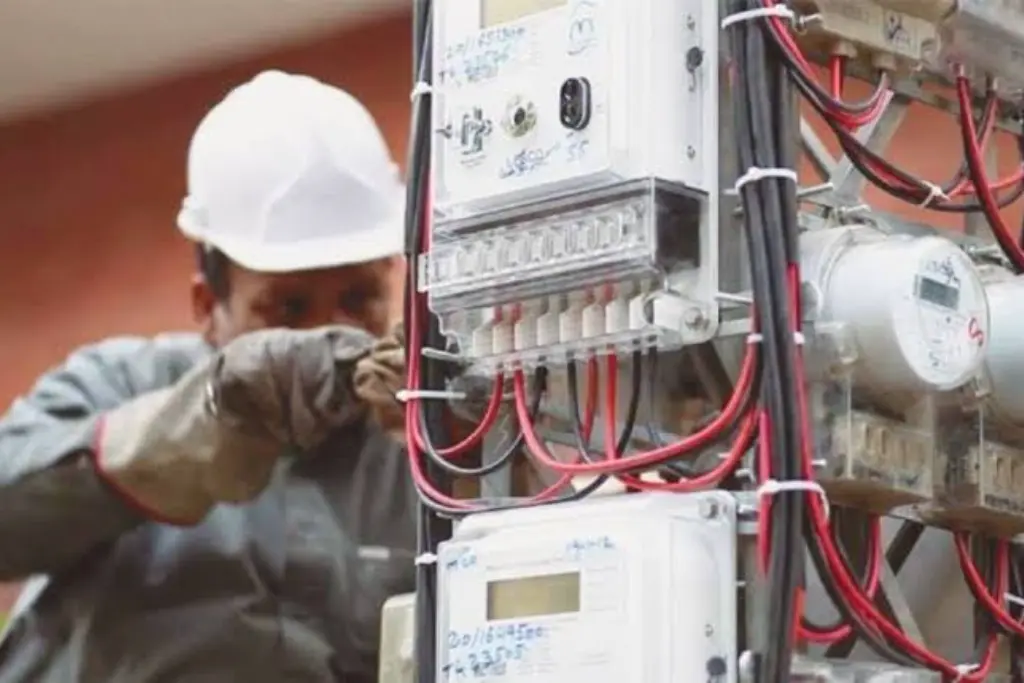
The idea of smart meters in Pakistan as the ultimate solution to its failing energy sector has been bandied about; however, the recent announcement of large scale smart metering from the government of Pakistan deserves some scrutiny. After an inter-ministerial review led by Minister for Economic Affairs Ahad Cheema and Power Minister Sardar Awais Ahmad Khan Leghari, it was announced that smart meters will be implemented across the board. The project is backed by multi-billion dollar funding deals with the World Bank and Asian Development Bank. It hopes to streamline its monitoring systems, eradicate electricity theft and ensure accurate billing. Although there is no doubt that Pakistan needs to move away from analogue meters in the distribution system, can smart meters truly solve the problem of circular debt?
Pakistan has suffered from a circular debt issue in its energy sector for years. Due to large losses along transmission lines, non-payment and electricity theft billions of rupees of capacity charges are passed onto honest consumers. Traditional meters have failed to stop theft as they are incapable of stopping organized tampering and illegal connections. Smart meters being installed on distribution transformers allow accurate monitoring of how much electricity is going into a certain area and how much is being billed. By having accurate auditing of energy usage, companies can pinpoint which transformers are causing large losses.
The government is trying to ensure this will not be disrupted during the privatisation process of state owned DISCOs. In the past many attempts to improve Pakistan’s infrastructure have been stopped due to changes in government. However, by including legal clauses that enforce private investors to continue implementing meters on transformers, the government hopes to ensure the issue will be addressed in the future. By enforcing private investors to bid for any new projects and gain approval from the National Electric Power Regulatory Authority (NEPRA), the government can ensure costs aren’t unfairly passed onto consumers.
However, looking at this as a silver bullet solution is misleading. Multi-billion dollar deals with development banks are loans that need to be paid back with interest. Many pilot schemes have failed as the meters weren’t the problem. The issue was that energy companies were unwilling to act upon the information provided. When alerts went off showing unusual loading or illegal connections, teams would often struggle to act due to interference from politicians, militant activity in high loss areas and corruption within the team. Without a zero tolerance approach to corruption within energy companies and quick legal action on large scale electricity thieves, real time data won’t help.
To ensure this large investment helps, it needs to go hand in hand with changes within the company. The meters will produce a large amount of data meaning DISCOs will need to invest heavily in automation, security and data analysis teams. Regulators also need to tackle the issues that cause theft. This includes unfair taxes, inefficient generation and inflexible tariffs that encourage consumers to either go off grid using solar or illegally connect.
Overall, implementing smart meters nationwide will be a brave move to get Pakistan’s outdated energy distribution system into the 21st Century. Knowing exactly how much energy is being used at transformer level will prevent unfair overcharging and ensure honest consumers are protected. It will also give private investors the assurance they need to turn loss making energy companies around. However, meters alone can’t enforce the law. If Islamabad can combine this multi-billion dollar project with real changes to DISCO governance, strict regulation and fearless actions against theft, smart meters could help solve the issue of circular debt. Otherwise Pakistan will end up with billions more in loans.