




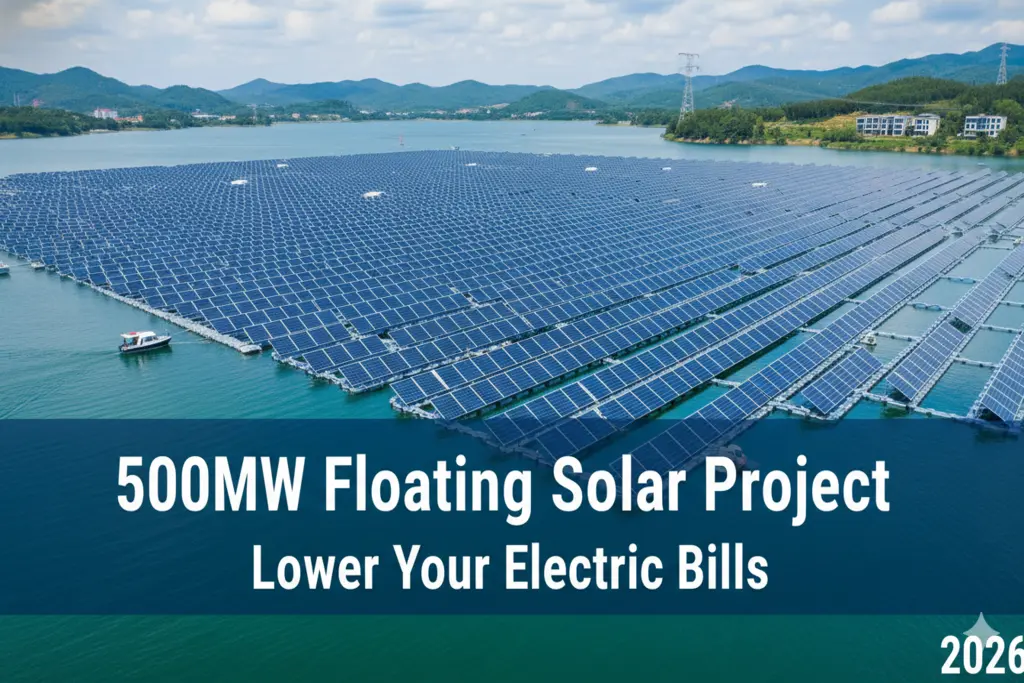
Pakistan today inaugurated its first floating solar mega-project (500MW) to address the energy crisis and high electricity costs, marking a pioneering initiative in the nation. The government has started to install, with the assistance of foreign investors, huge solar power photo panels over the surface of the country’s main reservoirs and dams as of May 2026. This groundbreaking technology, Floating Photovoltaics (FPV), will change the energy landscape in Pakistan and present a promising avenue for energy sustainability while reducing electricity costs.
What is Floating Solar Technology?
Floating solar panels are, as Tomerlino proposed, simply a standard PV panel placed on special buoyancy platforms that float on water reservoirs like dams for hydroelectric, lakes, and irrigation canals.
Saving Land Resources: Floating solar rather than land-intensive like conventional solar installations, uses “dead space” in water.
Increased Efficiency: The cooling effect from the water under the panels ensures they remain from overheating. Research indicates that floating panels could be 10%-15% more effective in high temperature countries such as Pakistan as compared to land-based systems.
Energy for less evaporation: These panels provide shade to the water which decreases evaporation losses, helping to conserve the water for irrigation and hydropower.
How 500MW of Floating Solar Lowers Your Bills
High electricity tariffs in Pakistan are largely due to the high cost of imported fuels such as furnace oil and coal. An innovative solution to this involves the installation of the 500MW floating solar project which will help to inject cheap, renewable energy into the national grid.
- Lower Generation Cost: Solar energy has zero fuel cost. As more solar units are added to the grid, the overall “weighted average cost of generation” decreases, leading to lower Fuel Price Adjustments (FPA) on your monthly bill.
- Infrastructure Synergy: These projects are being installed at existing dams such as Tarbela and Mangla. This will enable the solar arrays to be connected to the existing high-voltage transmission lines, which will save billions of dollars in the costs of new facilities — money which will be recouped eventually by the consumer.
- Daytime Peak Shaving: Solar power reaches peak production during the day, precisely when industrial and commercial demand is highest, reducing the need to run expensive “peaker” oil plants.
The Road to May 2026 Completion
This 500MW project was moved in the fast track as part of the “Vision 2030” target of 60% renewable energy usage by the Ministry of Energy (Power Division) and the Alternative Energy Development Board (AEDB). The World Bank has supplied the technical assistance for the floating structures to prevent any damage due to fluctuation in seasonal water levels and wind speeds prevailing in northern Pakistan.
Environmental Benefits: A Greener Pakistan
Not only will this mega-project save money, it’s a huge environmental success as well! Pakistan will be able to produce 500MW of clean energy and cut down the carbon footprint of Pakistan by hundreds of thousands of tons of CO2 per year. This would closely follow global climate agreements and prevent the harmful emissions from thermal power plants from having harmful effects on the country’s delicate eco systems.