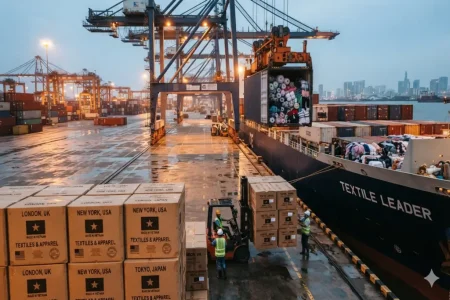



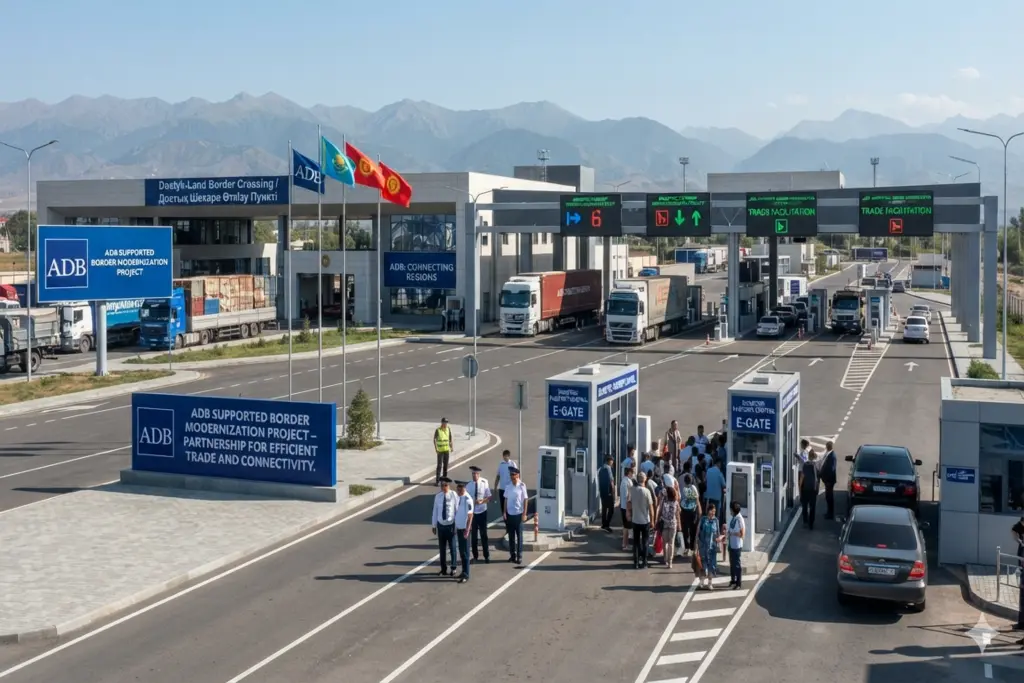
Anyone who has worked in cross-border trade in Pakistan knows the frustration of seeing trucks waiting at land checkpoints for hours and sometimes days. That frustration might finally start to ease. The Asian Development Bank has announced a $400 million package for modernization of border infrastructure across the CAREC region, with Pakistan being one of the key beneficiaries.
What the ADB Money Actually Funds
According to the official announcement, this money is being channeled through the Asian Development Bank’s (ADB) BUILD program and will benefit all 11 CAREC member countries and not just Pakistan. That list includes Afghanistan, China, Kazakhstan, Uzbekistan and a few other countries bound together through years of regional cooperation. The plan calls for upgrades to road and rail crossing points, the introduction of digital inspection tools and the replacement of outdated screening equipment. “In simple terms, the manual paperwork and the long queues that traders face today should be gradually replaced by faster, automated processing.
Why It Matters for Pakistani Traders and Small Businesses
Pakistan’s small and medium businesses are often the hardest hit by border delays. For a crossing such as Torkham, a truck held up an extra day means extra fuel costs, demurrage charges, and occasionally spoiled or delayed goods. If these upgrades happen as planned, there are real benefits for traders, like:
•Reduced waiting time for trucks at land borders.
Clearance on lower fuel and storage costs.
•Enabling smaller exporters to participate in cross-border trade.
•Stronger trade ties with the markets of Central Asia and China.
This move also coincides with what Pakistan’s own Federal Board of Revenue has been trying to do locally—push customs processes toward digital systems rather than paper-heavy procedures.
The Broader Regional Context
The CAREC framework itself is not a new one. It has linked Pakistan with Central Asia for years, with neighboring economies mainly through policy dialog and smaller projects. What makes this fund special is its direct focus on physical infrastructure and technology at the border itself, backed by an organization like the Asian Development Bank, as opposed to more generic economic planning that takes years to come to fruition.
Pakistan Companies Quick Checklist
•Watch for FBR announcements on new customs procedures.
•Look for the implementation of digital systems at the main land ports.
•Sort your paperwork early, because even in automation good paperwork is still necessary.
•If your business is dependent on overland transport, look at Central Asian trade routes.
Conclusion
Funding approval does not mean border delays will end overnight. But it’s a big step toward faster, more predictable trade routes for Pakistani businesses that for years have been hampered by needless bottlenecks. Knowing what’s happening at the land border with these kinds of changes would really help traders to plan and make savings.