




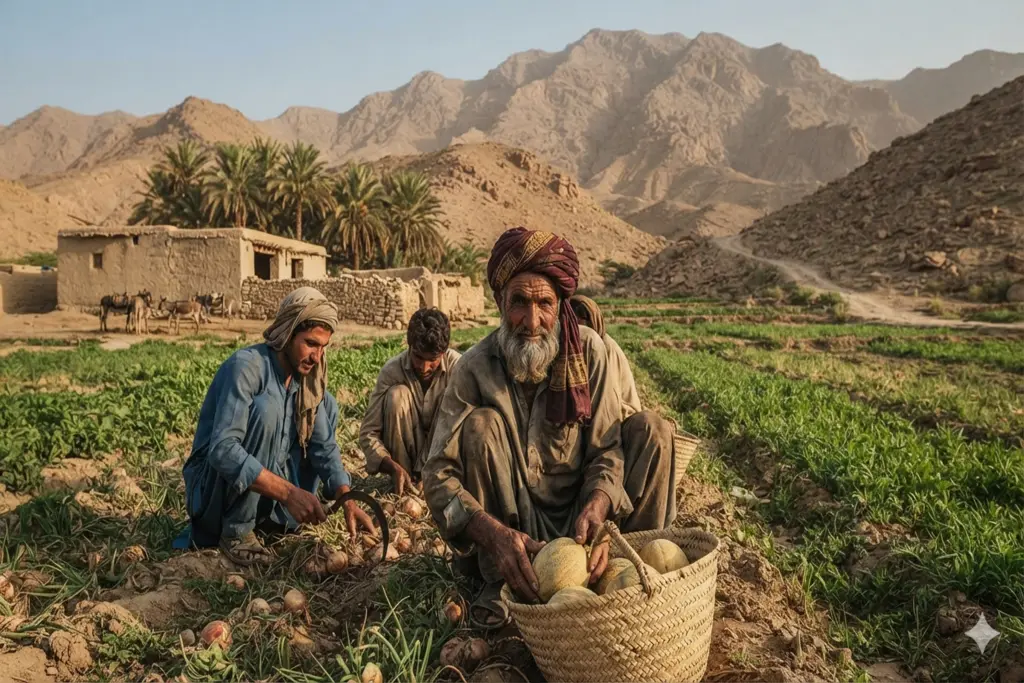
Something had to give in Balochistan’s farming districts, and this week it did, though not in the way many expected. Instead of marching on Islamabad, the Pakistan Kissan Ittehad sat down with the provincial government and agreed to wait. But the group’s central demand hasn’t softened at all: they want CM Sarfraz Bugti to declare an agricultural emergency, and they want it soon.
Why the March Got Called Off
Kissan Ittehad chief Khalid Baath had already announced the plan. Caravans were supposed to leave Quetta and head toward the capital, joined along the way by growers from other provinces. Then, just before it began, a delegation from the Balochistan government showed up. Provincial Minister Ali Madad Jattak led the talks, and MPA Mir Jahanzeb Mengal also sat in. It was Home Affairs Adviser Babar Yousafzai who later confirmed the details to the press. What came out of that meeting was a promise, nothing signed, nothing legislated, just an assurance that farmers’ demands would be looked into properly. Baath accepted it, citing the tense security situation across the country as another reason to hold off.
What “Agricultural Emergency” Actually Means Here
This isn’t the first time Kissan Ittehad has used this phrase. Farmers’ leaders have raised it before, most recently when pushing the federal government on wheat and cotton support prices. In Balochistan’s case, it means putting agriculture ahead of everything else on the development list, at least until growers can recover from years of losses. Baath also used his press conference to criticise Punjab CM Maryam Nawaz over agricultural policy, even demanding her resignation, a sign of how far this movement now reaches beyond just Balochistan.
How This Affects People Beyond the Farms
- Small farmers often have no real access to formal banking or insurance
- Most rely on mobile phones, not government offices, for weather and price updates
- Deputy commissioners in some districts can’t even reach their offices because of law and order issues
- Diesel and electricity costs keep climbing, and tube wells often sit idle, a problem flagged in earlier Kissan Ittehad protests over solar funding
- Inflation hits food prices for everyone, not just people living in farming areas
What to Watch and Do Next
- Follow official statements from the Balochistan Home Department for updates on any relief plan
- Farmers should keep records of crop losses and input costs in case compensation talks move forward
- Local buyers and traders can help by paying fair prices instead of waiting out the uncertainty
- Anyone tracking the wider movement should note that Punjab’s farmers have raised similar complaints recently
Conclusion
A postponed march is not the same as a resolved problem. Balochistan’s farmers have given the government room to act, but that room won’t stay open forever. If the promises made this week turn into an actual agricultural emergency declaration, it could mark a real shift for the province. If not, this same story will likely repeat itself before long.