

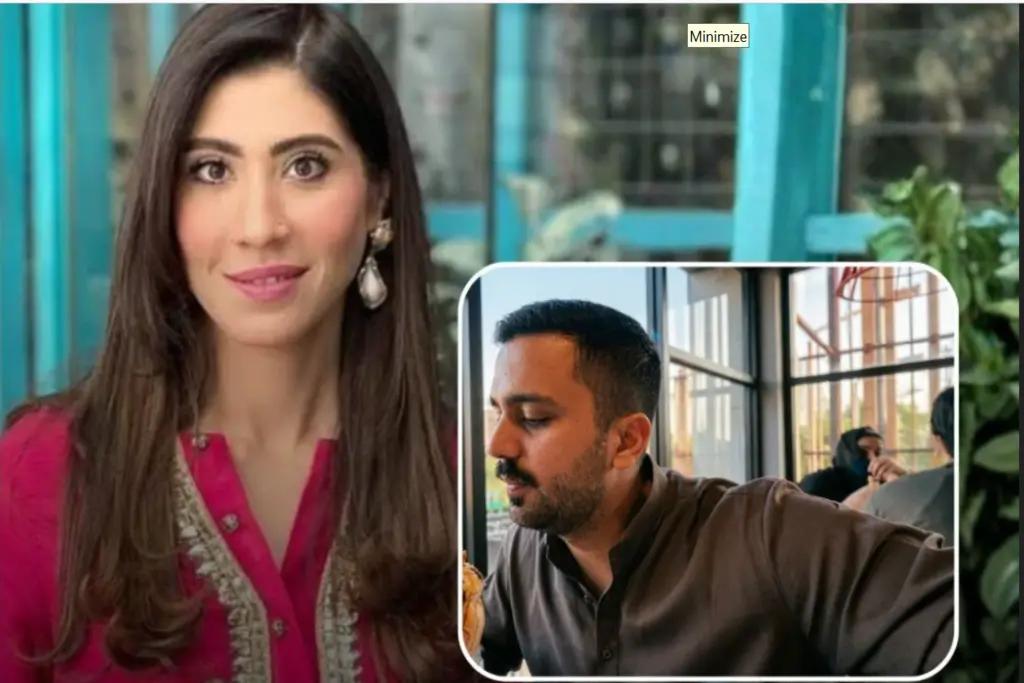
The Pakistani internet is in full swing with an intense back-and-forth between the political and social media celebrity arenas. In the latest twist that has attracted thousands of viewers, Hina Parvez Butt, the leader of the Pakistan Muslim League (Nawaz) (PMLN), lashes out against Rajab Butt over a recent video by the popular YouTuber in a local restaurant. This incident has caused a frenzy about the ethics of social media, right to privacy, and the responsibilities of being a social media influencer.
The Origin of the Conflict: Rajab Butt’s Viral Restaurant Video
Pakistani YouTuber and social media celebrity Rajab Butt recently released a video in a restaurant. The influencer’s aim was to promote his lifestyle or engage with viewers, but many have found the video offensive and a violation of privacy for the restaurant and its customers. In the digital era, “pranks” or “vlogging” in public places can walk a narrow line between comedy and molestation.
Rajab’s video swiftly went viral, but for all the wrong reasons. Some observers noted that the conduct in the video was not particularly civil and disrespected the personal space of other customers at the restaurant.
‘No Shame, No Sense’: Hina Parvez Butt Slams Rajab Butt
The issue escalated when Hina Parvez Butt, a leading political influencer with a strong X (formerly Twitter) following took to social media to make her stance known. She said, “No Shame, No Sense”, condemning the influencer’s shenanigans.
When Hina Parvez Butt calls out Rajab Butt, she is not just chiding a person but she is pointing to a disturbing trend in Pakistan where “views” have become more important than values. Her stance struck a nerve with many who believe that influencers are often guilty of going the extra mile for views. The politician stressed that public figures have to be responsible and respect public property.
Public Reaction and the Ethics of Content Creation
The incident has created a social media debate. Supporters of Rajab Butt argue that “vloggers” (YouTubers) are targeted by the “elite”, while others agree with Hina Parvez Butt that “vlogger culture” is growing and becoming more toxic in Pakistan.
This incident involves legal and ethical issues with digital media. The Prevention of Electronic Crimes Act (PECA) established by the Pakistani Government says that illegal recording or harassment of electronic media is a crime. Similarly, the Pakistan Electronic Media Regulatory Authority (PEMRA) monitors content that is against social norms, but their control over independent YouTubers is yet to be legislated.
READ: More Informative Content