




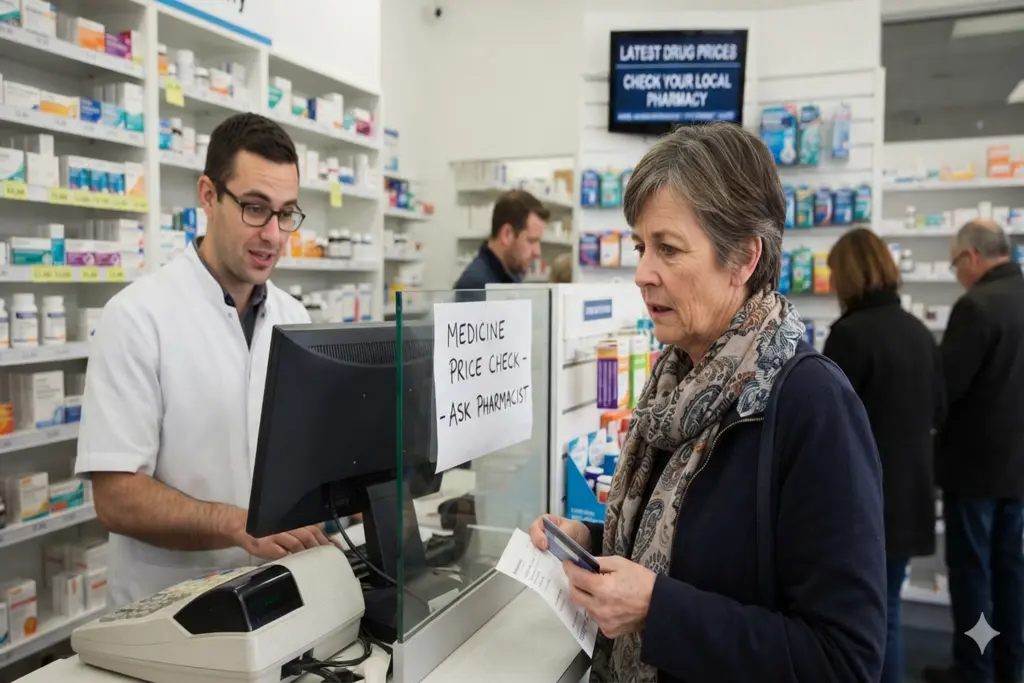
For families across Pakistan, whose lives depend on regular medicine for a parent suffering from diabetes or a relative struggling with cancer, a price approval sitting in a file in Islamabad is not just bureaucracy. It’s the difference between a drug being on the pharmacy shelf or not. The government has now approached Prime Minister Shehbaz Sharif’s approval to fix the prices of 52 life saving medicines and the outcome will have a direct impact on how these medicines reach the patients this year.
Why the Government Needs PM’s Approval
Health Minister Syed Mustafa Kamal and Finance Minister Muhammad Aurangzeb would brief the prime minister for onward submission to the federal cabinet. The prices of all 52 medicines had already been approved by the Cabinet Committee on Drug Pricing on July 24, on the recommendations of the Drug Regulatory Authority of Pakistan (DRAP) Pricing Committee and Policy Board. But the committee’s approval is not the last word. According to Pakistani law, the cabinet must approve and the DRAP must notify the official maximum retail price before the new medicine can be legally sold.
Dozens of newly registered treatments are in limbo, approved on paper but not available in chemist shops.
Which medicines are involved?
The 52 medicines under review address some of the most serious health issues facing Pakistani families, including:
•Cancer therapies
•Diabetes management medications
•hemophilia medicines
•Treatment of Parkinson’s Disease
•Drugs for autoimmune diseases
•Medications for Blood Clots and Clotting Disorders
•Intensive care drugs and severe infection
•Emergency Treatment-Medicine
The government is also reviewing hardship cases separately where manufacturers have asked for price increases on essential items like influenza vaccines and morphine used to relieve cancer pain, saying they are struggling to supply them at current rates.
What This Means for Regular Families
In a country where health insurance coverage is limited and most health care spending is out of pocket, decisions about medicine pricing carry special weight. Needed drugs are not available on the market because of delays in cabinet approval, forcing patients to often seek costlier imported alternatives or sending families between cities to look for stock.
Quick List for Patients and Caregivers
•Ask your doctor or pharmacist if the medicine prescribed to you is a newly registered drug awaiting price approval.
•For updates on maximum retail prices, check official notifications by DRAP.
•Do not buy unregistered or suspiciously cheap alternatives from untrusted sources.
•Where it is medically appropriate, keep a small supply of essential medication, particularly for chronic conditions.
•Stay tuned to your trusted local news for updates on the cabinet decision.
Concluding thoughts
The fate of these 52 drugs now lies in how quickly the federal cabinet moves once the prime minister gives the green light. This isn’t some far-off policy argument; it’s whether the next dose is available at the local pharmacy for patients who live with cancer, diabetes or disorders of the blood. Meanwhile, families are advised to stay in close touch with their healthcare providers and monitor official updates from DRAP until the approval comes through.