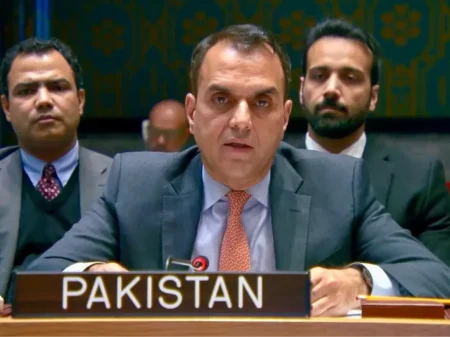


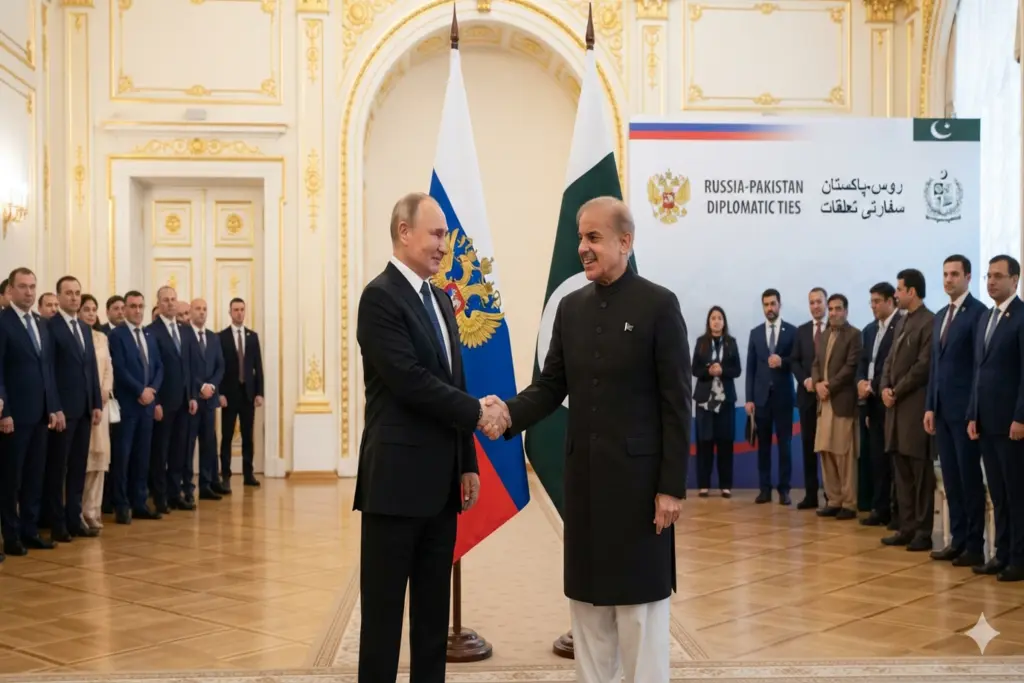
On July 22, Manila hosted more than just another round of ASEAN diplomacy. Russian Foreign Minister Sergey Lavrov and Pakistan’s Deputy Prime Minister and Foreign Mohammad Ishaq Dar sat down for bilateral talks on the sidelines of the ASEAN Regional Forum, adding another chapter to a relationship that has been quietly building momentum over the past year.
Why Manila, and Why Now
The Philippines is chairing ASEAN in 2026, which is why its capital became the venue for a packed week of ministerial meetings, including the Russia-ASEAN Ministerial Meeting, the East Asia Summit, and the ASEAN Regional Forum itself. Foreign ministers from major powers, including the United States, China and Russia, along with dialogue partners like Pakistan, travelled to Manila between July 21 and 23. For local observers, it was a rare moment when the city sat at the centre of Asia-Pacific diplomacy rather than on its edges.
A Relationship That Keeps Showing Up on the Sidelines
This was not the first meeting between the two officials this year. Lavrov and Dar have held direct talks and phone calls on more than one occasion in 2026, including on the sidelines of the Shanghai Cooperation Organisation’s Council of Heads of Government meeting. Those earlier conversations touched on strengthening bilateral mechanisms, coordinating positions at forums like the United Nations and the SCO, and plans for a visit by Pakistan’s Prime Minister Shehbaz Sharif to Russia. The Manila meeting fits that same pattern of steady, sideline diplomacy rather than a single dramatic breakthrough.
What Typically Comes Out of These Meetings
Based on the pattern of past Lavrov-Dar engagements, meetings like this one usually cover a similar set of themes:
- Reviewing the overall state of Russia-Pakistan relations
- Discussing cooperation at multilateral platforms such as the UN and SCO
- Exchanging views on regional security issues, including developments involving Iran, Afghanistan and South Asia
- Reaffirming interest in stronger economic and trade ties
- Coordinating on upcoming high-level visits between the two countries
Why This Matters Beyond the Two Countries
Russia used the Manila gathering to press its broader message to ASEAN and its partners about regional security architecture in the Asia-Pacific, while Pakistan used the forum to hold a string of bilateral meetings with other foreign ministers present in the city. For a middle power like Pakistan, these sideline meetings are often as important as the main summit agenda, offering a low-cost way to keep major relationships active without a separate state visit.
What to Watch Next
- Whether a formal readout or joint statement follows from either foreign ministry
- Any update on Prime Minister Shehbaz Sharif’s long-discussed visit to Russia
- Further Lavrov meetings in Manila, including a possible sit-down with the US Secretary of State
Conclusion
The Lavrov-Dar meeting in Manila is best understood as routine but meaningful diplomacy. It does not signal a dramatic shift in Russia-Pakistan relations, but it confirms that both sides continue to treat regular high-level contact as a priority, using every major multilateral gathering as an opportunity to keep the relationship active. For those tracking South Asian and Eurasian diplomacy, the real story is the consistency, not a single Manila meeting.
References