


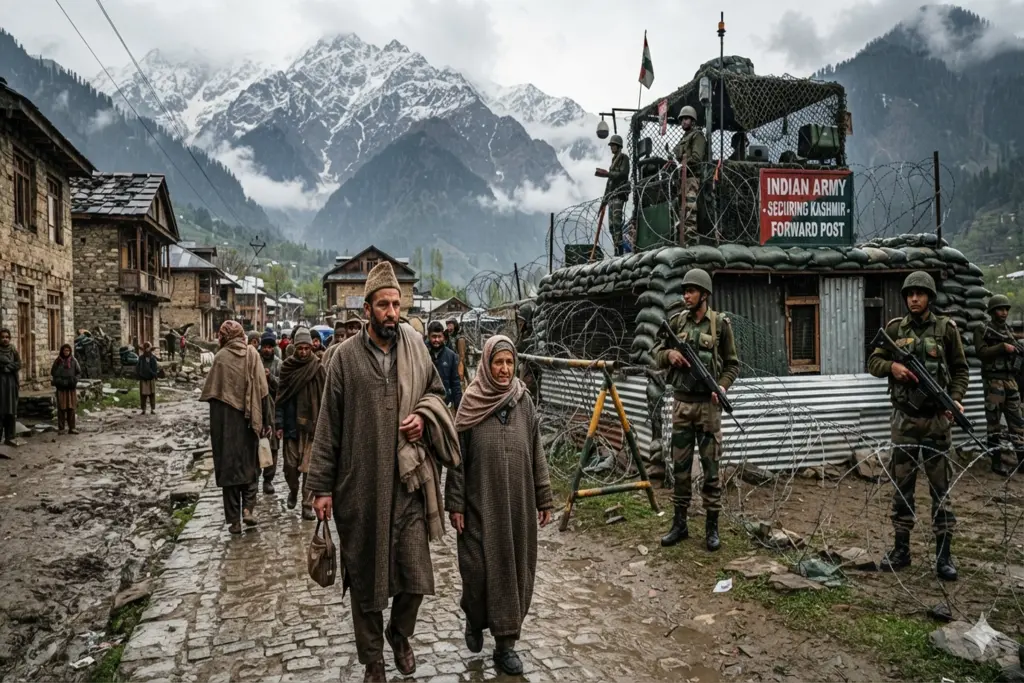
Deadly protests in Pakistan-administered Kashmir since June 2026 have drawn the attention of the world, and the United Nations has stepped in. This is no longer a local story, with dozens of lives lost and a regional election just days away. It’s a test of accountability with consequences for human rights, regional stability and how governments respond to dissent.
What caused the unrest?
The protests organised by a local group, the Jammu Kashmir Joint Awami Action Committee or JAAC, were in response to rising prices of food and utilities. This group was a coalition of traders, farmers and activists of civil society. It became a legal battle for Kashmiri refugees to secure seats in the legislature, an issue of identity and representation in the region that is sensitive over time.
Why the Death Toll Continues to Rise
International media reports said at least 31 people have been killed in the clashes since June. One of the worst incidents happened in the Poonch division on July 14 when security forces tried to remove roadblocks ahead of a planned “long march” to Muzaffarabad. Seven civilian activists and two police officers were among those who died that day. Local officials defended the response, saying security personnel responded after a convoy was blocked and attacked. But supporters of JAAC say the group has gone on organising under a ban imposed using anti-terrorism laws.
The UN’s role
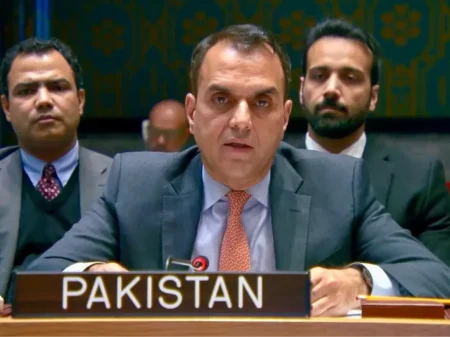
UN High Commissioner for Human Rights, Volker Turk, has called for calm and for authorities to urgently and thoroughly investigate all deaths linked to the unrest on both sides. The fact that there has been a direct appeal from Geneva shows that the world community is taking the developing situation seriously, especially with a vote by the legislative assembly planned for July 27.
What it Means for Your Average Reader
The unrest is already impacting the day-to-day life of families in the area with disruptions to travel, closure of schools and economic uncertainty surrounding the election period.
Quick hit list for those tracking or impacted by the situation:
•Watch for safety announcements from credible local news agencies and official government announcements.
•Steer clear of places where marches or roadblocks are reported, especially around election dates.
•Check with local authorities before travelling through affected districts.
•Track updates by the UN Human Rights Office on independent investigations.
•Be cautious of unverified news spreading on social media during periods of unrest.
Conclusion
The turmoil in Pakistan-administered Kashmir is a reminder that political grievances, economic pressure and questions of representation can quickly spiral out of control if left unresolved. As the region heads into its election, the call for an independent investigation offers a way to accountability – if it is heeded. What is needed now is calm, transparency and credible answers.
References: