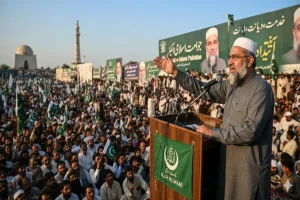


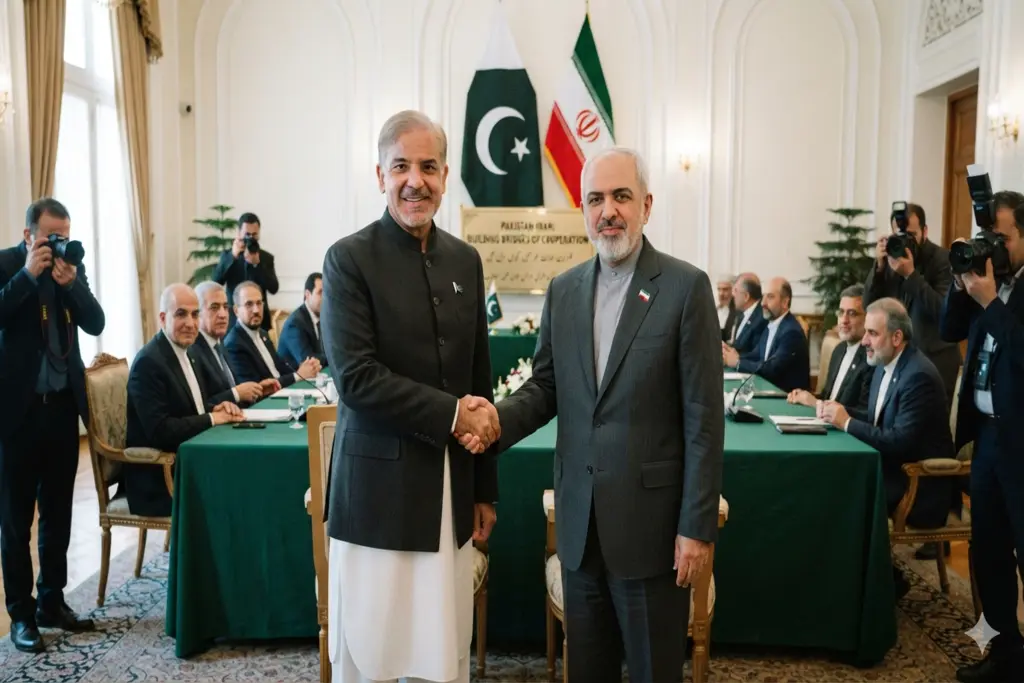
Once again Pakistan is at the centre of one of the world’s most fraught diplomatic stand-offs. National Assembly Speaker Ayaz Sadiq has invited Iran’s parliament speaker Mohammad Bagher Ghalibaf and Foreign Minister Ishaq Dar and his counterpart Abbas Araghchi to Islamabad for emergency talks. For the average Pakistani watching the news, this could be just another diplomatic headline. But it also speaks to something far bigger: Pakistan’s increasing role as a conduit in a struggle that could send oil prices, trade routes and regional security crashing closer to home.
This invitation to Pakistan is important
The invitations came a day after US President Donald Trump said he had called off planned military strikes against Iran after allies including Saudi Arabia, the UAE and Qatar asked him to pause. Pakistan is the principal point of contact between Iran and Washington, the Iranian foreign ministry has publicly stated, a role Islamabad first took on during the Islamabad Talks earlier this year.
This is significant for ordinary households in Pakistan too. Pakistan shares a long border with Iran through Balochistan and any escalation in the Gulf directly impacts prices of fuel, cross border trade and safety of workers and traders in border towns like Taftan and Panjgur.
What Led Us to This Place
•Prior to scrapping the plan, Trump had threatened the “biggest attack since World War II” on Iran.
•Iran has been in talks with Oman about the future of the Strait of Hormuz, through which much of the world’s oil passes.
•Earlier, Pakistan and Qatar had proposed a ceasefire plan during the 13-day tense standoff between the US and Iran.
•Dar and Araghchi had already spoken face-to-face on the phone before the formal invitation was extended.
Pakistan’s Balancing Act
Pakistan has tried to play its mediating role in a low-key and cautious manner. A senior government official said the country’s approach is to keep a “relatively low profile” and do quiet diplomatic contact behind the scenes. That’s a strategy on purpose. Pakistan has good relations with both Tehran and Washington and a slip could damage either relationship at a sensitive moment.
What This Means For The Future
•If Ghalibaf and Araghchi accept the invitation, Islamabad will most likely host high-level talks similar to the past Islamabad Talks.
•Better Iran-US relations would ease pressure on oil supplies in the region, which would affect fuel costs in Pakistan.
•“The continued instability could affect trade and cross-border movement in Balochistan.
•If talks succeed, Pakistan could burnish its reputation as a credible regional mediator.
Conclusion
An itinerary for Ghalibaf and Araghchi visit to Pakistan has not yet been made, but the invitation itself reflects that Islamabad is not shying away from its role as a mediator amid the delicate tensions between Washington and Tehran. For Pakistanis, the outcome of these talks could determine everything from the price of fuel to trade at its borders in the coming months, making this much more than a diplomatic courtesy.
References: