


The US and Iran have agreed to extend their ceasefire ahead of the looming August 17 deadline, in a huge diplomatic deal for global geopolitics and Middle East peace, which has been pushed through by Pakistan after tireless efforts. Diplo-official sources said both sides in Washington and Tehran have shown interest in extending the 60-day truce set under the Islamabad Memorandum of Understanding.
The landmark pact arrived at a pivotal moment when the regional situation had cast doubts on the viability of diplomacy, and both parties sought to rescue the uneasy détente by engaging in a fresh round of talks via international third parties.
Background of the Islamabad Memorandum and Recent Escalations
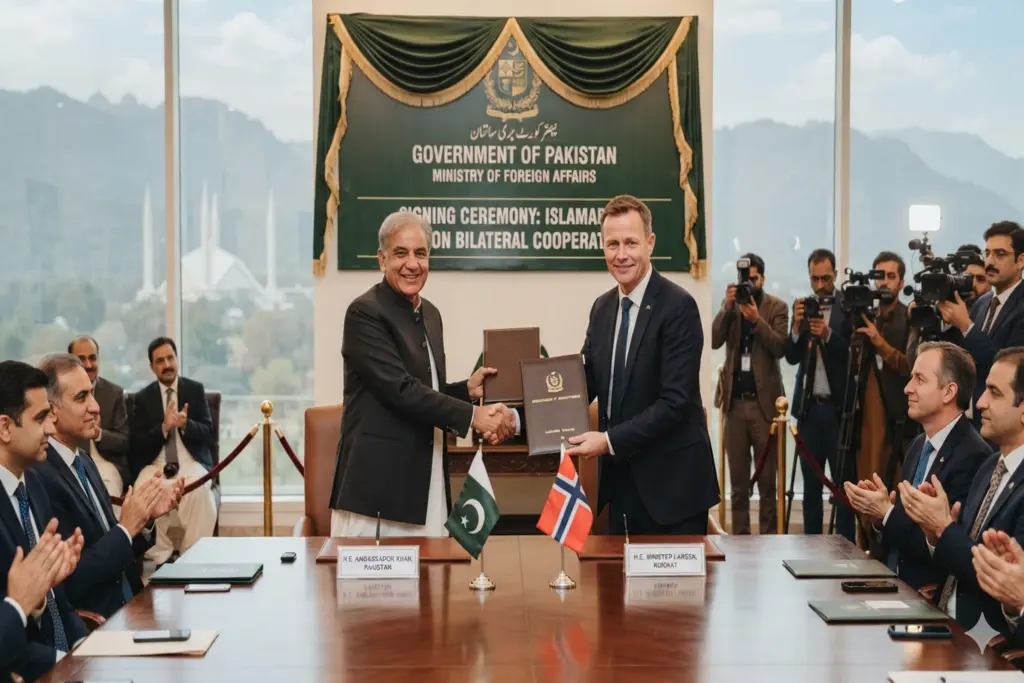
In April, Pakistan made a first step to fill the huge gap between Washington and Tehran and allowed a specious ceasefire. This culminated in the formal signing of the Islamabad Memorandum of Understanding on June 17, 2026 which pledged a 60-day military de-escalation, opening of commercial maritime lanes in the Strait of Hormuz, and a plan for continued conflict-resolution dialogues.
But in July, differences over naval procedures and security pledges risked putting the truce in jeopardy. The diplomatic impasse led to a short period of kinetic exchanges between July 8 and July 24, which included targeting of some parts of Iran by U.S. forces, and counter-drone drills by Iranian forces against U.S. military facilities in allied countries in the Gulf. The conflict almost triggered a wider multi-front war in the region when Pakistani backchannel diplomacy stepped in to prevent that.
Pakistan’s Strategic Diplomatic Intervention
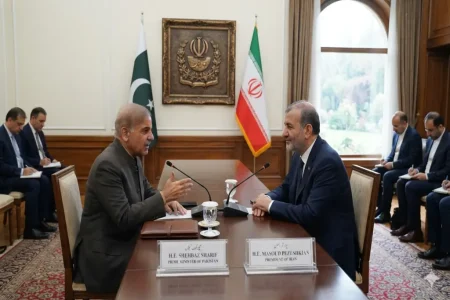
With the August 17 deadline approaching, top Pakistani missions stepped up shuttle diplomacy efforts. Interior Minister Syed Mohsin Raza Naqvi had made an emergency visit to Tehran to meet Iranian President Masoud Pezeshkian and Foreign Minister Abbas Araghchi, whereas the Foreign Office’s spokesman confirmed that the talks between the two countries were ongoing through direct and indirect communication channels.
The new ceasefire extension has been agreed to provide both super powers with more political space to work out the fundamental issues:
Security Guarantees: Making mutual guarantees of mutual non-aggression to prevent inadvertent miscalculations in the Persian Gulf.
Maritime Safety: Safe passage for commercial shipping and energy tankers moving through the important chokepoints in the Strait of Hormuz.
Discussing economic sanctions and compliance parameters in a phased manner through Sanctions Relief Frameworks.
Impact on Global Markets and Energy Security
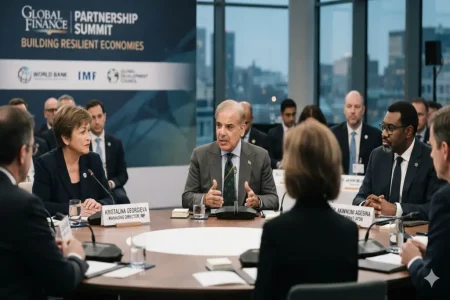
The continuation of the truce under the Islamabad framework has brought immediate relief to volatile global energy markets. During the height of the July military spikes, benchmark Brent crude prices surged by over 30%, touching a punishing $95 per barrel and reigniting global inflationary pressures.
With the diplomatic track preserved and the truce extended, supply chain anxieties have moderated, offering a much-needed macroeconomic cushion to net-importing nations across South Asia and beyond.