


Two thin strips of water thousands of kilometers away from Karachi could determine how much you will pay for petrol and electricity this year. Renewed conflict around the Strait of Hormuz and the Bab el-Mandeb corridor has cut off shipping lanes carrying most of the world’s oil and gas, and Pakistan, which relies heavily on imported fuel, is directly in the line of fire.
Why These Two Waterways Are So Important
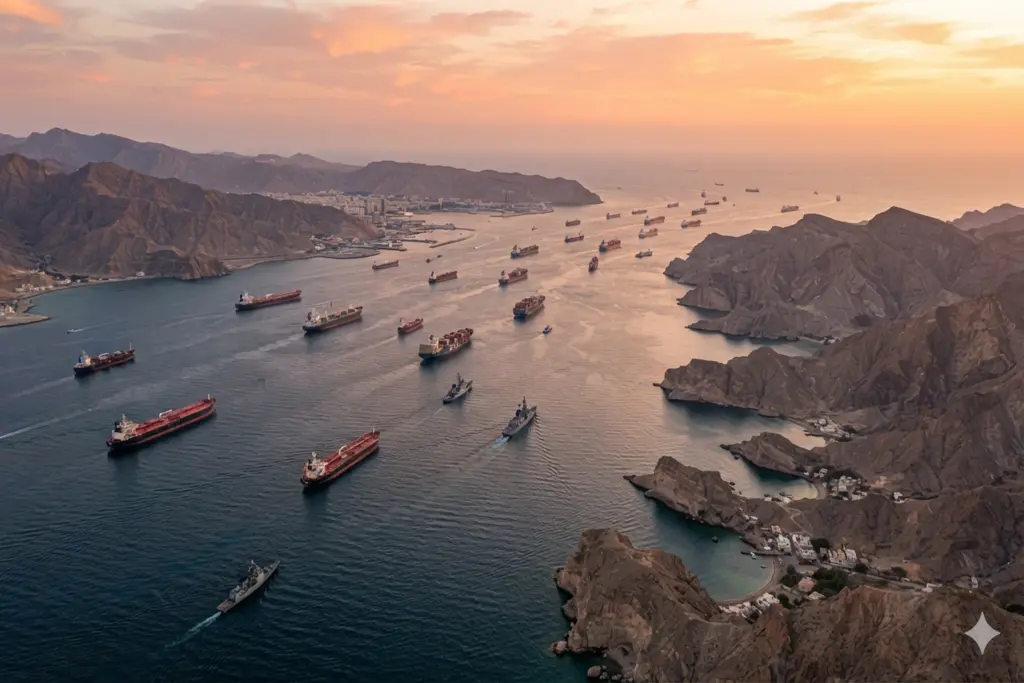
The narrowest part of the strait, between Iran and Oman, is just 33km across but it carries around one-fifth of the world’s oil every day. Bab el-Mandeb at the southern tip of Yemen is a key passage for tankers heading for the Suez Canal connecting the Red Sea and the Indian Ocean. If either passage becomes unsafe, ships either wait, go around Africa or stop sailing altogether. Any of these outcomes will push up freight costs, insurance premiums and ultimately the price you pay at the pump.
How This Directly Impacts Pakistan
Pakistan imports most of its crude oil and LNG from Gulf suppliers like Qatar and the UAE, and a large chunk of it makes its way through Hormuz. Disrupt the strait and you disrupt Pakistan’s energy security. This is not a distant headline; it is felt at home through:
•Rise in petrol and diesel prices at the pumps.
More expensive LNG, which can mean longer gas load shedding hours in winter.
•Hike in fares of transport such as buses, rickshaws and trucks carrying daily goods.
•Higher electricity bills because most of Pakistan’s power still runs on imported fuel.
•The rupee is under pressure as the government spends more dollars on oil imports.
What the government is up to
Pakistani officials have been discussing a broader energy security policy, including talks with Qatar for regular gas shipments and efforts to find oil suppliers outside the Gulf. These steps are important, but they take time, and ordinary households usually feel the price shock before any relief plan gets there.
What Families and Small Businesses Can Do Now
•Steer Clear of Rumors: Follow OGRA Notifications or Trusted News Apps for Fuel & Gas Price Updates.
•Reduce discretionary fuel use and bundle errands where possible.
•Small business owners should look at fuel-dependent costs and build a short-term cash buffer.
•Store emergency savings in mobile wallets like JazzCash or Easypaisa.
•If load-shedding becomes regular, look at solar options; even a small home setup helps.
Conclusion
The tensions around the Strait of Hormuz and Bab el-Mandeb may seem like a distant geopolitical story, but for Pakistan, they translate directly into fuel bills, gas queues and transport costs. In the meantime, the most feasible form of protection, until long-term policy catches up, is to diversify energy sources and build household buffers today.