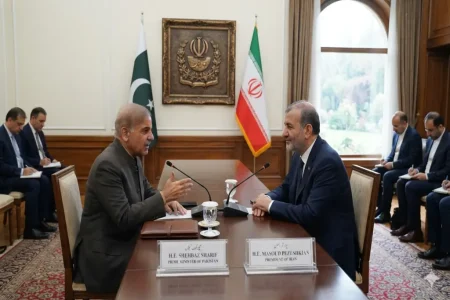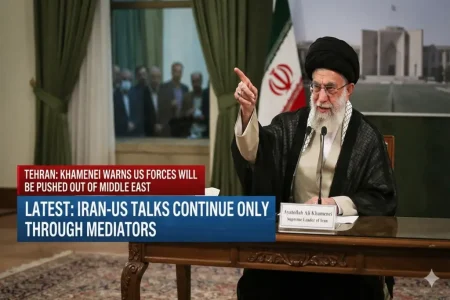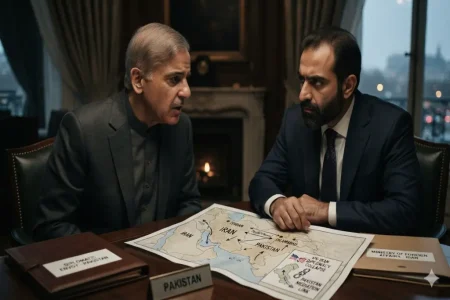



For ordinary Pakistanis watching fuel prices and Gulf headlines with equal worry, the news from Mashhad matters more than it might seem at first glance. Pakistan’s Interior Minister Mohsin Naqvi sat down with Iranian Foreign Minister Abbas Araghchi for a second straight day of talks, just twenty-four hours after their earlier meeting in Tehran. The timing is critical. A fragile ceasefire between the United States and Iran is due to expire on August 17, and Islamabad is working overtime to keep the peace process alive.
Why This Meeting Matters to Pakistan
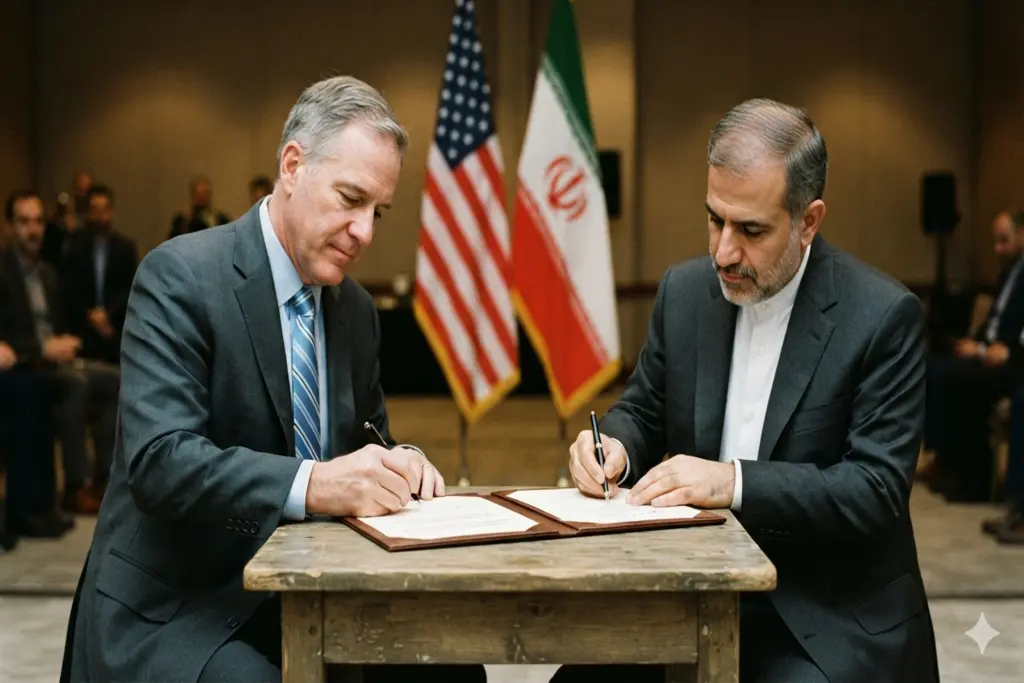
Pakistan is not a bystander in this conflict. Along with Qatar, it helped broker the original truce back in April and later supported the Islamabad Memorandum of Understanding signed in June. When fighting flared again between July 8 and July 24, with strikes hitting targets inside Iran and Tehran responding against facilities in Jordan, Bahrain and Kuwait, Pakistan’s mediation role became even more important for regional stability.
For Pakistani households, a wider Gulf conflict is not an abstract worry. It threatens oil supplies, shipping through the Strait of Hormuz, remittances from workers in the Gulf, and fuel prices at home. That is why the outcome of the US-Iran ceasefire extension talks carries direct weight for everyday budgets.
What Was Discussed in Mashhad
Naqvi’s visit to Mashhad combined diplomacy with religious duty, as he also paid respects at the shrine of Imam Reza. Alongside Araghchi, he met Iran’s Supreme National Security Council Secretary Mohsen Rezaei, who praised the growing role of Prime Minister Shehbaz Sharif and Field Marshal Asim Munir in regional matters. Naqvi also briefed Iranian officials on Pakistan’s new defence pact with Saudi Arabia and Turkiye, describing it as defensive rather than aimed at any single country.
Quick Points for Readers to Follow
- Ceasefire deadline: August 17, 2026.
- Talks held in both Tehran and Mashhad within 48 hours.
- Both the US and Iran have reportedly agreed in principle to extend the truce.
- Exact extension period still being negotiated through mediators.
- Pakistan continues urging restraint and dialogue from all sides.
What Comes Next
Diplomats on both sides have signalled openness to extending the ceasefire, though the final duration remains under discussion. Pakistan’s continued shuttle diplomacy between Tehran and Washington’s channels shows how seriously Islamabad is treating this crisis, both as a matter of regional Islamic solidarity and as protection for its own economic interests.
Conclusion
As the August 17 deadline approaches, Pakistan’s mediation efforts in Mashhad and Tehran remain one of the few active bridges keeping the fragile US-Iran ceasefire alive, and the coming days will show whether that bridge holds.