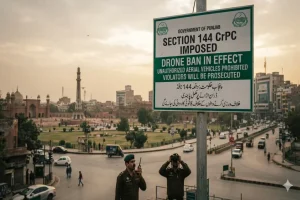


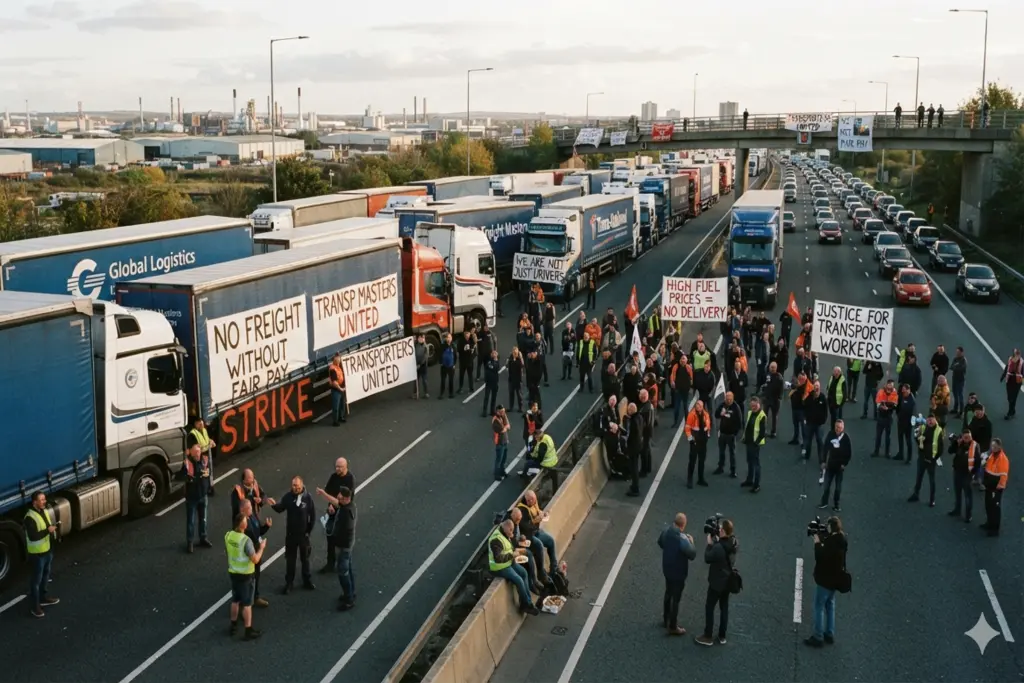
As the country gets dressed up with flags and green-and-white bunting in readiness for August 14, thousands of trucks, trailers and oil tankers remain parked on highways instead of carrying goods. The strike by transporters in Pakistan enters the sixth day and a new round of government talks in Karachi has become the last real chance to bring an end to the standoff before Independence Day.
What is really happening?
Members of the All Pakistan Goods Transport Owners Association, including truck owners, trailer operators and oil tanker drivers, stopped their vehicles after earlier talks with federal officials broke down over unfulfilled demands. This is not a small-town protest. This includes cargo trucks, container ships and fuel tankers in all the provinces. Ordinary households, buying flour, cooking oil, medicine and fuel at the local kiryana store, feel the knock-on effect.
Why the Karachi Talks Are Important
Karachi: Transporters’ representatives are likely to meet a delegation of the government, which includes the Federal Minister for Ports and Shipping and the Sindh Transport Minister. Transporter leader Muhammad Owais Chaudhry has spelt out the association’s stand. This time verbal assurances won’t do. Only firm, written commitments on their core demands, mainly diesel pricing, withholding tax relief and protection from vehicle confiscation, will trucks be back on the road.
Why this Strike Seems Different for Ordinary Pakistanis
A wheel-jam strike directly hits supply chains, not a normal labor dispute. In a country where most families still shop at local markets rather than online delivery apps, delayed cargo means:
•Higher prices of perishable goods, such as vegetables and cooking oil.
•Small businesses that rely on daily stock are seeing deliveries delayed.
•Fuel tanker shortages lead to long petrol queues at local pumps ‘quietly’ lengthening.
•Pressure on daily-wage transport workers who lose income during the stoppage.
What can consumers and small traders do?
•Watch the local news or WhatsApp business groups for updates on the strike resolution.
•”Don’t stockpile essentials; it just makes shortages worse for everyone.”
•Small traders can diversify their suppliers so as to reduce dependence on a single transport route, where possible.
Follow official statements of the Ministry of Communications and not social media rumors.
The wider context
The real issue in this dispute is who will bear the burden of rising fuel prices and taxation in the freight economy of Pakistan: the government treasury or the already loan installment burdened transport sector on financed trucks. Until that question is answered, strikes like this one are likely to return every time fuel prices or duties change again.
Conclusion
The Karachi meeting could either break the wheel-jam strike just in time for the Independence Day celebrations or push the deadlock further into a week that is normally for national pride, not protest banners. For now, Pakistani households and small businesses should prepare for possible short-term supply disruptions as they wait to see how Thursday’s talks go.