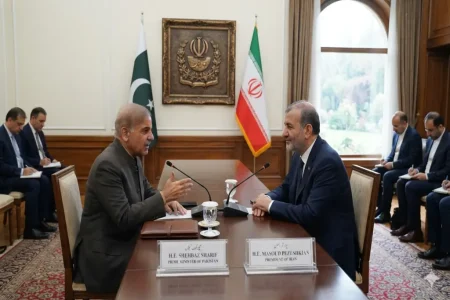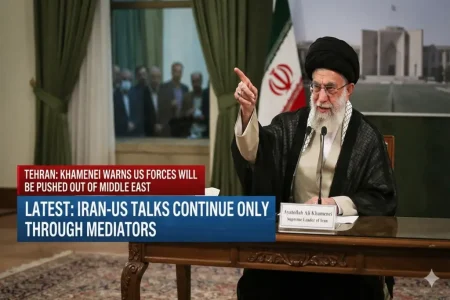

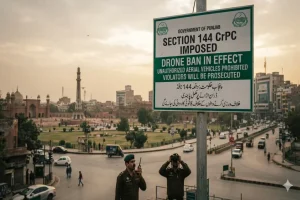



The U.S. has asked Pakistan to be more transparent about its armed forces budget. This recommendation has been made in the US State Department’s 2026 Fiscal Transparency Report on Pakistan. That has put the spotlight back on the reporting and scrutiny of defense spending.Defense spending is a huge chunk of the federal finances and so the discussion is relevant to the citizens of Pakistan. Pakistan’s defense services budget is estimated at about Rs3 trillion for 2026-27.
What the U.S. Wants from Pakistan
The US report calls for more civilian or parliamentary oversight of military spending. It also calls for the timely publication of key financial information and more detail on government debt.It is more than just the total defense spend. This is about the transparency of the presentation, scrutiny and audit of public finances.The US also said Pakistan already posts some budget documents online. The country’s published budget information gives a generally substantive picture of planned government revenues and spending, it said.
Why is transparency of defense budgets important?
Defense is a sensitive issue for any country. The government always keeps some information about operations and security secret to protect the country.But transparency does not mean disclosing military plans or sensitive capabilities. This might include giving Parliament and citizens improved information on broad categories of spending.This is a critical difference for Pakistan. It has border security challenges and militant violence. At the same time, the government has to deal with inflation, debt, development needs and limited fiscal space.
Pakistan’s military spending has increased
In recent years, Pakistan has vastly increased its defense budget. The defense services allocation for 2026-27 is higher than the original allocation for the previous year by around 17.6 percent. That’s more than 2% of projected GDP.
The government’s federal budget documents contain detailed information on a number of defense-related areas of spending. The Ministry of Finance makes these documents available online for citizens, journalists and researchers to examine government allocations.
Pakistan’s Response to the US Recommendation
Pakistan defended its current approach to fiscal transparency. A Foreign Office spokesperson, Tahir Andrabi, said, “The country works within its constitution and laws and in line with international practices.He also highlighted reforms associated with the IMF program and broader efforts to improve fiscal management.
What more transparency might look like?
Public finance transparency can allow the citizens of Pakistan to understand how national resources are being distributed.
Key actions may include:
•Timely release of budget documents.
•More transparency on spending categories.
•Improving parliamentary control.
•Independent Audit.
•Major changes in defense allocations explained.
Such steps could increase public awareness without disclosing sensitive military information.
Conclusion
This debate over Pakistan’s military budget is an exercise in pragmatic balancing between national security and fiscal accountability. So long as Pakistan is faced with security challenges, defense spending will remain relevant. Better financial reporting can help restore public trust without revealing any trade secrets.