


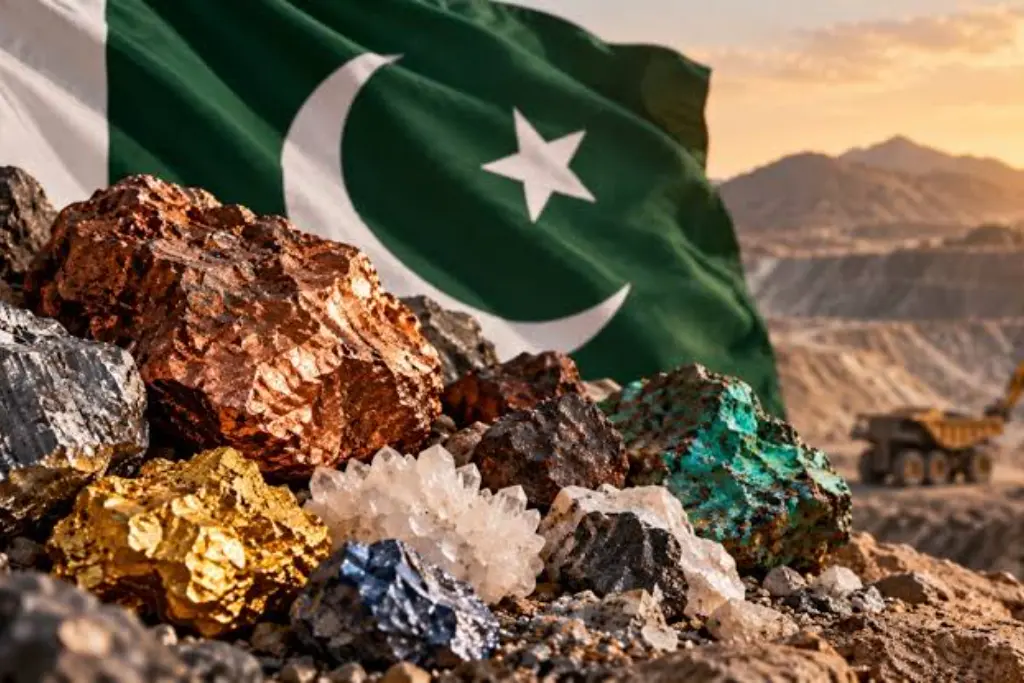
Pakistan has been talking about its enormous mineral wealth for decades. While we talk about trillions of dollars worth of resources in the mountains of Balochistan and Khyber Pakhtunkhwa, we’ve seen very little return on investment due to us only wanting to be at the bottom of the supply chain. This old ideology was challenged this week as the two day Pakistan Minerals Investment Forum 2026 (PMIF26) ended with more than 10,000 individuals from over 60 countries who signed 13 key investment deals. The country’s civil and military leaders sent a clear message that Pakistan will no longer be a supplier of raw resources and are instead shifting towards a mineral value addition industry.
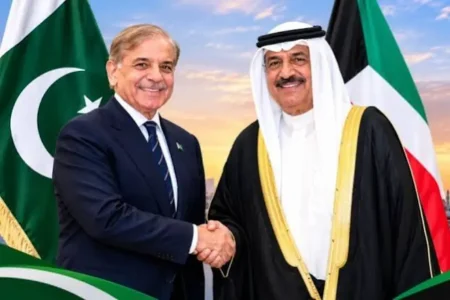
This is huge. At the end of PMIF26 Prime Minister Muhammad Shehbaz Sharif outlined a clear vision. The government will now look to build value addition centres in Pakistan whereby raw ore will be turned into end products. This will create high skilled jobs, create local knowledge and increase technology transfer. If we continue exporting raw copper and Lithium then we’re losing jobs in the country. By creating value addition centres for the refining and manufacturing process within Pakistan we’re turning mining into a permanent part of our industry. The Prime Minister referenced Goldman Sachs prediction that Pakistan could be the 6th largest economy in the world by 2075, and outlined that with discipline we could achieve this before 2050. However, this will only happen if we’re adding value in all foreign and domestic investments.
This vision was also supported by the country’s leaders’ commitment to making sure the industry is secure, stable and inclusive. The Chief of Defence Forces and Chief of Army Staff Field Marshal Syed Asim Munir outlined that building a full value chain for our minerals will be a goal for the whole country. “from potential to production, from promises to action, and from raw exports to value-added growth” This is the exact issue that has stopped Tier-1 global miners investing in Pakistan previously. Global investors don’t mind the risk of the geology, they only mind the risk of the regulations and security. The Prime Minister clearly outlined that “Your safety is our safety” giving investors confidence in the country. Field Marshal Asim Munir also highlighted that local communities within our resource rich areas need to benefit most. Without creating real social and economic benefits for the people in Balochistan and other areas with resources we won’t see any stability in our mining.
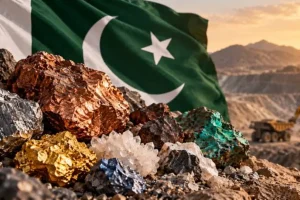
The size of the finds announced at PMIF26 are huge and have attracted the attention of global mining giants such as Barrick Mining, Ivanhoe Mines and Minmetals. The Frontier Works Organisation announced that they have found 350 million tonnes of Copper in the Dasht-e-Kain area of Chagai based on only half of their drilling data. Mari Minerals also announced their first ever find in Chagai with around 1 Billion tonnes of Copper and Gold. National Resources Limited (NRL) have also invested $100 million into the sector. This means that Pakistan’s belt has some world class resources with huge amounts of critical transition minerals such as Copper, Gold, Lithium and Antimony.
However, without good data transparency and logistics these finds won’t benefit Pakistan. The National Minerals Data Centre and GSP GeoPortal have been launched to make sure there is no gap in information. Having digitised mapping means that investors know there is less risk when looking to invest in exploration. Federal Minister Ali Pervaiz Malik highlighted the importance of upgrading infrastructure. Especially the Rohri-Nokundi railway. Without high capacity railways connecting our remote areas of Chagai to our refining centres we won’t be able to utilise our resources.
As Ahmed Hayat Lak, President of OGDC concluded the forum, he highlighted that having partners and portals is only the beginning. We need to make sure we have good execution, technical ability and clear policies. The 13 deals and Memorandums of Understanding signed at PMIF26 show a great amount of confidence from global investors however it is now up to Pakistan to deliver. From today until the next forum in November 2027 we need to show that our one stop shop processes, railways and refining incentives work. If Islamabad sticks to their promise to add value to our minerals then Pakistan will no longer sell our future by the tonne and will create an industrial economy worthy of our resources.