


Food safety in Pakistan, and this time the numbers are impossible to ignore. Basic safety tests are being failed by everyday kitchen staples like ghee, cooking oil and milk in markets across the country, according to the latest PCSIR quality tests.
What the Test Really Found
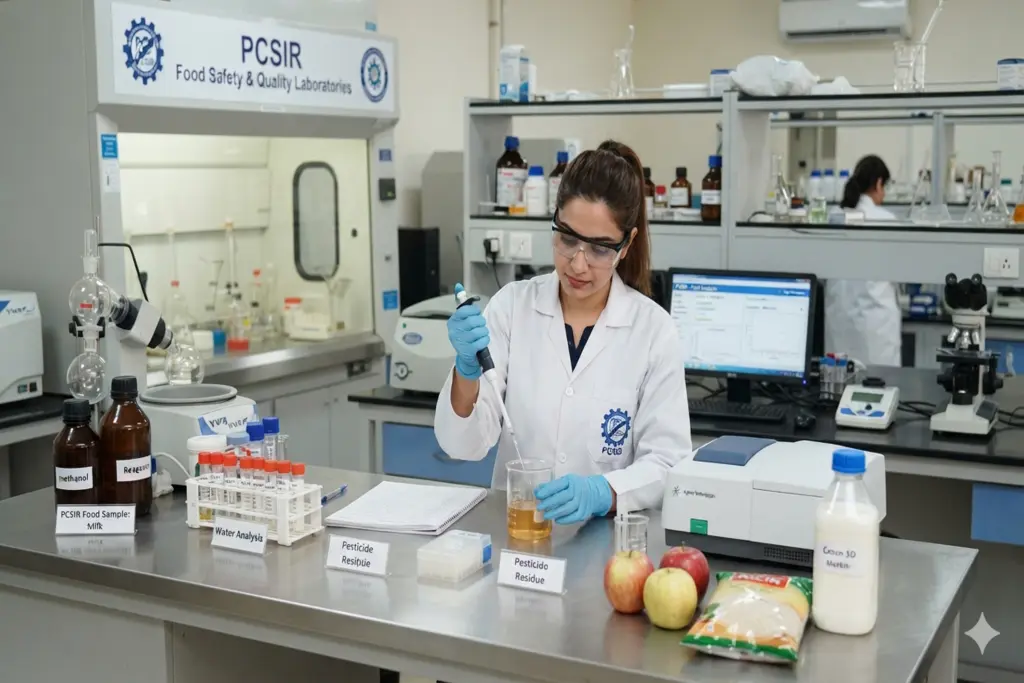
The Pakistan Council of Scientific and Industrial Research collected 491 samples of banaspati ghee, cooking oils and milk products from the four provinces. The results were reviewed by the Planning Minister Ahsan Iqbal and they showed alarming gaps. In some ghee samples, trans fat levels were nearly eight times the limit fixed by the Pakistan Standards and Quality Control Authority. Many samples had no vitamin A at all and some had high peroxide values, an indication that the oil had turned rancid.
Geographic differences tell a bigger story
The failure rates were not equal. Balochistan had the highest number of substandard samples of cooking oil and ghee followed by Sindh and Khyber Pakhtunkhwa. Punjab and Islamabad fared much better. This gap means a weaker monitoring system and supply chain in less urbanized areas, where families usually have fewer options and less access to reputable brands.
Milk Quality Also in Question
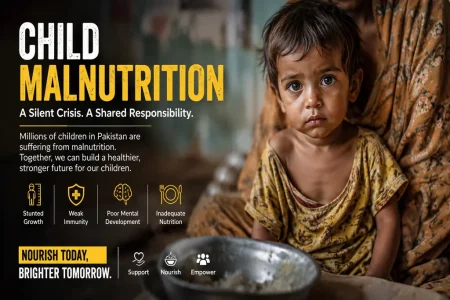
It wasn’t just the cooking oil being re-examined. The liquid milk samples in the packaged form revealed that the fat content was below the prescribed standard and the milk powder samples were found to be deficient in protein. This poses real worries for households that rely on milk for daily nutrition, particularly for children.
What It Means for Your Kitchen
Here’s a quick checklist for shoppers who find themselves in this situation:
•Purchase from visible brands that hold PSQCA certification.
•Avoid buying loose and unbranded ghee and oil sold in open containers.
•Check expiry dates and seals on packaging when you buy.
•Call the helpline of your local food authority to report suspected products.
•Ask local grocers how often they get their supplies from inspected sources.
The bigger picture
Minister Iqbal urged the regulators to take action against manufacturers, not just retailers, and conduct tests on a quarterly basis, not only in big cities but also in rural markets. He also cautioned that testing of food items like spices may bring out more problems.
Conclusion
Food safety in Pakistan cannot solely be the responsibility of the government testing. Until stricter enforcement is seen nationwide, households need to be on alert when shopping for daily essentials like ghee, oil and milk. Today, choosing certified brands and reporting poor-quality products are small steps to protect your family’s health.