


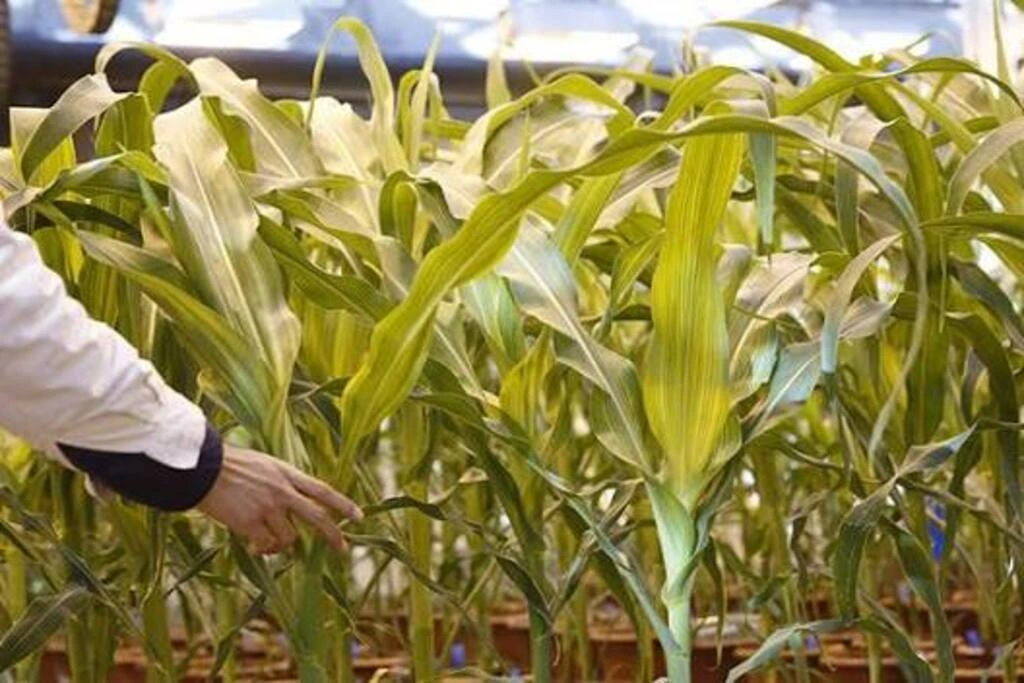
In a major development for macro-level biosafety regulation tracking, national agricultural infrastructure governance and public-sector environment optimization Pakistan’s apex biosafety regulator has convened a high-stakes legislative session to decide the commercial fate of genetically engineered crops. Officially organized on October 23, 2026 the 38th assembly of the National Biosafety Committee GMO maize evaluation panel has triggered fierce friction among environmental advocates, state scientists and global seed conglomerates over commercial cultivation licenses.
Operating directly under the Ministry of Climate Change and Environmental Coordination the regulatory body is reviewing sensitive renewal applications for insect resistant and herbicide tolerant seed variants developed by multinational firms Corteva and Bayer. Agricultural policy experts strongly argue that extending these commercial passes bypasses a prime minister ordered national framework review risking cross-pollination damage to Pakistan’s non-GMO export corridors. Concurrently, under Agenda Item 3, the authority is evaluating a crucial field-testing request from the MNS University of Agriculture in Multan for UAM 2026 an advanced multi-gene cotton variety bio-engineered to neutralize pink bollworm infestations.
| Biosafety Project Vector | Vetted Agenda Submissions | Core Service Compliance Node |
| Corporate Maize Licenses | Corteva and Bayer commercial renewals | Criticized for circumventing the prime minister’s active policy audit. |
| Multan Cotton Field Trial | UAM 2026 Multi-Gene Seed Strain | Targets persistent invasive weed and pink bollworm crop degradation loops. |
| Soybean Feed Imports | 47 Authorized GM Varieties Requested | Routes animal feed processing streams through the Center of Excellence in Molecular Biology. |
Agrarian tracking experts emphasize that shifting from unverified biotechnology access to highly synchronized data sandboxes governed by the Pakistan Biosafety Rules 2005 completely eliminates ecosystem contamination vectors. Transitioning into transparent peer-reviewed environmental tracking shields indigenous food supplies. Through these synchronized administrative allocations the state successfully upgrades its ecological security index while safely safeguarding long-term sovereign consumer health parameters.
Did local olive production hit records?
Taste how modern farming initiatives are transforming regional landscapes into massive high-yield export hubs.
Want to explore new job opportunities?
Find the professional management vacancies opened up for agricultural market infrastructure development in Larkana.
Did local crop losses hit trillions?
Savor the deep economic reports profiling the massive structural damages absorbed by local farmers this harvest season.
Will a new fuel shield drop prices?
Uncover how targeted load blending and cheaper fuel arrangements capped a major electricity tariff spike.
Will new asset recoveries drop deficits?
Browse the massive trillions recaptured from stolen state land banks during an aggressive anti-graft drive.