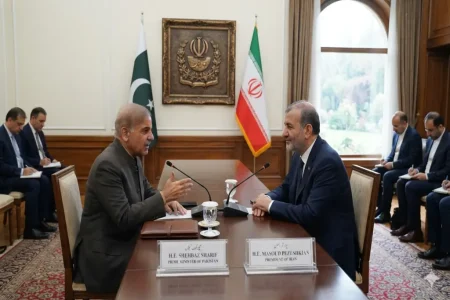


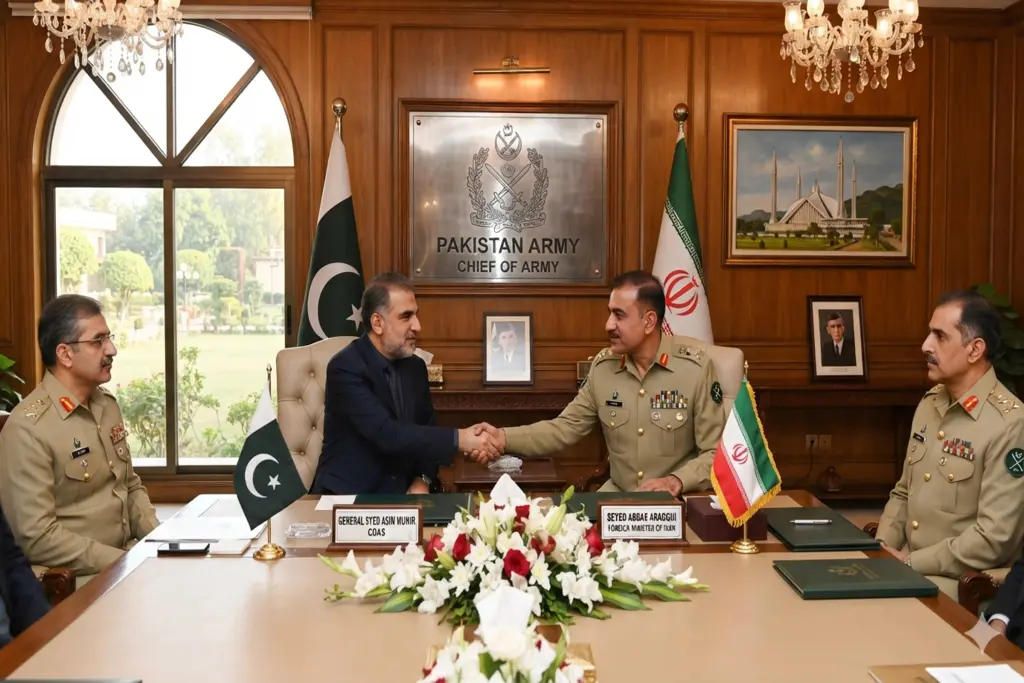
This year, the diplomacy between Islamabad and Tehran is moving fast. The region is still reeling from the aftershocks of the Iran-Israel-US conflict that began in early 2026, and Pakistan Army Chief Field Marshal Asim Munir and Iran’s Foreign Minister Abbas Araghchi have been in close contact again, a sign of how central Pakistan has become in efforts to prevent the region from plunging into open war once again.
Why This Meeting Is Important
For many Pakistanis, the talk of ‘regional tensions’ can seem a world away from everyday life. But Pakistan shares a long, sensitive border with Iran and any conflict on the other side has direct consequences here: fuel prices, trade routes and the safety of Pakistani citizens living or working across the border. That is why these repeated contacts between Munir and Araghchi are being closely followed not just by diplomats but by ordinary families in Balochistan and beyond.
A recurring pattern of contact
Asim Munir and Araghchi have met or spoken several times in recent months, in Tehran, in Islamabad and by phone, as Iran sought help from regional partners amid rising regional tensions after pressure from Washington and Tel Aviv. Pakistan has carved out a niche for itself as the only country that both Iran and the US trust to hold direct talks. This has boosted Islamabad’s profile but also its responsibilities.
What Pakistan Gains and What It Risks Losing
•Closer coordination with Iran on border security that directly impacts trade and smuggling control in Balochistan.
•A stronger diplomatic position of Pakistan at the world stage.
•Regional instability continues to strain the economy and create uncertainty for Pakistani consumers regarding energy prices.
•The risk of getting sucked into a conflict that is not Pakistan’s own if the mediation attempts fail.
What this means for the average Pakistani
Watch fuel and LPG prices, which tend to respond quickly to news from the Gulf and Iran.
Follow the updates from the Foreign Office of Pakistan, not the social media rumours.
“Those trading through the Iran border should be alert for any sudden security advisories.
Families of those working near the Pakistan-Iran border should keep in touch with the local administration channels.
Conclusion
That renewed contact between the army chief of Pakistan and foreign minister of Iran shows that Islamabad is playing a more important diplomatic role than many Pakistanis realise, which brings both opportunity and danger. In the meantime, the best way for citizens to get a sense of how these high-level meetings might play into their own everyday lives is to stay up to date through credible local news sources.