

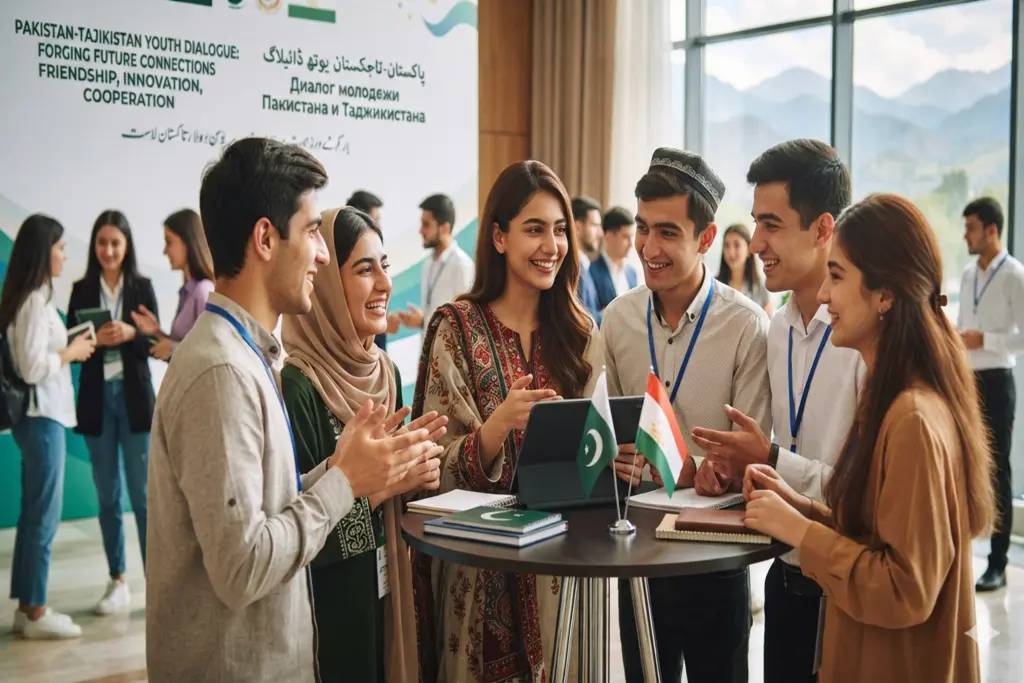
In a definitive move to strengthen trans-regional cooperation between Central and South Asia, Pakistan and Tajikistan are joining forces to economically and socially empower their younger generations. The two friendly nations have finalized the framework for a comprehensive Pakistan-Tajikistan youth development plan. This landmark partnership aims to unlock robust avenues for technical education, competitive athletic infrastructure, and job creation. To transition this vision into an active policy, the Government of Pakistan has formally sought approval from the Federal Cabinet to sign a milestone Memorandum of Understanding (MoU) between the Prime Minister’s Youth Programme (PMYP) and the State Committee for Youth Affairs and Sports of Tajikistan.
Legal Clearances and the MoU Implementation Framework
The structural layout and legal wording of the proposed cross-border accord have already successfully advanced through the necessary regulatory channels. Pakistan’s Ministry of Foreign Affairs (MoFA) has granted its institutional political clearance, verifying that the bilateral initiative perfectly aligns with the country’s “Central Asia Vision” foreign policy.
Concurrently, the Law and Justice Division vetted the text to ensure complete statutory compliance. Spearheaded by Rana Mashhood Ahmed Khan, Chairman of the Prime Minister’s Youth Programme, all clerical and diplomatic protocols have been fully executed. Upon receiving the final nod from the federal cabinet, the respective youth affairs ministers will officially sign the document, initiating immediate field operations.
Job Creation, Skill Upgradation, and Policy Leadership
The core blueprint of the Pakistan-Tajikistan youth development plan extends far beyond symbolic exchanges; it focuses on injecting market-driven, practical economic security into the lives of young citizens. The dual-nation concept ensures that the following structural improvements will take place, in accordance with the priorities of the National Youth Employment Policy of Pakistan:
Technical and Vocational Upskilling: Collaborative bootcamps and certification in emerging areas like Artificial Intelligence (AI), the digital economy and engineering specializations.
Youth Governance and Exchange: Conducting formal leadership exchange programmes that allow young decision makers to exchange ideas on public policy, civic engagement and grassroots governance.
B2B Internship Networks: Linking private businesses and business chambers in both countries to simplify international internships and cross border job placements.
Driving Public Bonds Through Strategic Sports Diplomacy
The second vital pillar of this cross-border integration relies heavily on robust sports diplomacy. Both Islamabad and Dushanbe recognize athletic collaboration as an ideal bridge to foster deep people-to-people connections.
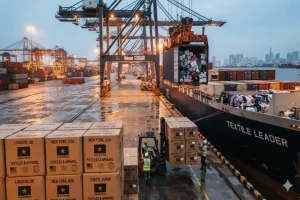
Under this treaty, sports boards will schedule series, friendlies, and joint training camps in mainstream sports like football, martial arts, wrestling, and volleyball. Building on prior historical soccer handshakes between the football federations of the two states, this athletic clause will systematically share regional sports infrastructure and coaching expertise. As Tajikistan utilizes Pakistan’s maritime ports of Karachi and Gwadar for its global trade supply chains, this youth and sports corridor safely cements a long-term human resource anchor for the entire region.
evelopment Plan: Sports & Jobs