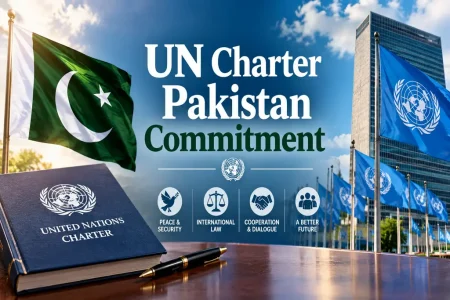


A major diplomatic intervention by Pakistan’s Permanent Representative to the United Nations (UN), Ambassador Asim Iftikhar Ahmad, on the issue of enhancing international law, securing stability in South Asian security architectures and stabilizing volatile cross-border military threats has urged the international community to put its resolutions into action in the context of the Jammu and Kashmir dispute.
The Foreign Policy Statement was made during a meeting of the UN Security Council held under the Arria Formula on Pakistan’s invitation. During the strategic session, Ambassador Ahmad emphasized the grave danger of the unending conflict with two nuclear-armed States to the peace of the world, especially in the backdrop of the many complex issues of mutual contention. He pointed to the lack of enforcement of international law on the territory as a major factor in creating a dangerous security vacuum that is directly impacting regional stability.
Pakistan's Permanent Representative to the #UN Asim Iftikhar Ahmad has called upon the int'l community, particularly the Security Council, to translate its own resolutions into meaningful action towards a just and peaceful settlement of Jammu and #Kashmir dispute@PakistanPR_UN… pic.twitter.com/8Tc26pGdox
— Radio Pakistan (@RadioPakistan) September 17, 2026
Evaluating Nuclear Geopolitical Risks and Global Institutional Credibility
The Pakistani envoy, in a special meeting with the core members of the council, explained a structural danger posed by the lack of progress in the South Asian diplomatic arena. He pointed out that the combination of the crisis in Indian Illegally Occupied Jammu and Kashmir (IIOJK) and the Occupied Palestinian Territories (OPT) is a long-term challenge to the rule of international law.
The strategic briefing centered on two primary security parameters:
The Nuclear Flashpoint Baseline: The continuous disregard for self-determination frameworks between two neighboring nuclear powers poses a direct risk of catastrophic military escalation.
The Erosion of UNSC Credibility: Allowing binding multilateral resolutions to remain unfulfilled for decades systematically undermines the operational integrity and credibility of the UN Security Council.
Parallels with Palestine and Demands for Universal Self-Determination
Ambassador Ahmad drew a direct correlation between the institutional struggles of the people in Kashmir and Palestine, exposing the dangerous international double standards that delay global conflict resolutions. He asserted that regional peace cannot be separated from the basic human dignity of occupied populations.
The official statement concluded with three definitive structural demands directed at international policy managers:
An Immediate End to Illegal Occupations: Foreign military occupations must be dismantled according to established human safety rules and UN charter dictates.
Restoration of Human Dignity and Freedom: Occupied populations must be enabled to live without territorial constraints, fear, or systemic human rights infractions.
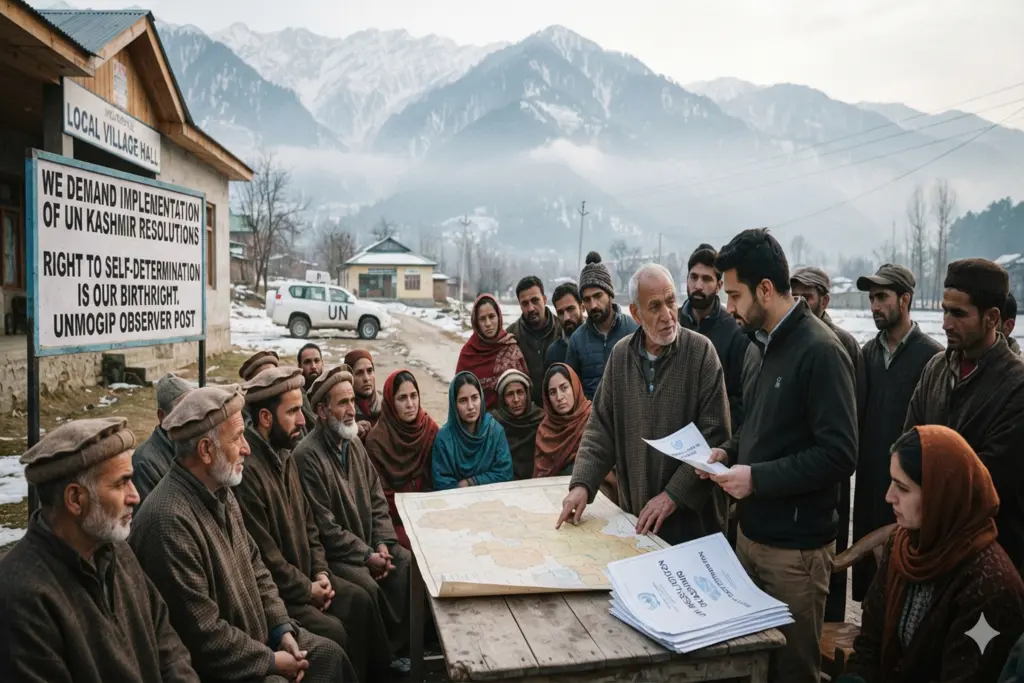
Execution of Plebiscite Controls: The UN must activate its automated, voter-backed plebiscite frameworks to let citizens exercise their non-negotiable right to self-determination and peacefully determine their political alignment.
Pakistan’s calculated stance at the Arria Formula meeting signals its long-term strategy to keep the Kashmir dispute at the forefront of global security considerations, challenging unilateral regional reconfigurations and building support for institutional accountability.