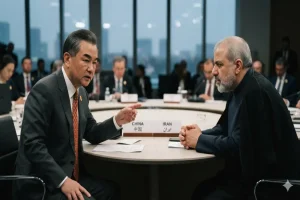


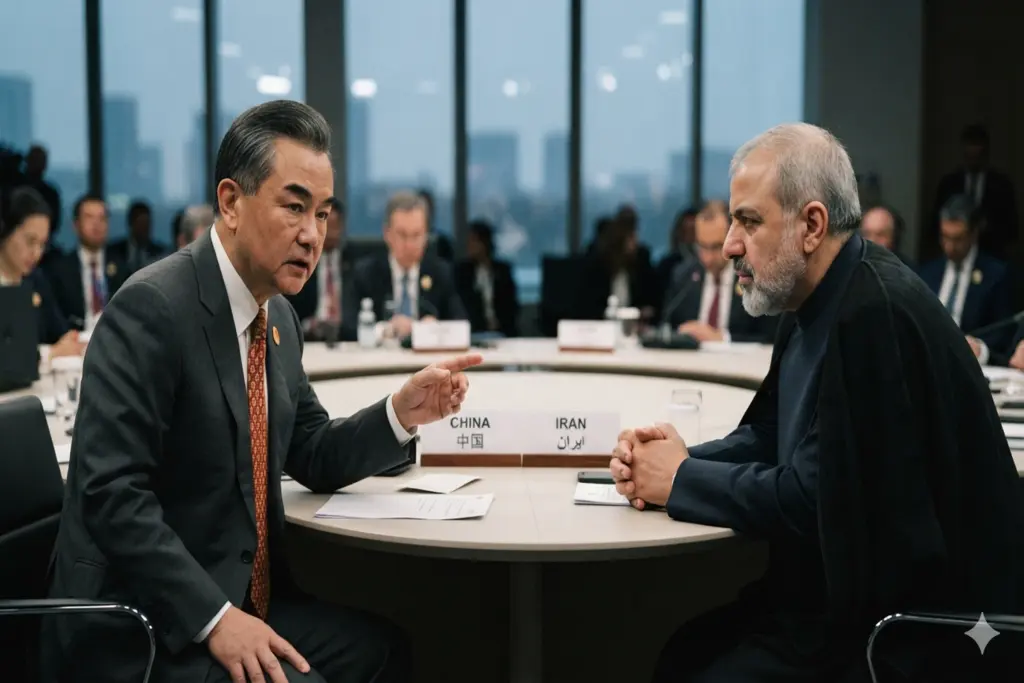
But for Pakistan and energy importers everywhere, one meeting in Beijing this week has turned heads. China’s foreign minister Wang Yi told his Iranian counterpart Abbas Araghchi that Beijing does not want the current tension between Iran and the West to spread further to Yemen and the Red Sea. For regular Pakistanis already grappling with fuel prices, this diplomatic ping-pong is about more than foreign policy. This is directly related to the price of petrol and LNG domestically.
Why Wang Yi’s Message to Araghchi Matters for Pakistan
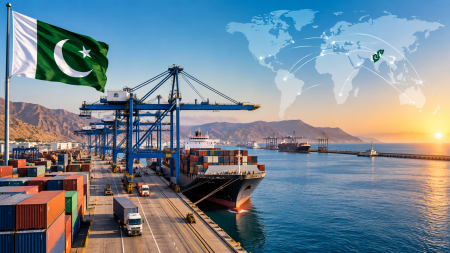
Wang Yi’s meeting with Araghchi was more than a courtesy. He called for the full reopening of the Strait of Hormuz, through which a large share of the world’s oil and gas passes. A considerable chunk of Pakistan’s LNG imports also come via this same corridor from the Gulf.
The Red Sea and the Yemen Angle
It is no accident that Wang mentioned Yemen and the Red Sea. Houthi attacks in these waters have already disrupted shipping routes for Pakistani exporters and importers.
•Ships bypass the Red Sea, shipping costs soar.
•Textile exporters face shipment delays.
•Gulf tensions cause fuel prices to rise.
What it means for the average Pakistani
Whenever tensions rise in the region, Pakistan feels it in the form of petrol pump prices and LNG shortages, as local reporting on the country’s energy strain recently confirmed.
Fast Check List for Households and Small Businesses
•Monitor OGRA notifications on petrol and LNG prices.
•Budget extra for transport costs in Gulf tensions.
•Exporters are advised to check shipping routes early with goods forwarders.
•Follow updates from Dawn and other reliable local sources.
Conclusion
Pakistani wallet, Middle East calm directly tied, Wang Yi’s message to Araghchi is a reminder . With Beijing urging calm and dialogue, Pakistani families and businesses should be alert to fuel price changes and adjust their plans accordingly, because peace in the Gulf means fewer surprises at the pump here at home.